
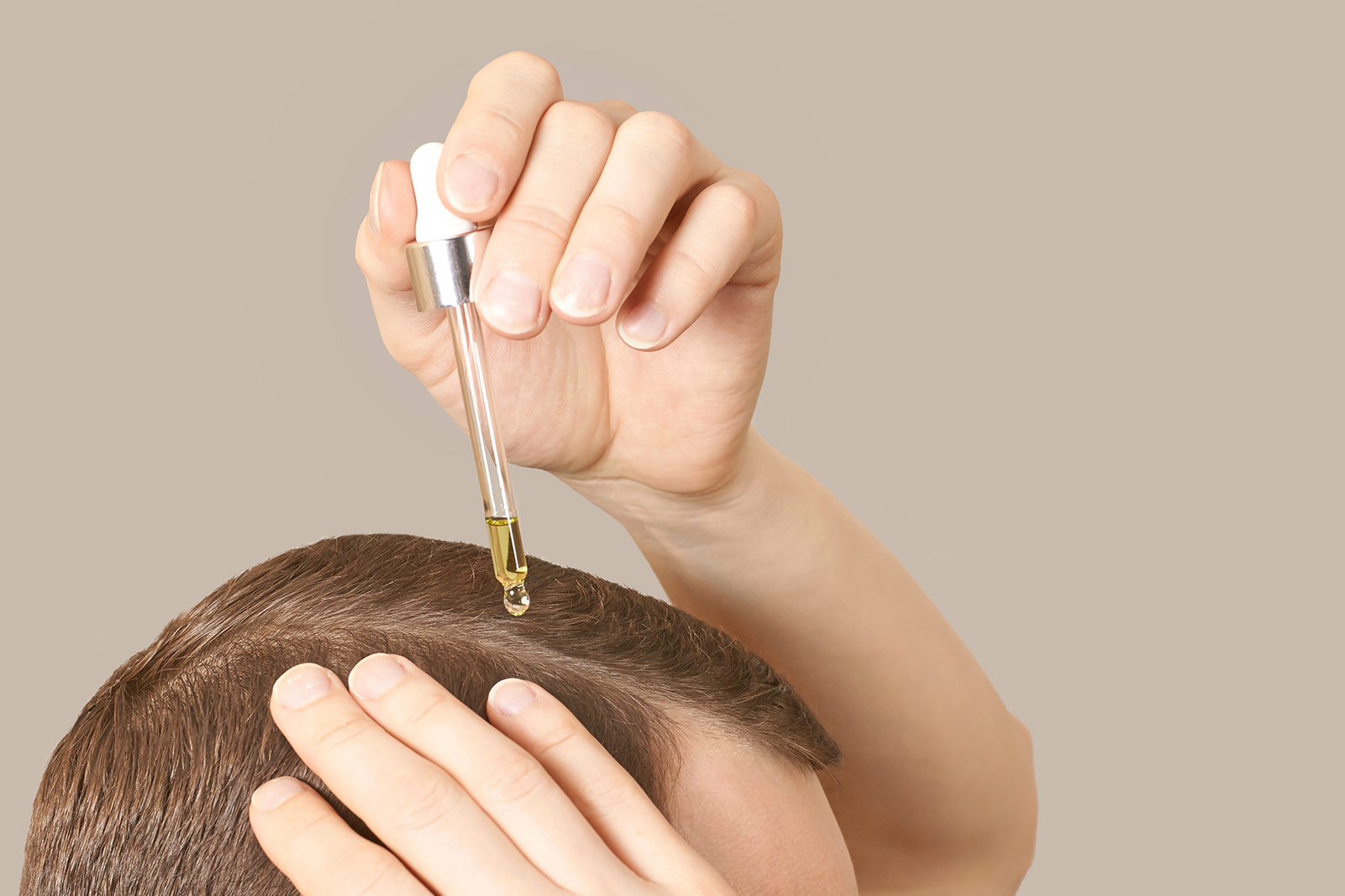
There is a comforting assumption a lot of people carry into a hair transplant: get the surgery, and you are done with the pills and the foam forever. You have solved the problem at the root, so why keep dabbing on minoxidil or swallowing a daily tablet? It is an understandable hope, and it is also the single most common misunderstanding we correct after surgery. The honest answer is that a transplant fixes where hair is, not why it was falling out.
So let us talk about it properly. What finasteride and minoxidil actually do, why they still matter after a transplant, who genuinely needs them and who might not, and how to think about the trade-offs without either the scaremongering or the hype. At Hairpol, this conversation happens with every patient, because the people who understand it protect their result for decades, while the people who assume surgery ended the story often watch their own hair quietly thin around it.
The thing a transplant does not fix
To understand the medication question, you have to be clear about what a hair transplant is and is not. Surgery relocates follicles from the permanent zone at the back and sides of your scalp, which are genetically resistant to the hormone that drives male pattern hair loss, into the thinning areas. Those transplanted follicles keep their resistant character, which is why the result is permanent.
But here is the catch that surprises people. The transplant does nothing to your native, non-transplanted hair, the original hair still growing in and around the areas you treated. That hair is still genetically susceptible to loss, and the process that thinned it in the first place is still running in the background. Surgery moved hair; it did not switch off your hair loss. This is the core reason the medication conversation does not end when the surgery does, and it is worth sitting with before you decide anything.
What finasteride actually does
Finasteride works on the cause of male pattern baldness rather than the symptom. Male pattern loss is driven largely by DHT, a hormone that gradually shrinks susceptible follicles until they stop producing visible hair. Finasteride reduces the amount of DHT your body produces, which slows or halts that shrinking process in the follicles that are still vulnerable.
What this means in practice is protection, not primarily regrowth. Finasteride is the tool that guards your remaining native hair from continuing to fall. For a transplant patient, that is exactly the point: the surgery restored density where you had lost it, and finasteride helps keep the surrounding original hair from thinning out and leaving your result stranded. Our deeper look at whether finasteride can improve hair transplant results walks through the evidence in more detail.
For a closer look at what a second session can realistically add, read our second hair transplant guide.
What minoxidil actually does
Minoxidil works differently and on a different part of the problem. Rather than acting on the hormone, it improves blood flow to the follicles and appears to prolong and strengthen the growth phase of the hair cycle. The result is that existing hairs can grow thicker, longer and healthier, and some miniaturized follicles can be coaxed back toward more visible growth.
For a transplant patient, minoxidil plays a supporting role. It can help the native hair around your grafts stay fuller and can support the overall health and thickness of the area. It does not attack the hormonal cause the way finasteride does, which is why the two are often used together rather than as either-or choices. If you want the specifics on timing it around surgery, our guide on when to start minoxidil after a transplant and how long to use it covers the practical schedule.
Why they matter more, not less, after surgery
Here is the counterintuitive truth: for many patients, the case for medication is stronger after a transplant than before it. The reason is a scenario we work hard to prevent, and it is entirely about the native hair. Imagine you transplant the hairline and front, and it looks excellent. Then, over the next few years, the untreated native hair behind and around the grafts continues to thin because the underlying loss was never addressed.
The outcome is a patchy, unnatural look: a restored front with a thinning zone opening up behind it, or gaps appearing between grafts where original hair used to fill in. This is one of the most common ways a technically good transplant ends up looking disappointing over time, and it has nothing to do with the surgery itself. Medication is what keeps that background loss in check so your result stays coherent. Ignoring it does not undo the transplant, but it can leave your new hair sitting in an increasingly bare landscape.
Do you still need them? It depends on your hair
The honest answer to whether you still need finasteride and minoxidil is that it depends on how much native hair you have to protect and how active your loss is. For a younger patient with early, aggressive loss and a lot of vulnerable native hair still on the scalp, medication is often strongly advised, because there is a great deal to lose and the process is moving fast.
For an older patient who has already lost most of their native hair and had a transplant into a largely bald area, the calculus is different. If there is very little susceptible native hair left to protect, the argument for lifelong medication weakens, because the main thing the drugs guard is already gone. This is exactly why there is no universal yes or no. The right answer comes from an honest look at your specific pattern, your age, and how much of your visible hair is transplanted versus native.
The realistic view on side effects
No honest discussion of finasteride skips side effects, because they are the reason many people hesitate. A minority of men report sexual side effects such as reduced libido or erectile difficulty. For most who experience them these resolve on stopping the medication, and many men take finasteride for years with no issues at all, but the concern is real and deserves a straight answer rather than dismissal.
The sensible approach is an informed one. This is a decision to make with a doctor who knows your history, weighing the genuine benefit of protecting your hair against the possibility of side effects that you can monitor and, if they occur, address by stopping. Minoxidil’s side effects are usually milder and local, such as scalp irritation or unwanted facial hair growth if it is applied carelessly. At Hairpol, we believe patients make better choices when they hear the honest picture, not a sales pitch in either direction.
Timing: when to use them around your transplant
Timing matters and is worth getting right rather than guessing. Many surgeons prefer patients who are already good candidates for finasteride to be on it before surgery, so their native hair is stabilized going in. After surgery, medication is usually paused briefly around the procedure and then resumed once the scalp has settled, on a schedule your clinic sets for you.
Minoxidil in particular is generally held off in the immediate aftermath, because applying it to a fresh, healing scalp can cause irritation, and it is reintroduced once the area has healed, typically after the early weeks. The important thing is not to improvise. The exact timing depends on your procedure and your healing, so follow the specific plan your clinic gives you rather than a generic online timeline. If you are unsure when to restart either one, ask before you resume, not after.
Will stopping ruin my transplant?
This is the fear that drives a lot of anxious questions, so let us be clear. Stopping finasteride or minoxidil will not make your transplanted hair fall out. Those grafts came from the resistant zone and keep their character regardless of whether you take medication. In that narrow sense, your transplant is safe with or without the pills.
What stopping does affect is your native hair. Come off finasteride and the DHT-driven thinning of your susceptible original hair can resume, sometimes noticeably, over the following months. So the honest framing is not that stopping ruins the transplant, but that it removes the protection around it, which can gradually make a good result look worse as the surrounding hair recedes. Whether that trade-off matters to you depends entirely on how much native hair you have in play, which brings the whole decision back to your individual situation.
Medication versus more surgery down the line
There is a practical, long-game reason to take the medication question seriously: it can reduce your need for further surgery later. If your native hair keeps thinning unchecked, you may find yourself wanting a second transplant in a few years to fill the new gaps, drawing further on your finite donor supply. Protecting your existing hair with medication can slow or prevent that, keeping your donor reserves intact for the future.
In other words, the pills and the foam are not just about the hair you can see today; they are about preserving your options. Our comparison of hair transplant versus PRP versus medication lays out how these tools fit together across a full treatment plan rather than as rivals. For many patients the smartest strategy is not surgery instead of medication, but surgery plus the maintenance that keeps the whole result durable.
Where treatments and support therapies fit
Finasteride and minoxidil are the backbone, but they are not the only tools. Supporting therapies such as PRP and mesotherapy are sometimes used alongside them to improve scalp health and support the strength of existing and transplanted hair. These are complements, not replacements: they do not switch off the hormonal cause the way finasteride does, but they can add to the overall condition of the area.
If you are interested in a layered approach, our hair treatments bring these supportive options together, and the right combination depends on your goals and your hair. The point is that maintaining a transplant result is not a single pill or a single decision; it is a small, sustainable routine tailored to how much hair you are protecting and how active your loss is. Thinking of it as an ongoing plan rather than a one-off fix is what keeps results looking good for the long haul.
The younger patient and the long horizon
Age changes this conversation more than almost anything else. A man in his twenties or early thirties who has a transplant is, statistically, at the start of a long loss trajectory. He has decades of potential thinning ahead and usually a lot of native hair still on the scalp that the underlying process has not yet claimed. For him, skipping medication is a gamble that the future will be kinder than the past, which the biology rarely supports.
This is exactly why we tend to have the most detailed medication conversation with younger patients. The surgery addresses the hair he has lost so far, but it does nothing about the loss still to come, and without maintenance he can find himself chasing that loss with repeat procedures every few years. Framing finasteride and minoxidil as the tools that stabilize the trajectory, rather than as an optional extra, tends to change how a younger patient thinks about the decision. The earlier the loss started, the stronger the argument for protecting what remains.
Managing expectations about what maintenance can and cannot do
It is worth being clear-eyed about what these drugs realistically achieve, because both over-promising and dismissing them cause problems. Medication is very good at holding a line, slowing or halting loss and keeping existing hair healthier, and it is far less reliable as a way to dramatically regrow hair that has already gone. Expecting finasteride to reverse years of loss usually leads to disappointment; expecting it to preserve what you have is realistic.
That distinction matters for a transplant patient because your surgery already handled the restoration part. The job left for medication is protection, and protection is precisely what these drugs do best. Seen through that lens, the question is not whether the pills will regrow a full head of hair, but whether keeping your native hair stable is worth a small daily routine and a manageable risk of side effects. For most people with hair to protect, that trade is a sensible one, but it should be a decision made with clear expectations rather than magical thinking.
Consistency is where results are won or lost
Whatever you and your doctor decide, the effectiveness of medication depends almost entirely on consistency. These are not treatments you take when you remember or during a scare and abandon when things look stable. Their benefit accumulates from steady, daily use over years, and it fades within months of stopping. Half-hearted, on-and-off use tends to deliver the side-effect risk without the full protective payoff, which is the worst of both worlds.
This is where a lot of good intentions quietly fail. People start enthusiastically after surgery, then drift once the result looks great and the daily routine feels pointless, not realizing that the reason it looks great is partly the medication doing its job. If you commit to maintenance, commit to it as a genuine long-term habit or discuss stopping properly with your clinic rather than letting it lapse by accident. At Hairpol, we would rather help you build a routine you will actually keep than see you take medication in a way too inconsistent to help.
Making the decision that fits you
So, do you still need finasteride and minoxidil after a transplant? For most patients with meaningful native hair still to protect, especially younger men with active loss, the honest answer is that continuing them is what keeps the result looking natural over the years rather than slowly unraveling. For patients with little native hair left to lose, the case is weaker, and it is reasonable to discuss whether the maintenance is worth it for you.
The wrong approach is to assume surgery ended your hair loss, because it did not, or to blindly take medication forever without understanding why. The right approach is a candid conversation about your specific pattern, your age, your tolerance for the trade-offs, and your goals. That is the conversation we have with every Hairpol patient, because a transplant is one chapter of a longer story, and the maintenance is how you keep the ending you paid for. There is no single correct answer that applies to everyone, only the answer that fits the hair you actually have and the life you actually lead.
At Hairpol, we would rather give you the honest, individualized picture of medication after your transplant than a one-size answer that ignores your actual hair. If you are considering surgery or already navigating aftercare and wondering what maintenance truly makes sense for you, reach out to our team. Explore our approach to hair transplantation, where protecting your result over the long term is treated as part of the plan from the very start.
Frequently Asked Questions (FAQ)
Do I still need finasteride and minoxidil after a hair transplant?
Usually yes, if you have meaningful native hair left to protect, because a transplant does not stop the hair loss that thinned your original hair. Medication guards that native hair. Patients with little susceptible hair remaining have a weaker case for lifelong use.
Why does a transplant not stop my hair loss?
A transplant relocates loss-resistant follicles into thinning areas, so those grafts are permanent. But it does nothing to your native, non-transplanted hair, which stays genetically susceptible. The underlying process that caused your loss keeps running, which is why maintenance still matters.
What is the difference between finasteride and minoxidil?
Finasteride reduces DHT, the hormone that drives male pattern loss, so it protects susceptible native hair from thinning. Minoxidil improves blood flow and prolongs the growth phase, helping existing hair grow thicker and healthier. They work on different parts of the problem and are often combined.
Will stopping the medication make my transplanted hair fall out?
No. Transplanted grafts come from the resistant zone and keep their character with or without medication. Stopping affects your native hair instead: DHT-driven thinning of your original hair can resume, which can gradually make a good result look worse as the surrounding hair recedes.
Who might not need medication after a transplant?
An older patient who has already lost most of their native hair and had a transplant into a largely bald area has little susceptible hair left to protect, so the case for lifelong medication is weaker. The decision depends on your pattern, age, and how much visible hair is native versus transplanted.
Are the side effects of finasteride a real concern?
A minority of men report sexual side effects such as reduced libido, which usually resolve on stopping, while many take it for years without issues. The sensible approach is an informed decision with a doctor who knows your history, weighing the benefit against monitorable risks.
When should I start medication around my transplant?
Many surgeons prefer suitable candidates to be on finasteride before surgery to stabilize native hair. Both drugs are usually paused briefly around the procedure, and minoxidil in particular is held off until the scalp heals. Follow your clinic's specific timing rather than a generic schedule.
Can medication reduce my need for a second transplant?
Yes. If native hair keeps thinning unchecked, you may want another transplant later to fill new gaps, using more of your finite donor supply. Protecting existing hair with medication can slow or prevent that, preserving your donor reserves and keeping the result durable.
Find this helpful? Add Hairpol as a preferred source on Google.
Get a Free Consultation
Answer a few questions and the medical team will review your situation.
