

Hair Transplantation

hair transplant banner

Hair Transplantation
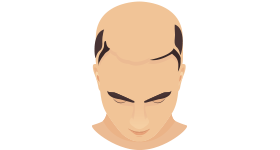
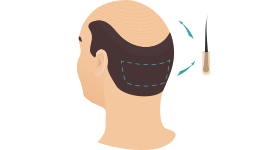
Hair loss can feel frustrating because it isn’t just “less hair” — it can change how you see yourself in photos, in meetings, and in everyday life. Today, a modern hair transplant (most commonly FUE and DHI) remains the most reliable way to restore hair in areas where follicles have permanently weakened. The key is understanding what the procedure can (and cannot) do, how to choose the right method, and what realistic healing and growth actually look like.

On this page, we explain how hair transplantation works, the main techniques used today, what determines natural-looking results, how many grafts may be needed, and what you should know about recovery, risks, and long-term planning.

Quick takeaways

  • Hair transplantation is relocation: follicles are moved from a resistant donor zone to thinning areas.
  • Most procedures are done under local anesthesia and typically take 4–8 hours depending on graft count.
  • Natural outcomes depend on hairline design, angle/direction, and graft placement strategy.
  • Initial recovery is short: many people return to light routines within 3–7 days.
  • Visible growth is gradual; final results are usually assessed around 12 months.

What Is a Hair Transplant?

A hair transplant does not “create” brand-new hair. It is a follicle relocation procedure. Follicles are extracted from the donor area (usually the back and sides of the scalp, where hair is more resistant to typical pattern loss) and then implanted into thinning or bald regions.

Because donor hair keeps many of its original characteristics after relocation, the transplanted follicles can continue to grow long-term. That said, a transplant is not a shortcut around biology: the quality of the donor area, the pattern of loss, and proper planning are what make the result look dense and believable.

Hair Transplant Before and After Results

The goal isn’t just “more hair.” The goal is hair that looks like it was always yours. Natural-looking before and after transformations usually come down to a few details that are easy to underestimate:

  • Hairline design that matches your face shape and age (not an overly straight, artificial line).
  • Single-hair grafts placed strategically at the front for softness and realism.
  • Correct implantation angle and direction to follow your natural flow.
  • Balanced density planning so the result looks full in real life, not only in close-up photos.

If you’d like to review expected outcomes for your specific pattern of loss, you can request a consultation and share clear photos of your hairline, mid-scalp, crown, and donor area.

Why Pattern Hair Loss Happens

The most common reason people seek a transplant is androgenetic alopecia (male or female pattern hair loss). Over time, some follicles become genetically sensitive to hormones such as DHT. These follicles gradually miniaturize — each growth cycle becomes shorter, and the hair shafts become finer until they stop producing visible hair.

What this means in practice

  1. Hair loss typically starts in specific zones (hairline/temples and crown in men; diffuse thinning in women).
  2. Once a follicle is fully miniaturized, medications may slow progression, but regrowth is limited.
  3. A transplant works best when your loss pattern and future risk are understood and planned for.

How Hair Implantation Works

Every transplant has two essential parts: extraction from the donor zone and implantation into the recipient area. The process succeeds when follicles are handled gently, kept viable, and placed with a plan that respects natural anatomy.

  • Extraction: Follicular units (often 1–4 hairs) are removed individually using micro-punch tools in FUE-based techniques.
  • Preparation & sorting: Grafts are inspected and organized so the right type (single vs multi-hair) is placed in the right location.
  • Implantation: Follicles are placed at controlled depth, angle, and direction to recreate a natural pattern.

Are Hair Transplant Results Permanent?

Transplanted follicles are typically taken from a more resistant donor zone, which is why results are considered long-lasting. However, it’s important to understand the difference between transplanted hair and native hair:

  • Transplanted hair is expected to remain stable long-term.
  • Native (non-transplanted) hair can continue thinning if pattern loss progresses.

This is why good planning matters: a transplant should look natural not only now, but also as your hair changes over the years.

Hair Transplant Methods

Most modern procedures today are built around the FUE concept, but the implantation approach can differ. Here are the main methods patients commonly consider:

FUE (Follicular Unit Extraction)

In FUE, follicular units are extracted individually from the donor area with micro-punch tools, then implanted into thinning zones. This method is widely used for larger sessions and broad coverage.

DHI (Direct Hair Implantation)

DHI is an implantation approach where grafts are placed using specialized implanter pens. This can allow very precise control over angle, depth, and direction — often preferred for detailed work like the hairline and high-visibility areas.

Hybrid planning

In some cases, a plan may combine approaches to match different needs across the scalp — for example, optimizing coverage in one zone and detail work in another. The best choice depends on your donor strength, hair characteristics, and the size of the area to restore.

Explore related procedures:

FUE Hair Transplant ·
DHI Hair Transplant

How Many Grafts Do You Need?

Graft planning is one of the biggest factors in a satisfying result. A “graft” is a follicular unit that can contain multiple hairs. The right number depends on the size of the area, your hair thickness, and the density goal.

Hair Loss PatternTypical GoalCommon Graft Range
Early recession (temples / hairline)Refine and rebuild the frontal frame1,000 – 2,500
Moderate loss (front + mid-scalp)Restore a fuller, natural look2,500 – 4,000
Advanced loss (front + crown)Balanced coverage across larger areas4,000 – 6,000+

The most accurate graft estimate is made after evaluating donor density, scalp characteristics, and your long-term hair loss risk.

Recovery Timeline

Healing is usually faster than people expect, but hair growth is slower than people hope — and that’s normal. Here is a realistic overview:

  • Days 1–3: Mild swelling/tightness can occur; rest and follow aftercare instructions.
  • Days 4–10: Scabs gradually shed; redness reduces over time.
  • Weeks 2–6: “Shock loss” may happen — transplanted hairs can shed while follicles stay intact.
  • Months 3–4: New growth begins for many patients.
  • Months 6–9: Noticeable density improvement.
  • Month 12: Results are typically assessed as “final” (texture can continue to refine beyond this).

Who Is a Good Candidate?

Many people with pattern hair loss are suitable candidates, but not everyone should rush into surgery. You may be a stronger candidate if:

  • Your hair loss pattern is clear and reasonably predictable.
  • You have a healthy donor area with enough stable follicles.
  • You have realistic expectations about density and time to results.

You may need extra evaluation if you have active scalp inflammation, uncontrolled shedding, certain scarring conditions, or if your hair loss is progressing very rapidly.

Risks and Safety

Hair transplantation is considered a low-risk procedure when performed with proper hygiene, experienced planning, and correct technique. Still, every medical procedure has potential downsides. Common temporary issues may include:

  • Redness, itching, or sensitivity during early healing
  • Swelling in the first days (varies by person)
  • Uneven growth timing (normal during months 3–9)
  • Unnatural appearance if hairline design or angles are poorly planned (avoidable with proper expertise)

The best way to reduce risk is to choose a clinic that prioritizes medical oversight, careful graft handling, and individualized design — not speed or volume.

Step-by-Step: How the Procedure Typically Works

  1. Consultation & planning: hair loss assessment, donor evaluation, and design.
  2. Preparation: cleaning, local anesthesia, and donor setup.
  3. Extraction: follicular units are harvested carefully from the donor zone.
  4. Graft organization: grafts are inspected and prepared for placement strategy.
  5. Implantation: follicles are placed according to angle, direction, and density plan.
  6. Aftercare guidance: washing routine, sleeping position, activity limits, and follow-ups.

Hair Transplant Process

the main stages of the procedure

Before the Operation

before hair icon

Before starting the hair transplant operation at hairpol, every patient goes through a preparation stage. It usually consists of a consultation and preliminary preparation.

Consultation

Preparation for hair transplant surgery begins with a consultation at the Hairpol clinic. To obtain complete information about the state of the patient’s health, the doctor conducts not only an external examination, but also performs all the necessary tests. As a rule, before the transplant procedure, the patient takes a blood test in clinic.

At the consultation, the surgeon can identify patient’s hair loss stage, the condition of nape donor area and number of the grafts to be transplanted. Based on all the obtained data, the doctor selects an the effective hair transplant method. Also, in preparation for a hair transplant, the doctor provides recommendations that the patient must follow within the time frame established before the surgery.

During the first visit to the Hairpol clinic, the doctor will necessarily examine not only the area for future transplantation, but also the donor area. Before starting the operation, it is important to assess the amount of donor material and the possibility of extracting it. After making a diagnosis and determining the number of grafts to be transplanted, the doctor begins to form a new hairline.

Also, at the first consultation, the patient is provided with a preliminary estimate of future costs. It is calculated depending on the chosen technique of the transplant, the number of transplanted grafts (hair follicles) and additional procedures (if necessary).

For patients living abroad, wishing to get treatment for hair loss at the Harpol clinic, a remote consultation service is provided. In this case, the patient will send newest photos of the baldness zones so that the doctor can determine the degree of baldness and choose the right treatment. It should be remembered that this form of consultation is considered preliminary and estimated. Only a personal consultation is required for the final diagnosis and selection of a hair transplant method.

Preparation

After the doctor sets the date for the operation, the preparation stage begins. As a rule, the schedule of operations in the clinic is drawn up several months in advance. Before surgery, doctor will recommend limiting or excluding certain foods and medications. Also, the patient should inform the doctor about the presence of skin diseases, if any. The doctor always makes recommendations in advance, including for further rehabilitation, which can often include taking antibiotics and medications to relieve possible pain.

The patient should refrain from smoking and drinking alcohol about a week before the operation. The doctor may advise you to stop taking any medications that may adversely affect the course of the operation. Also, in accordance with the instructions of the doctor, it is necessary to adjust the usual diet or intake of vitamins.

A few days before the transplant, it is recommended to rest and sleep more, to refuse to perform active physical exercises.

On the day of surgery, the patient needs to wash hair and take a shower. As a rule, patients can have breakfast on the day of the operation in the usual way. 2 hours before the start of the operation, fluid and food intake must be stopped. When choosing clothes, one should give preference to one that is not removed over the head, which will minimize friction and discomfort for the scalp when using bandaging. The clothing itself should be comfortable.

Operation

operation hair first

This is the beginning of the hair transplant process. The operation is performed under local anesthesia or sedation in a comfortable environment and consists of two main stages

Grafts Extraction

After the assistants treat the donor area with antiseptics, the doctor will begin extracting the grafts. Hair in the back of the head and on the temples, as a rule, does not loss in male pattern baldness. Therefore, they become the main material for transplantation. It is not the hair shafts that are transplanted to a new place from the donor zone, but their follicles, in other words, the roots that later produce hair growth. They are located in the scalp at a depth of 3-4 mm.

The technique of extracting the follicles is determined by the method of the operation. With the FUE method, individual follicular units are extracted one by one without incisions and sutures. This method is considered to be gentler and low traumatic. After hair transplantation using the FUE method or its sub types, there are no scars and visible traces of the surgery, and healing is faster. Donor material is usually extracted from the patient’s temporal or occipital area. If these areas cannot be used, the doctor extracts the follicles from the beard or chest.

Next, the extracted grafts are sorted using micro tweezers and prepared for the next stage of transplantation. Sometimes the grafts are split into separate hairs. This is necessary for transplanting them to the front of the head, in the hairline zone.

Hair transplantation

The next stage of the operation is the hair transplant itself. The doctor places the follicles in the balding area. Usually, grafts are implanted into the skin using surgical micro tweezers into pre-formed canals. These channels are formed in advance with a special tool, a micro blade. With this tool, the doctor makes a puncture between the existing hairs at the same angle at which natural hair grows. This helps to achieve the most natural result. The number of channels depends on the number of grafts. On average, a doctor makes about 2-3 thousand micro punctures. Then the grafts are transplanted manually using micro tweezers. There is another transplant method using the Choi instrument. With this method, hair transplant is performed in one touch without preliminary micro punctures.

The main task of the operation is not to recreate the lost amount of hair with mathematical precision, but to create a natural looking and sufficient volume of hair. If the resource of the donor zone allows, the hair transplant operation can be performed several times.

Usually, the entire hair transplant procedure takes 4-8 hours depending on the size of the transplanted area. If the area of baldness is significant, then the patient may need 2-3 operations with an interval of at least a year.

The patient is conscious throughout the entire operation. During prolonged surgery, the doctor and assistants take short breaks so that the patient can rest and stretch.

After the Operations

after hair icon

Modern hair transplant methods are comfortable and therefore do not require long rehabilitation. However, some points are still worth considering. .

Postoperative period

The transplanted follicles after surgery are not fixed with a special bandage. They are held in the scalp by natural “glue”, called a fibrin. However, We do not use or recommend the use of a pressure bandage applied under the implantation area to prevent facial swelling, as it can negatively affect blood circulation and therefore the blood supply to the transplanted area. Bandages are only applied to the donor area and are removed during the first post-operative care session (on the 1st or 2nd day after the operation). The patient can remove this bandage the very next day after the operation. The FUE method is comfortable and most often has no possible complications. However, each organism can react differently, so your doctor may prescribe a mild pain reliever if needed. 

The second day after the operation, the patient must visit the clinic again. There, the doctor will conduct an examination and prescribe additional procedures (plasma or laser therapy) to speed up healing. The doctor will give the necessary recommendations on how to care for the transplanted hair in the following days. The success of the operation ultimately depends on proper care. In addition, the clinic staff will tell you how to properly care for your hair and teach you how to wash it. The patient will also receive a set of special cosmetics for scalp care, which will speed up healing. 

The patient can return to his usual way of life on the second day after the operation. 

Post-operative care

After a hair transplant, the patient should take very care in providing hair care. For 15 days after the operation, it is necessary to carry out daily care as taught in the clinic. In the first two weeks after the operation, it is prohibited to exert any strong mechanical effect on the transplanted hair due to the risk of an infectious process and the fact that the hair is still susceptible to easy loss from the canals. Also, in the first week after the operation, the patient should refrain from any physical activity (sports, carrying weights, sex, etc.) that can cause sweating. This will reduce the risk of inflammation and speed up the scalp healing process. Also, during this time, alcohol is not recommended, as this can cause additional swelling. Usually, after 3-5 days, the red dots on the transplanted area heal and disappear. The donor area heals in about 5-7 days.

Hair will begin to grow 2-3 months after surgery. With transplantation using modern methods, the percentage of hair survival is about 97-98%. The doctor and the patient will be able to evaluate the final result about 9-12 months after the operation. The transplanted hair of the patients has a natural and healthy appearance. The result of the transplant will depend on the correct post-operative care and the patient’s compliance with all recommendations.

Frequently Asked Questions (FAQ)

How long does a hair transplant take to heal?

Initial healing is usually quick: most scabs shed within 7–10 days, and redness gradually fades after that (timing varies by skin type). The scalp can feel sensitive or itchy early on. Full cosmetic “normal” appearance often improves week by week during the first month.

When do you see hair transplant results?

Hair transplant results are gradual. Many people see early growth around months 3–4, stronger changes by months 6–9, and a more complete result around month 12. Texture and thickness can continue improving beyond a year, especially in slower-growing areas.

Does a hair transplant hurt?

The procedure is done with local anesthesia, so pain during surgery is typically minimal. Afterward, most people describe mild soreness or tightness for a few days. Discomfort is usually manageable with simple medication and proper aftercare, especially during the first 48–72 hours.

What’s the difference between FUE and DHI hair transplant?

FUE describes how follicles are extracted individually from the donor area. DHI describes how grafts are implanted using an implanter pen for controlled placement. Both can produce natural results—choosing depends on the size of the area, donor quality, density goals, and whether shaving is a concern.

Is a hair transplant permanent, or can hair fall out again?

Transplanted hair is generally long-lasting because donor follicles are typically more resistant to pattern hair loss. However, non-transplanted (native) hair can continue thinning over time. That’s why long-term planning matters—your transplant should look natural not only now, but also as hair loss progresses.

What is shock loss after a hair transplant?

Shock loss is temporary shedding that can happen after surgery. The follicles remain in place, but the hairs can shed as the scalp enters a resting phase. It usually resolves as new growth starts in the following months. Not everyone experiences it, and the intensity varies.

How many grafts do I need for a hair transplant?

Graft count depends on the size of the thinning area, hair thickness, curl pattern, color contrast, and your density expectations. Hairline work may require fewer grafts than full front-to-crown restoration. A proper donor assessment is essential to estimate a safe graft range and avoid over-harvesting.

Can you wear a hat after a hair transplant?

Many patients can wear a loose, clean hat after the early healing phase, but timing depends on scab stability and your aftercare plan. The priority is avoiding friction and pressure on the grafts. If a hat is needed for work or travel, it should be discussed in advance.

When can I wash my hair after a hair transplant?

Washing usually starts early with a gentle routine and specific instructions. The key is avoiding direct rubbing and strong water pressure at first. As days pass and scabs soften, washing becomes easier. Following the recommended method helps protect grafts and improves comfort during healing.

Are hair transplants safe? What are the risks?

Hair transplantation is widely performed and generally considered low risk when done with proper medical standards and aftercare. Temporary redness, swelling, itching, and sensitivity can occur. The most avoidable “risk” is an unnatural look, which comes from poor planning of hairline design, angles, and density.

What Is a Hair Transplant and Who Is It For?

A hair transplant is a surgical procedure in which healthy hair follicles are moved from a donor area — usually the back and sides of the scalp, where hair is genetically more resistant to shedding — to areas affected by thinning or baldness. Because the transplanted follicles keep the characteristics of the donor zone, they generally continue to grow in their new location. It is worth stating clearly: this is real surgery performed under local anesthesia, and results depend on careful planning, surgical skill and your own biology.

Candidates typically include men with androgenetic alopecia (male pattern hair loss), women with certain types of thinning, and people who want to restore density in the beard or eyebrows. At Hairpol in Istanbul we also work with patients who have afro-textured hair, which requires specific experience because of the curved structure of the follicle beneath the skin.

Good candidates usually share a few characteristics:

  • Hair loss that has stabilized or is progressing predictably, so the design can account for future shedding
  • A donor area with sufficient density and quality to cover the planned zone
  • Realistic expectations about density — a transplant redistributes hair, it does not create new follicles
  • General health that allows a minor surgical procedure under local anesthesia

Not everyone is an ideal candidate at every moment. Very early hair loss, active scalp conditions, certain autoimmune types of alopecia or a weak donor area may mean that medical treatment, PRP or simply waiting is the better first step. This is exactly why a proper medical evaluation — with photos, and ideally an in-person examination — should always come before any decision.

How a Hair Transplant Is Performed: Step by Step

Modern hair transplantation is carried out follicle by follicle. At Hairpol we use three main techniques: FUE (Follicular Unit Extraction), Sapphire FUE and DHI (Direct Hair Implantation). All three follow the same core logic — extract, prepare, implant — and differ mainly in how the grafts are placed.

Before the Operation

The process begins with a consultation. The surgeon evaluates your type and stage of hair loss, examines the donor area, discusses your goals and designs the hairline. Blood tests are done to confirm you are fit for the procedure. You will be asked to avoid alcohol and blood-thinning medication for a period before surgery, and smoking is discouraged because it can affect healing. For international patients this planning stage usually starts online, with photos and a video consultation, and is confirmed in person on arrival in Istanbul.

On the Day of Surgery

A typical session takes six to eight hours, depending on the number of grafts. The main steps are:

  • Anesthesia: the donor and recipient areas are numbed with local anesthetic. You remain awake and can take breaks, eat and use your phone.
  • Extraction: follicular units are removed one by one from the donor area with a fine micromotor punch. This is the FUE part of the process and leaves tiny dot marks rather than a linear scar.
  • Graft preparation: the extracted grafts are sorted and kept in a special solution to protect them until implantation.
  • Implantation: in classic FUE, small channels are opened with a blade and the grafts are placed into them. In Sapphire FUE, the channels are opened with a sapphire blade, which allows finer, more precise incisions. In DHI hair transplant procedures, grafts are loaded into a pen-shaped implanter and placed directly into the skin without pre-made channels, giving the surgeon close control over angle, depth and direction.

After the Operation

The donor area is bandaged and you receive detailed aftercare instructions covering sleeping position, medication and what to avoid. The first wash is usually performed at the clinic a day or two later, so you can learn the correct technique. Most patients describe the following days as uncomfortable rather than painful, with swelling and tightness that settles within a week. Scabs around the grafts typically shed within ten to fifteen days.

Advantages and Honest Limitations

Follicular techniques such as FUE, Sapphire FUE and DHI have clear advantages over older methods: no linear scar, faster healing of the donor area, natural-looking results when the hairline is designed well, and the ability to work on beard and eyebrow areas as well as the scalp. Because the transplanted follicles come from a zone that is genetically resistant to hair loss, the results are generally long-lasting in most patients.

But an honest clinic should also explain the limits:

  • Donor supply is finite. The number of grafts that can be safely taken is limited by your donor density. Overharvesting damages the donor area permanently, so a responsible surgeon plans for the long term rather than promising maximum grafts in one session.
  • A transplant does not stop ongoing hair loss. Native hair around the transplanted grafts can continue to thin. Many patients combine surgery with medical treatment or supportive therapies such as PRP to protect existing hair; this is a decision to make with your doctor.
  • Results take time. Transplanted hairs usually shed in the first weeks (shock loss) before regrowing. Meaningful results appear over months, not days.
  • There are surgical risks. As with any procedure, infection, prolonged redness, temporary numbness, folliculitis or uneven growth can occur. These are uncommon when the procedure is performed properly and aftercare is followed, but no clinic can honestly call the operation risk-free.
  • Outcomes vary from person to person. Hair caliber, skin characteristics, healing capacity and the cause of hair loss all influence the final result. Beware of anyone who promises a specific outcome before examining you.

Hair Transplant in Turkey: Why So Many Patients Choose Istanbul

Turkey has become one of the world's leading destinations for hair restoration, and Istanbul in particular hosts a dense ecosystem of surgeons, clinics and support services built around international patients. People searching for a hair transplant abroad tend to choose Turkey for a combination of reasons: experienced medical teams who perform these procedures at high volume, significantly lower costs than in Western Europe or North America, and a well-established routine for hosting foreign patients — from airport transfer to translation support.

Hairpol is a hair transplant clinic in Istanbul, located in Ataşehir on the Asian side of the city, and we work with patients from many countries in English, Turkish and German. For an international patient, the practical process usually looks like this:

  • Online evaluation: you send photos of your scalp from several angles, and we discuss your history and goals remotely. This produces a preliminary plan and a personalised quote.
  • Planning the trip: most patients stay in Istanbul for two to four days. The procedure itself takes one day; the first wash and check-up follow shortly after.
  • In-person confirmation: on arrival, the surgeon examines you, confirms or adjusts the plan and finalises the hairline design together with you. Nothing is fixed until you have been examined in person.
  • Surgery and first aftercare: the operation day, followed by the supervised first wash and detailed instructions for the weeks ahead.
  • Remote follow-up: after you return home, progress is monitored through photo updates, and you can reach the clinic with questions at any stage of healing.

Choosing an FUE hair transplant in Istanbul rather than at home does require some planning — you should factor in flight times, a few days away from work and the need to protect the grafts while travelling — but the process is well established, and the clinic guides you through each step.

What Determines Hair Transplant Cost

Cost is one of the most searched topics — "hair transplant cost" and "hair transplant Turkey cost" are questions almost every patient asks early on. The honest answer is that there is no single price, because the cost of a hair transplant depends on factors that differ from patient to patient:

  • The extent of hair loss and the number of grafts needed. Restoring a receded hairline is a different project from covering an extensive bald area.
  • The technique used. FUE, Sapphire FUE and DHI involve different instruments and session dynamics, which is reflected in pricing.
  • The area treated. Scalp, beard and eyebrow procedures each have their own requirements, and afro-textured hair or female hair transplants demand additional expertise.
  • What the package includes. Quotes in Turkey often cover the procedure, medication, aftercare products, hotel and transfers — always check exactly what is and is not included when comparing clinics.
  • Whether supportive treatments are added, such as PRP sessions or stem cell–based therapies, which some patients choose to support healing and hair quality.

One reason so many patients travel to Turkey is that these procedures generally cost considerably less than comparable treatment in Western Europe, the UK or the US — without this being a signal of lower quality, since the difference largely reflects local operating costs. That said, the cheapest offer is rarely the wisest criterion for surgery. The most reliable way to understand what your treatment would involve is to request a personal assessment: after reviewing your photos, we can tell you the recommended technique, the estimated graft range and a clear, personalised offer with no obligation.

Recovery and Results: A Realistic Timeline

A common source of disappointment is not a bad result but wrong expectations about timing: the visible outcome of a transplant unfolds over roughly a year. The table below shows a typical course — individual healing varies, and your own timeline may differ.

PeriodWhat Usually Happens
Days 1–3Mild swelling, redness and tightness; first supervised wash at the clinic; sleeping with the head elevated.
Days 4–15Scabs form around the grafts and gradually shed with gentle washing; redness fades; most patients return to desk work within a few days.
Weeks 3–8Shock loss: most transplanted hairs shed. This is a normal part of the cycle, not a sign of failure.
Months 3–4New growth begins as fine, soft hairs; the recipient area may look patchy at this stage.
Months 6–9Noticeable improvement in density; hairs thicken and mature; texture becomes more natural.
Months 12–18The result is generally considered final around the one-year mark; crown areas and some individuals may need up to eighteen months.

During the first weeks you will need to avoid heavy exercise, swimming, sauna and direct sun exposure for the periods your doctor specifies, and follow the washing routine carefully. These small disciplines have a real influence on graft survival.

How to Choose a Hair Transplant Clinic

If you are comparing options for the best hair transplant clinic in Turkey — or anywhere else — the deciding factors should be medical, not promotional. Points worth checking before you commit:

  • Who actually performs the procedure. Ask who does the extraction, who opens the channels or implants the grafts, and how the medical team is supervised.
  • Whether you receive a real evaluation. A trustworthy clinic asks about your medical history, examines your donor area and discusses suitability — it does not offer a fixed package to everyone before seeing a single photo.
  • Honesty about limits. Be cautious with anyone promising guaranteed results, unlimited grafts or a completely painless, risk-free procedure. Ethical clinics talk about probabilities and individual variation.
  • Hygiene and setting. The procedure should take place in a properly equipped, sterile environment that meets health regulations.
  • Aftercare and reachability. Recovery lasts months. Ask how follow-up works once you are back home and how quickly you can reach the medical team with a concern.
  • Communication in your language. You should fully understand the plan, the consent forms and the aftercare instructions. Hairpol serves patients in English, Turkish and German for exactly this reason.
  • Realistic before-and-after documentation. Consistent lighting and angles in result photos say a lot about how transparently a clinic presents its work.

Frequently Asked Questions

Is a hair transplant permanent?

Transplanted follicles are taken from areas genetically resistant to hair loss, so in most patients they continue to grow long term. However, native hair around them can keep thinning, and overall results vary from person to person. A long-term plan with your doctor helps protect and complement the result.

Does a hair transplant hurt?

The procedure is performed under local anesthesia, so the operation itself is generally well tolerated; the brief anesthetic injections are usually the most uncomfortable moment. Afterwards, most patients report tightness and mild soreness for a few days, which is normally manageable with the medication the clinic provides.

What is the difference between FUE, Sapphire FUE and DHI?

All three extract follicles individually. In classic FUE, grafts are placed into pre-opened channels; Sapphire FUE opens those channels with a sapphire blade for finer incisions; in DHI, an implanter pen places grafts directly without separate channel opening. Which technique suits you depends on your hair loss pattern, hair type and goals, and is decided during the medical evaluation.

How many grafts will I need?

It depends on the size of the area to be covered, your donor capacity and the density you are aiming for. A meaningful estimate can only be given after your photos or scalp have been examined; be sceptical of graft numbers quoted without any evaluation.

How long do I need to stay in Istanbul?

Most international patients stay two to four days: arrival and examination, the operation day, and the first wash and check-up. After that, healing continues at home with remote follow-up through photo updates.

When can I return to work after the procedure?

Many patients return to desk-based work within a few days, once swelling settles. Physically demanding jobs, heavy exercise and swimming require a longer break, which your doctor will specify based on your healing.

Will people notice I had a transplant?

In the first one to two weeks, scabbing and redness are visible, and shaved donor areas take time to grow out. After this early phase, and especially once new growth matures, a well-designed transplant should look like your own natural hair — because it is your own hair.

Can women have a hair transplant?

Yes. Female hair loss has different patterns and causes, so the evaluation is particularly important: some types of thinning respond better to medical treatment than surgery. Hairpol offers dedicated assessment and treatment planning for women, including unshaven approaches where appropriate.

Is it safe to have a hair transplant abroad?

It can be, provided you choose carefully. Turkey's leading clinics operate to high medical standards and host international patients routinely; the risks arise when patients choose purely on price without checking who performs the surgery and how aftercare is handled. Research the clinic, ask direct questions and make sure you receive a genuine medical evaluation before booking a flight.

What happens if I keep losing my native hair after the transplant?

Progressive loss around the transplanted area is possible, which is why the surgical design should anticipate future thinning. Depending on your situation, your doctor may discuss medical therapy, PRP or supportive stem cell–based treatments, and in some cases a further session years later.

Start With a Personal Evaluation

The most useful next step is not comparing packages online — it is finding out what is actually possible for your hair. If you are considering a hair transplant in Turkey, send us a few photos of your scalp and our medical team in Istanbul will assess your donor area, recommend a technique and prepare a personalised, no-obligation treatment plan. You can reach Hairpol by phone at +90 549 102 07 47, by e-mail at info@hairpol.com, or through the contact form on this page. We are happy to answer your questions in English, Turkish or German — with honest information, not pressure.

whatsapp button