Eyebrow Transplantation
What Is Eyebrow Transplantation and Who Is It For?
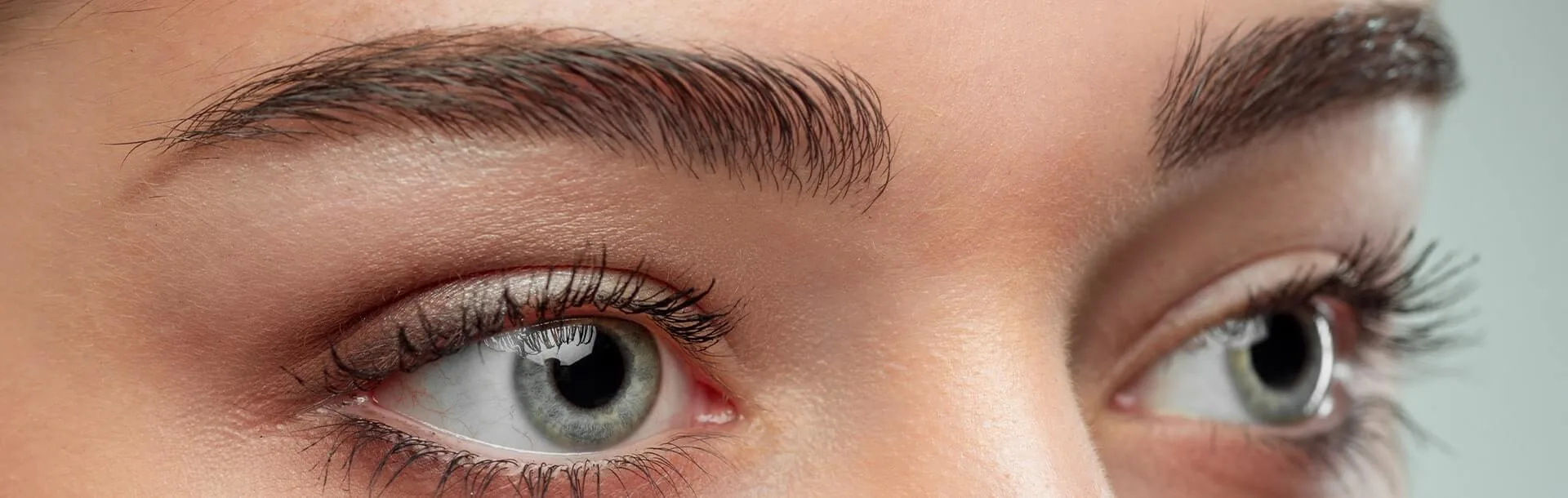
Eyebrow transplantation is a surgical procedure in which healthy hair follicles — usually taken from the back of the scalp — are transferred to the eyebrow area to restore density, redefine shape, or rebuild brows that have been lost entirely. The follicles continue to grow in their new location, so the result is living hair rather than pigment or makeup. Because the eyebrows frame the entire face, even a small change in density or symmetry alters a person's expression — which is why this procedure demands artistic precision beyond standard hair restoration.
People consider eyebrow transplantation for many reasons: naturally thin or sparse brows, hair lost through years of over-plucking that permanently damaged the follicles, scars from accidents, burns, or previous surgery, or thinning linked to medical conditions such as some forms of alopecia — in which case the underlying condition should be evaluated and stabilised before surgery is considered. Both women and men undergo the procedure; men often ask for a stronger, straighter brow line, while many female patients prefer a softer arch.
Good candidates generally have a healthy donor area at the back of the scalp, realistic expectations, and no active skin disease in the brow region. Suitability is never assumed: a physician reviews the cause of hair loss, donor quality, skin condition, and the patient's goals. If an ongoing condition is actively causing the loss, transplantation may need to be postponed or may not be appropriate — and an honest clinic will tell you so.
How Eyebrow Transplantation Is Performed — Step by Step
At Hairpol in Istanbul, eyebrow transplantation is carried out using follicular extraction methods — FUE (Follicular Unit Extraction) and DHI (Direct Hair Implantation) — the same core techniques used in modern scalp procedures such as fue hair transplant istanbul patients travel for, but adapted to the much finer requirements of the brow area.
Before the Procedure: Design and Planning
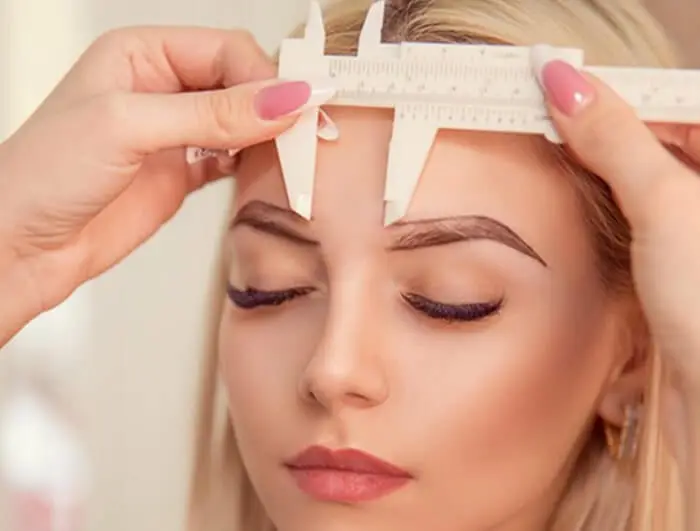
The most important phase happens before any follicle is touched. The surgeon and patient design the new brow shape together, taking into account facial proportions, existing hair direction, age, and personal preference; the design is drawn directly onto the skin and adjusted until the patient is satisfied. The number of grafts is then estimated — eyebrow cases require far fewer grafts than scalp procedures, but each one matters because every follicle is individually visible. Blood tests and a medical history review follow, and patients are usually advised to avoid blood-thinning medication, alcohol, and smoking for a period before surgery, according to the physician's instructions.
On the Day: Extraction and Implantation
The procedure is performed under local anaesthesia, so the patient is awake but the treated areas are numbed. Discomfort levels vary from person to person, but most patients tolerate the process well. In the first stage, individual follicular units are extracted one by one from the donor zone at the back of the head using a fine micromotor punch. Single-hair grafts with a fine calibre are preferred, because eyebrow hair is naturally thinner than scalp hair.
In the implantation stage, precision determines everything. Eyebrow hairs grow at a very flat angle — almost parallel to the skin — and change direction across the brow: upward near the nose, horizontally along the arch, and slightly downward at the tail. With the DHI technique, grafts are placed using a fine implanter pen that controls angle, direction, and depth in a single movement, which is particularly useful in the brow area. With classic or Sapphire FUE, tiny channels are opened first and the grafts are then positioned into them. Which approach suits a given patient is a medical decision made during the consultation. A typical eyebrow session takes a few hours and patients return to their accommodation the same day.
After the Procedure
Patients leave with clear aftercare instructions: how to sleep, how to wash the area, which products to avoid, and what sensations are normal. Small crusts form around each graft and shed within roughly the first week to ten days, and mild redness, swelling, or tenderness in the first days usually settles quickly. Follow-up is done in person or remotely with photographs, so international patients can be monitored after they return home.
Advantages — and Honest Limitations
The main advantage of eyebrow transplantation is that it uses your own living hair. Unlike microblading or permanent makeup, which deposit pigment that fades over time, transplanted follicles grow real hairs that can be shaped and groomed naturally. The techniques used leave no linear scar; the tiny donor punctures at the back of the scalp typically become indistinguishable once the surrounding hair grows. In experienced hands the result can look entirely natural, because each hair is placed to mimic the brow's native growth pattern.
Honesty, however, requires stating the limitations clearly:
- Transplanted hair keeps its scalp character. Because the grafts come from the scalp, they tend to grow longer and faster than native eyebrow hair. Regular trimming — often every one to two weeks — becomes a permanent part of the routine for most patients.
- Results take time. Transplanted hairs usually shed in the weeks after surgery before regrowing. Meaningful density generally appears over several months, and the final appearance is typically judged around the one-year mark. Anyone promising an instant result is not being straightforward.
- Not every graft survives. Graft survival is generally high in experienced hands, but it is never total, and it varies from person to person. A second, smaller touch-up session is sometimes planned to refine density — this is a normal part of eyebrow work, not a failure.
- It is still surgery. Although minimally invasive, the procedure carries standard surgical risks: infection, temporary swelling or numbness, small cysts around grafts, or uneven growth. These risks are low when protocols are followed, but a responsible clinic discusses them openly.
- Underlying conditions must be addressed first. If an autoimmune or dermatological condition is actively causing hair loss, transplanting into that area may not produce a lasting result.
Eyebrow Transplantation in Turkey and Istanbul
Turkey has become one of the world's leading destinations for hair restoration, and Istanbul is at the centre of it. Patients who research a hair transplant abroad quickly discover why: experienced surgical teams working at high volume, modern clinical infrastructure, and pricing that is generally more accessible than in Western Europe or North America — a difference driven largely by local operating costs, though standards still vary between providers, which is why careful clinic selection matters. The same ecosystem that made hair transplant turkey searches so common also supports specialised work such as eyebrow, beard, and afro-textured hair transplantation.
For someone comparing options for a hair transplant istanbul offers an additional practical advantage: the city is a major international hub with direct flights from most of Europe, the Middle East, and beyond, and many nationalities can enter with simplified visa procedures. Hairpol Hair Transplant Clinic is located in Ataşehir, on the Asian side of Istanbul, and works with international patients in English, Turkish, and German.
How the Process Works for International Patients
- Remote assessment: The process usually starts with photographs of your eyebrows and donor area plus a short medical questionnaire. The clinic's medical team reviews them and gives a preliminary opinion on suitability and graft needs.
- Planning the trip: Eyebrow transplantation is well suited to a short stay. Most patients spend only a few days in Istanbul: arrival and consultation, the procedure day, and a follow-up check with the first wash instructions before flying home.
- In-clinic consultation: Before anything is scheduled definitively, the surgeon examines you in person, finalises the design with you, and confirms the plan.
- Aftercare from home: Follow-up continues remotely with photo updates at agreed intervals, so distance does not mean being left alone after surgery.
Transfers and accommodation are often coordinated through the clinic's patient team, which removes most of the logistical friction of treatment abroad — though it is always reasonable to ask exactly what a package includes before you travel.
How Much Does Eyebrow Transplantation Cost in Turkey?
Eyebrow transplantation at Hairpol is a $2,500 package. Quotes vary between clinics because every case is different, but $2,500 is the confirmed package price for the procedure — not an unquantified "it depends".
What shapes the final number:
- Graft count. Rebuilding a completely absent brow needs more grafts than densifying a thin one, and the workload differs accordingly.
- Technique used. DHI implantation and Sapphire FUE involve different instruments and session dynamics, which can be reflected in pricing.
- Scope of the package. Some quotes cover only the operation; others include consultation, medication, aftercare products, transfers and follow-up. Comparing totals without comparing scope leads to the wrong conclusion.
- Complexity of the case. Scar tissue, previous procedures or asymmetry corrections require additional planning and time.
Turkey vs. Western Europe, the UK and North America. Pricing for eyebrow transplantation in Turkey is generally more accessible than in these markets, a difference driven largely by local operating costs — though standards still vary between providers, which is why clinic selection matters more than the headline number. As with any hair transplant Turkey cost comparison, a low figure that excludes essential elements is not cheaper in any meaningful sense.
Your own price is confirmed through a free, photo-based assessment of your eyebrows and donor area — Hairpol's medical team reviews it and returns a personalized, no-obligation quote.
Recovery and Results: A Realistic Timeline
Healing varies between individuals, but most patients can expect broadly the following sequence:
| Period | What typically happens |
|---|---|
| Days 1–3 | Mild redness, pinpoint crusting, and possible slight swelling around the brows. Most patients resume light daily activities almost immediately. |
| Days 4–10 | Crusts dry and shed with gentle washing as instructed. The donor area at the back of the head heals quickly and is hidden by surrounding hair. |
| Weeks 2–8 | "Shock loss" phase: many transplanted hairs shed. This is expected and does not mean the grafts have failed — the roots remain in place. |
| Months 3–6 | New growth emerges gradually. Density improves month by month; early growth can look uneven before it evens out. |
| Months 6–12 | Hairs mature, thicken, and settle into their direction. Regular trimming becomes part of the routine. |
| Around 12 months | The result is generally considered final and, if desired, a small refinement session can be discussed. |
Throughout this period, protecting the area from rubbing, direct sun, and harsh cosmetics in the early weeks — and following the clinic's washing instructions — supports graft survival. Individual timelines can be faster or slower; your follow-up contact exists precisely to interpret your own progress.
How to Choose a Clinic for Eyebrow Transplantation
Searching for the best hair transplant clinic in turkey returns an overwhelming number of options, and eyebrow work raises the bar further because errors in angle or direction are hard to hide on the face. A structured checklist helps:
- Medical supervision: Confirm that a physician evaluates your case, designs the brow, and oversees the procedure — and ask who actually performs each stage.
- Specific eyebrow experience: Ask to see healed eyebrow results, not only scalp cases. Brow implantation is a distinct skill.
- An honest consultation: A trustworthy clinic will tell you if you are not a good candidate, will explain risks and the shedding phase, and will not promise guaranteed outcomes.
- Technique rationale: The clinic should explain why it recommends dhi hair transplant methods, Sapphire FUE, or classic FUE for your case, rather than selling one technique to everyone.
- Transparent scope: Get in writing what the quoted package includes — consultation, procedure, medication, aftercare, follow-up.
- Communication in your language: For treatment abroad, being able to ask questions before and after surgery in English, German, or Turkish is not a luxury; it is a safety factor.
- Aftercare structure: Ask how follow-up works once you are back home and whom you contact if something concerns you.
Whether you choose a hair transplant clinic istanbul based or elsewhere, a provider that meets these criteria comfortably is worth shortlisting; one that avoids these questions is telling you something too.
Frequently Asked Questions
Is eyebrow transplantation permanent?
The transplanted follicles are usually taken from a scalp area that is genetically resistant to hair loss, so they are generally long-lasting. Biology varies from person to person, however, and no responsible clinic describes any transplant as absolutely permanent for every patient.
Does the procedure hurt?
The procedure is performed under local anaesthesia, so the brow and donor areas are numbed. Most patients describe the anaesthetic injections as the least comfortable moment and the rest as tolerable; mild tenderness afterwards usually responds to the medication your physician recommends.
How many grafts does an eyebrow transplant need?
It depends entirely on the starting point and desired shape: filling small gaps requires relatively few grafts, while rebuilding a full brow requires considerably more. The exact number is determined during your assessment, based on your donor hair and the agreed design.
Will the transplanted eyebrows look natural?
Naturalness depends on placing each graft at the correct flat angle and in the correct direction, which changes across the brow. In experienced hands, single-hair grafts placed this way blend with existing hair. Reviewing a clinic's healed eyebrow results is the best way to judge its standard.
Why do the new hairs fall out after a few weeks?
This is the expected "shock loss" phase. The hair shafts shed, but the follicles remain in place and enter a resting cycle before producing new growth. Visible regrowth typically begins within a few months, with results maturing over roughly a year.
Do I have to trim my transplanted eyebrows?
In most cases, yes. Because the grafts come from the scalp, they usually keep growing at scalp speed and length. Most patients trim their brows regularly and many find the hairs adapt somewhat over time, though this varies from person to person.
Can I combine an eyebrow transplant with a scalp procedure?
Often, yes. Some patients combine eyebrow work with a scalp session or a beard transplant during the same trip to Istanbul. Whether a combination is advisable in one session depends on graft numbers, donor capacity, and the medical team's judgement.
Is eyebrow transplantation suitable after microblading?
Frequently, yes — many patients seek transplantation precisely because pigment has faded or looks flat. The skin condition in the brow area is checked first, and existing pigment can influence design decisions, so mention any previous cosmetic tattooing during your consultation.
How long do I need to stay in Istanbul?
Most international patients plan a short stay of a few days: consultation and design, the procedure itself, and an initial follow-up with washing instructions before departure. The clinic's team then continues follow-up remotely with photo updates after you return home.
What are the risks of eyebrow transplantation?
As with any surgical procedure, risks include infection, temporary swelling, numbness, small cysts around grafts, and uneven or lower-than-expected growth. Serious complications are uncommon when the procedure is performed under proper medical conditions and aftercare instructions are followed, but they should always be discussed openly beforehand.
How much does eyebrow transplantation cost in Turkey?
Eyebrow transplantation at Hairpol is a $2,500 package. The exact price depends on graft count, technique and case complexity, confirmed after a free photo-based evaluation. See what to expect and how natural shapes are designed for the full process.
What does the $2,500 package price include?
The procedure is the baseline figure. Whether consultation, medication, aftercare products, transfers and follow-up are bundled depends on the package scope — get this in writing.
Is eyebrow transplantation in Turkey cheaper than in Europe or the US?
Generally, yes — pricing in Turkey is typically more accessible than in Western Europe, the UK or North America, mainly due to local operating costs. Compare what is included, not only the number.
Does rebuilding a fully missing brow cost more than densifying a thin one?
Yes — a fully absent brow requires more grafts and more design work than adding density to existing hair, which is reflected in the quote you receive after assessment. See our eyebrow transplant aftercare guide for how to care for the result once it grows in.
Get a Free Preliminary Assessment
If you are considering eyebrow transplantation — on its own or alongside another procedure — the most useful next step is a personal evaluation. You can send photographs of your eyebrows and donor area to Hairpol's medical team for a free, no-obligation preliminary assessment covering your suitability, the recommended technique, and a plan tailored to your case.
Hairpol Hair Transplant Clinic is based in Ataşehir, Istanbul, and welcomes patients in English, Turkish, and German. You can reach the team by phone or WhatsApp at +90 549 102 07 47, by e-mail at info@hairpol.com, or through the contact form on hairpol.com. Ask your questions freely — a good decision starts with clear answers.
