

Hair Transplantation for Women
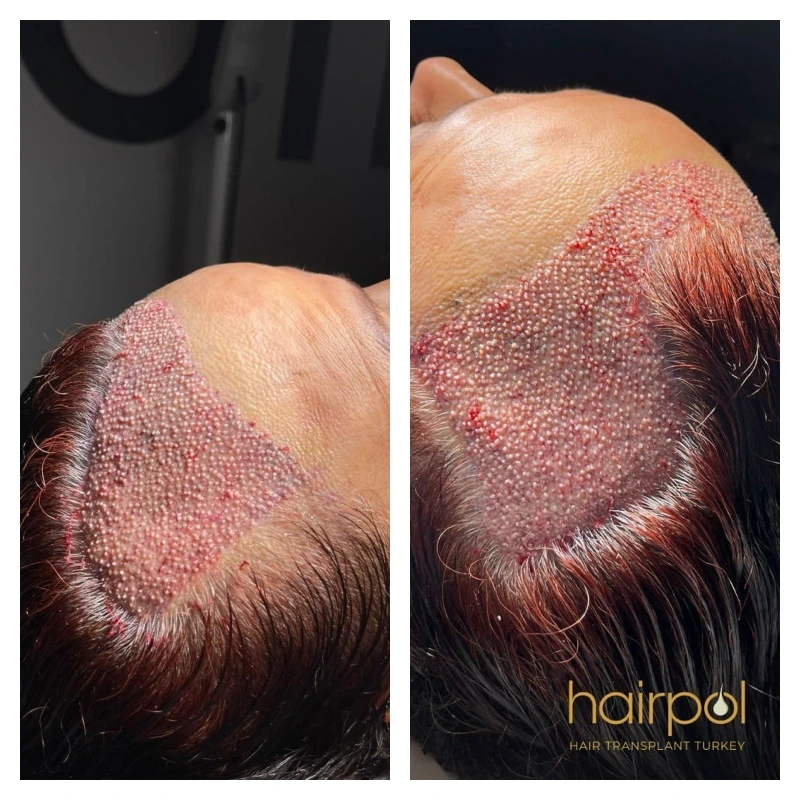
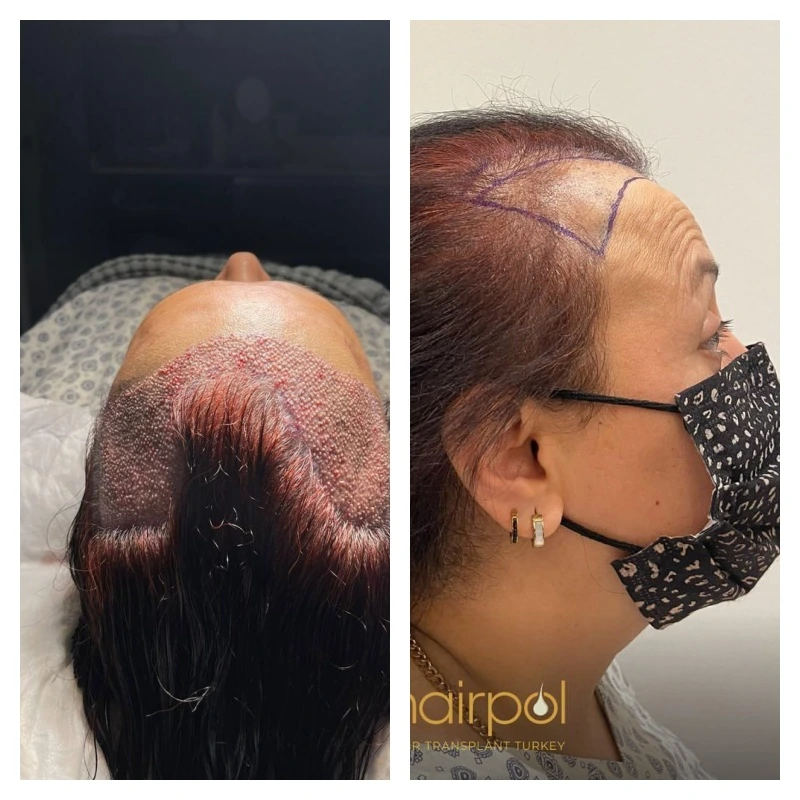
Hair Transplantation for Women: What It Is and Who It Can Help
Hair loss in women is far more common than most people assume, yet it is discussed far less openly than male baldness. Hair transplantation for women is a surgical procedure in which healthy follicles are taken from an area of the scalp with stable growth — usually the back of the head — and relocated to thinned or receded areas. Performed on the right candidate, it can restore density along the hairline, temples or parting in a way that looks natural and grows like your own hair — because it is your own hair.
Female hair loss follows different patterns than male hair loss. Instead of a receding hairline and bald crown, women more often experience diffuse thinning: the parting widens, the ponytail feels thinner, and the scalp becomes more visible under bright light. Because the causes differ, a plan designed for a man cannot simply be copied for a woman — careful diagnosis comes first.
Common causes of hair loss in women
- Female pattern hair loss (androgenetic alopecia): hereditary, hormone-related thinning that usually affects the top of the scalp while sparing the front hairline.
- Traction alopecia: loss along the hairline and temples caused by years of tight ponytails, buns, braids or extensions.
- Scarring after surgery or injury: for example, visible scars from a facelift or an accident where hair no longer grows.
- A naturally high forehead: some women simply want their hairline lowered or the temples rounded for facial harmony.
- Temporary or medical causes: thyroid disorders, iron deficiency, hormonal changes after pregnancy or menopause, stress-related shedding and some medications — these usually need medical treatment rather than surgery.
Who is a good candidate?
Good candidates generally share three characteristics: the hair loss is stable rather than actively progressing, the donor area at the back of the head is dense and healthy, and the thinning is concentrated in a defined area rather than spread evenly across the whole scalp. Women with traction alopecia, scar-related loss or a high hairline they wish to lower often respond particularly well. On the other hand, if thinning is diffuse across the entire head — including the donor area — transplanting hair may simply move fragile follicles from one weak zone to another. In that situation, an honest clinic will recommend medical therapies such as PRP or other regenerative treatments first, and will say clearly if surgery is not the right answer. A proper physician evaluation should therefore always come before any booking decision.
How a Female Hair Transplant Is Performed: Step by Step
Before the procedure
The process starts long before the operating chair. During the consultation — done online with photographs if you are considering a hair transplant abroad — the medical team examines your pattern of loss, donor hair quality, medical history and medications. Blood tests help rule out underlying causes such as anaemia or thyroid problems. The surgeon then designs the new hairline with you, considering facial proportions and hair direction; realistic planning at this stage is the single biggest factor in a natural-looking result.
On the day of surgery
A hair transplant is a genuine surgical procedure performed under local anaesthesia; a typical session takes several hours. The main steps:
- Anaesthesia: the donor and recipient areas are numbed with local anaesthetic; you remain awake, and most patients describe discomfort mainly during the initial injections.
- Extraction: with the FUE (Follicular Unit Extraction) method, individual follicular units are removed one by one with a fine micromotor punch, leaving no linear scar. For many women, only a discreet strip at the back of the head is trimmed, so the surrounding long hair covers it immediately — a full shave is often unnecessary.
- Channel opening or direct implantation: in Sapphire FUE, tiny incisions are opened with smooth sapphire blades before the grafts are placed, supporting precise angling and dense packing. In a DHI hair transplant (Direct Hair Implantation), grafts are loaded into a pen-shaped implanter and placed directly into the scalp without pre-made channels — frequently preferred for women because it allows implantation between existing hairs with minimal or no shaving.
- Implantation: each graft is placed at the correct angle, depth and direction so the new hair blends with your natural growth pattern; single-hair grafts soften the front edge of the hairline, with multi-hair grafts behind them for density.
After the procedure
You go home (or back to your hotel) the same day with clear aftercare instructions: how to sleep, how to protect the grafts, which medications to use and when to return for the first professional wash. Mild swelling, redness and small crusts are normal in the first days and usually settle within one to two weeks.
Advantages and Honest Limitations
What the procedure does well
- It uses your own living follicles, so the result grows, moves and ages like natural hair.
- Follicles are taken from a zone genetically more resistant to hormone-related loss, so in most patients the new hair is long-lasting.
- Modern techniques such as Sapphire FUE and DHI allow refined hairline design, minimal scarring and, in many female cases, an unshaven or minimally shaven approach.
- It can address problems medication cannot, such as scars, traction alopecia or a congenitally high hairline.
What it cannot do — and what you should know
- It does not stop ongoing hair loss. A transplant relocates hair; it does not treat the underlying process. Women with progressive pattern loss often need supportive medical therapy to protect their existing hair.
- Not every woman is a candidate. Diffuse thinning affecting the donor area, active shedding phases and untreated medical causes are usually reasons to postpone or avoid surgery.
- Results take time. Transplanted hairs typically shed in the first weeks (shock loss) before regrowing; the visible outcome develops over roughly a year.
- It is surgery, with surgical risks. Although complications are uncommon in healthy patients, infection, prolonged redness, temporary numbness, folliculitis or uneven growth can occur. An experienced team and careful aftercare reduce — but never eliminate — these risks.
- Density has limits. The donor area is finite; a skilled surgeon aims for a natural, meaningful improvement, and results always vary from person to person.
Having Your Hair Transplant in Istanbul, Turkey
Turkey has become one of the world's leading destinations for hair restoration, and Istanbul in particular hosts clinics that perform these procedures every day. Women researching a hair transplant in Turkey are usually drawn by three things: surgical teams with a very high case volume, modern techniques such as DHI and Sapphire FUE offered as standard, and overall costs that are often considerably lower than comparable treatment in Western Europe or North America — largely because operating costs in Turkey are lower. As with any destination, standards vary between providers, which makes careful clinic selection essential.
How the process works for international patients
If you are travelling from abroad, the journey is simpler than many patients expect:
- Online pre-assessment: you send photographs of your scalp and answer questions about your health and hair loss history; the medical team evaluates whether you are a suitable candidate and which technique — FUE, Sapphire FUE or DHI — fits your case.
- Personalised plan and quote: you receive an individual treatment plan before committing to travel, so you know what to expect.
- Travel and stay: most patients stay in Istanbul for a few days, covering the consultation, the procedure and the first post-operative wash and check-up.
- Follow-up from home: after you return, progress is monitored remotely with photographs and messages, and the clinic remains reachable throughout the months of regrowth.
Hairpol Hair Transplant Clinic is located in Ataşehir, Istanbul, and works with international patients in English, Turkish and German. Because female hair restoration has its own diagnostic and aesthetic requirements, every case begins with an individual medical evaluation rather than a one-size-fits-all package.
What Determines the Cost of a Hair Transplant for Women?
One of the most frequent questions from patients comparing clinics is about hair transplant cost — and it is where the most confusion arises, because prices vary widely between countries and clinics. Rather than quoting a single figure, it is more useful to understand what drives the price:
- Technique: DHI generally requires more time and specialised instruments per graft than standard FUE, which is reflected in pricing; Sapphire FUE sits between the two.
- Extent of the area and number of grafts: restoring a small traction-loss zone at the temples is a different undertaking from rebuilding density across a widened parting.
- Shaven or unshaven approach: unshaven techniques, often preferred by women, are more demanding for the surgical team.
- The team and setting: the experience of the surgeon and technicians, and the standards of the facility.
- What the package includes: transfers, accommodation, medication, aftercare products, follow-up washes and supportive treatments such as PRP may or may not be included — always compare like with like.
Hair transplant costs in Turkey are typically lower than in the UK, Germany or the US for equivalent techniques, which is a major reason patients choose treatment abroad. The only reliable way to know what your own treatment would involve is a personal assessment: after reviewing your photographs and goals, the clinic can give you a clear individual quotation with no obligation.
Recovery and Results: A Realistic Timeline
Hair transplantation rewards patience. The table shows the typical course — individual healing always varies.
| Period | What usually happens |
|---|---|
| Days 1–3 | Mild swelling, redness and sensitivity; small crusts form around the grafts. First supervised wash at the clinic. |
| Week 1 | Crusts begin to loosen with gentle washing; most patients return to everyday activities and desk work. |
| Weeks 2–4 | “Shock loss”: many transplanted hairs shed. This looks discouraging but is a normal phase — the follicles remain in place. |
| Months 2–3 | A resting phase with little visible change; redness continues to fade. |
| Months 4–6 | New hairs start to emerge, initially fine and soft, gradually gaining thickness. |
| Months 6–9 | Noticeable improvement in density; the new hair can be cut and styled normally. |
| Months 12–18 | The result matures. Final density and texture are usually assessed around the one-year mark, sometimes later in women. |
Throughout this period, balanced nutrition, healthy iron and vitamin levels, and avoiding tight hairstyles all support the outcome. Supportive treatments such as PRP, if recommended, are usually scheduled during the regrowth months.
How to Choose a Hair Transplant Clinic
Whether you are comparing a hair transplant clinic in Istanbul with options at home or between several Turkish providers, the same principles apply:
- Medical evaluation before sales talk: a trustworthy clinic asks about your health and hair loss history before discussing dates or packages — and will tell you if you are not a good candidate.
- Experience with female cases: women's hairlines, loss patterns and unshaven techniques differ from male procedures; ask specifically about the clinic's approach to female patients.
- Transparency about who does what: ask who performs the extraction and implantation, who designs the hairline and who supervises medically.
- Realistic language: be cautious with anyone promising guaranteed results, exact densities or “no risk”; serious medicine speaks in probabilities, not guarantees.
- Clear aftercare: confirm how follow-up works once you are home, in a language you understand.
- Reviews and results: look at healed long-term results of female patients, not only fresh post-operative photos.
Frequently Asked Questions
Do I have to shave my head for a hair transplant as a woman?
In many female cases, no full shave is needed. Depending on the technique and the size of the area, the team may trim only a small hidden section of the donor area, or work completely unshaven using DHI. The realistic option for you is decided during the medical evaluation.
Is the procedure painful?
It is performed under local anaesthesia, so most patients feel pressure rather than pain during the operation; the anaesthetic injections at the start are usually the most uncomfortable moment. Mild soreness in the following days is typically managed with standard pain relief prescribed by the clinic.
Which is better for women: FUE, Sapphire FUE or DHI?
There is no universally “best” technique — each has strengths. DHI is often favoured for women because it allows implantation between existing hairs without shaving, while Sapphire FUE supports very precise, dense hairline work. The right choice depends on your loss pattern and goals, decided with the physician after examination.
Are the results permanent?
Transplanted follicles usually come from an area genetically more resistant to hormone-related loss, so in most patients the transplanted hair keeps growing long term. However, non-transplanted hair can continue to thin over the years, which is why supportive medical treatment is sometimes recommended alongside surgery; outcomes vary from person to person.
How long do I need to stay in Istanbul?
Most international patients plan a short stay of a few days — enough for the pre-operative consultation, the procedure and the first wash and check-up. Healing then continues at home, with the clinic following your progress remotely through photographs.
When can I go back to work and normal life?
Many patients return to desk-based work within a few days, once swelling and redness begin to settle; demanding physical work, intense exercise, swimming and saunas need to wait longer, following your personal schedule from the medical team. Because the donor area is usually hidden under existing hair in women, the procedure is often less visible to others than patients fear.
I have overall thinning rather than a bald patch. Can I still have a transplant?
Sometimes, but not always. If the thinning also affects the donor area at the back of the head, surgery may not be advisable, because the transplanted hair would carry the same weakness. In such cases, medical and regenerative treatments are usually explored first, after an honest assessment of your donor area.
Will the result look natural?
Naturalness depends chiefly on planning: the position and shape of the hairline, the angle and direction of each graft, and the use of single-hair follicular units at the front edge. When these principles are respected by an experienced team, transplanted hair is generally indistinguishable from natural growth once it matures.
Is it safe to travel abroad for a hair transplant?
The process for international patients is well established: online assessment first, a clear treatment plan before you book, and structured aftercare when you return home. Safety depends less on geography than on choosing a clinic that evaluates you medically, communicates transparently in your language and remains reachable after the procedure.
What happens if my hair loss continues after the transplant?
Because a transplant does not stop the underlying loss process, progressive thinning can continue in non-transplanted areas. This is usually managed with supportive treatments such as PRP and, where appropriate, a later touch-up session. Discussing your long-term plan before the first procedure helps avoid surprises.
Take the First Step: A No-Obligation Assessment
If thinning hair has been on your mind, the most useful next step is simply to find out where you stand. Hairpol Hair Transplant Clinic in Ataşehir, Istanbul offers a no-obligation pre-assessment for women considering hair restoration: you share a few photographs, and the medical team tells you honestly whether you are a candidate, which technique would suit your case and what your personal treatment plan — including a clear individual quotation — would involve. There is no obligation attached to asking.
You can reach the clinic at +90 549 102 07 47, by e-mail at info@hairpol.com, or through the contact form on hairpol.com. Consultations are available in English, Turkish and German.
