

The marketing version of hair transplant recovery is a man back under a barbell a week later, smiling, captioned “no downtime.” The real version is quieter and a little more boring. You want to move. You want to sweat, to lift, to feel like yourself again, because for a lot of people the gym is not just fitness, it is the place where stress goes to die. So the question comes up fast, often before the swelling has even settled: when can you actually start exercise after a hair transplant again?
The honest answer is that there is no single date stamped on your forehead. There is a sequence. Your scalp is healing on two separate clocks at once, and training too early does not just risk a bad workout, it can cost you grafts you paid for and waited for. This guide walks you through it phase by phase, with what is safe, what to avoid, and the reason behind each rule, so you are not guessing.
Why “When Can I Train?” Has No Single Answer
People want one number. Two weeks. Four weeks. A clean line they can circle on a calendar. But the body does not work to a slogan, and your scalp after surgery is doing several fragile things at the same time. The newly placed grafts sit in tiny incisions, not yet anchored by their own blood supply. The donor area is an open wound that needs to close and seal. Both are vulnerable to the exact things training produces: sweat, raised blood pressure, friction, and sudden physical strain.
That is why the timeline is staged rather than switched on. Each phase reflects a real biological milestone, not an arbitrary waiting period. At Hairpol, the after-care guidance is built around these milestones precisely because returning too soon is one of the most common ways patients quietly undermine an otherwise excellent procedure. The good news is that almost everyone gets fully back to training. It is just a matter of doing it in the right order, on the scalp’s timeline rather than your impatience.
Phase 1 (Days 0 to 7): Complete Rest
This is the non-negotiable phase. For the first week, the answer to “can I exercise?” is simply no, and not the cautious kind of no that has loopholes. No gym, no running, no lifting, no press-ups, nothing that lifts your heart rate or makes you strain. The grafts placed during your procedure are at their most fragile right now, held in place by little more than a forming clot and early healing. They have not yet hooked into a blood supply of their own.
The threats in this window are specific. Sweat irritates and softens the healing crusts and can carry bacteria across an open recipient area. Raised blood pressure from cardio or lifting increases the chance of bleeding from both the donor and recipient zones. And bending, straining, or holding your breath under load, the way you naturally do during heavy effort, sends pressure straight to your head. Any of these can dislodge a graft before it has a chance to take. At Hairpol, the first seven days are framed as protection time, not lost time. Sleep elevated, keep your heart rate calm, and let the foundation set.
Phase 2 (Days 8 to 14): Gentle Walking and Light Daily Movement
By the second week things ease, but only a little. This is the phase of gentle walking, light housework, and normal daily movement, not the phase of training. A relaxed walk is genuinely good for you here. It keeps your circulation healthy, supports general recovery, and helps your mood after a week of sitting still. What it must not become is a brisk, sweaty march that leaves you flushed and breathing hard.
The grafts are more secure than they were on day three, but they are still settling, and the donor wound is still knitting closed. So the rule of thumb is movement without exertion. You should be able to hold a conversation comfortably the entire time. No incline sprints, no rucking, no “light” weights that are not actually light. The recipient area should stay free of sweat, friction, hats that rub, and anything that drags across the new hairline. Think of this as the bridge week: you are allowed to feel human again, but real training still waits.
Phase 3 (Weeks 2 to 4): Light Low-Impact Cardio Returns
Somewhere after the two-week mark, most people can reintroduce light, low-impact cardio. Think a steady stationary bike, an easy incline walk on a treadmill, or gentle cross-trainer work at a conversational pace. The key words are low-impact and controlled. No pounding, no bouncing, no jolting movements that shake the head, and nothing intense enough to leave you dripping or red-faced.
What stays off the table in this phase is just as important as what comes back. No heavy lifting. No straining, no breath-holding effort, no exercises that spike blood pressure into your scalp. And no friction near the recipient or donor area, which rules out tight headbands, helmets, or anything that rubs the grafts as you move. If you sweat lightly, that is usually manageable now, but you still want to keep it modest and rinse gently afterwards once washing is cleared. This is the phase where you ease the engine back on without flooring it. For a fuller day-by-day picture of how the scalp heals across these weeks, our recovery timeline from day 1 to 12 months maps the whole arc.
Phase 4 (Weeks 4 to 6): Gradual Return to the Gym
This is the phase most gym-goers are waiting for, and it is also where patience pays off the most. Around the four-week mark, many people can begin a gradual return to the gym at moderate intensity. That means reintroducing weights cautiously, lighter loads and higher reps before anything ambitious, and resistance machines before heavy free weights where possible. Moderate cardio can build back up too. The grafts are far more secure now, having had several weeks to anchor.
Still, gradual is the operative word. The mistake people make here is treating week four as a green light to pick up exactly where they left off, ego intact. Don’t. Skip maximal lifts, avoid anything that has you grimacing and straining, and keep tension out of your neck and scalp. Wipe sweat gently rather than rubbing. If a movement makes your scalp throb or tighten, that is your signal to back off. At Hairpol, we frame these two weeks as a ramp, not a switch. You are rebuilding capacity, not testing it. Our dedicated guide on the hair transplant and gym timeline breaks the lifting side of this down in more detail.
Phase 5 (Weeks 6 to 8 and Beyond): Full-Intensity Training
For most people, somewhere between week six and week eight is when full-intensity training and heavy lifting can resume. By this point the grafts have established their blood supply, the recipient area has healed over, and the donor zone has closed. The scalp is no longer the fragile thing it was in week one. You can lift heavy, sprint, train hard, and sweat freely without the same level of risk hanging over every session.
That said, “most people” is doing real work in that sentence. Some heal faster, some slower, and the only person who can confirm your specific green light is the surgeon who did the work and has seen your scalp. If you had a large session, a tight donor area, or any complication, your timeline may run longer. The principle for this phase is simple: by now, the limiter should be your fitness, not your follicles. If anything still feels tender, irritated, or unusually red when you push, treat that as a reason to ease back rather than power through.
Sweat and Grafts: Why It Matters and When It Stops
Sweat gets singled out for a reason. In the earliest days, the recipient area is essentially a field of tiny open wounds, and sweat is warm, salty, and a comfortable medium for bacteria. Heavy sweating in week one can soften the protective crusts prematurely, irritate the incisions, and raise the risk of infection or inflammation around grafts that have not yet taken. That is why the no-sweat rule sits at the heart of early after-care.
The risk fades as the skin closes. Once the crusts have naturally cleared and the surface has healed over, usually somewhere in the two to four week range, light sweat becomes far less of a concern. By the time you reach full-intensity training, sweating freely is normal and fine. The practical advice in between is to keep early sessions cool and short, rinse gently afterwards once your clinic has cleared washing, and never scrub or rub the area to dry it. Pat, don’t wipe. Sweat is not a permanent enemy, it is just a problem with a short and predictable expiry date.
Swimming, Sea and Sauna: The Chlorine, Salt and Heat Timeline
Pools, the sea, and saunas are their own category, and they wait longer than the gym floor. Chlorine is a harsh chemical irritant on healing skin. Salt water carries its own sting and, in open water, an unpredictable bacterial load. Saunas and steam rooms combine intense heat with heavy sweating, which is exactly the combination early grafts do not want. As a general rule, give all three roughly a month before you go near them, and confirm with your clinic first.
Why so cautious? Submerging a healing scalp exposes it to chemicals and microorganisms in a way a quick rinse never does, and prolonged heat dilates blood vessels and pushes sweat at precisely the wrong time. A month gives the surface enough time to seal so that a swim or a sauna is just a swim or a sauna, not a risk to your investment. When you do return, ease in. A short, calm first swim beats an hour of laps, and a brief sauna beats a long one. At Hairpol we would always rather you wait an extra week than rush back into the water and regret it.
Contact Sports and Headgear: The Longest Wait
If your sport involves impact, expect the longest timeline of all. Football, basketball, martial arts, boxing, rugby, climbing with a helmet, cycling with a tight strap, anything where your head can be hit, knocked, or pressed by equipment carries a different kind of risk than a treadmill. A single blow to a healing recipient area, or persistent rubbing from headgear, can damage grafts well after sweat and blood pressure have stopped being the main concern.
For non-contact return to these sports, you are often looking at a similar six to eight week window as heavy lifting, but for genuine contact and any helmet that presses on the grafts, many surgeons advise waiting longer, sometimes up to three months or until they specifically clear you. Headgear is the underrated hazard here. Even outside contact sports, a tight cycling helmet, a snug climbing helmet, or a hard hat can rub and compress the recipient zone. If you must wear one, raise it with your surgeon and ask when the grafts are robust enough to tolerate the pressure.
Donor Area Versus Recipient Area: Two Wounds, Two Clocks
One of the most useful things to understand is that your scalp is not healing as a single surface. The recipient area, where the new grafts were placed, and the donor area, where they were taken from, are two different wounds healing on two different clocks. The recipient zone is about protecting delicate, newly planted follicles from movement, friction, and pressure. The donor zone is about letting an extraction wound close, seal, and stop being raw.
This matters for exercise because the two areas can limit you for different reasons. A movement that does not threaten the recipient grafts might still stretch or irritate a tight donor area, especially anything that pulls on the back and sides of the scalp or the neck. Heavy shrugging, certain neck-loaded lifts, or movements that tense the back of the head can tug at the donor line while it is still healing. So when you reintroduce training, pay attention to both zones. If the back of your head feels tight or stings during a set, that is the donor area telling you it is not ready yet, even if the top feels fine.
Signs You Pushed Too Hard, and What to Do
Your body gives you feedback if you have overdone it, and it is worth knowing the signals so you can react early. The clearest warning signs are bleeding or fresh pinpoints of blood in the recipient or donor area, a graft that looks dislodged or missing where one used to be, throbbing or sharp pain during or after exercise, and redness or swelling that is worse rather than better after a session. Some mild tightness as you return is normal. Bleeding and increasing redness are not.
If you see any of these, stop training immediately and do not “test” the area again to see if it repeats. Keep the scalp clean and avoid touching or pressing it, sleep elevated, and contact your clinic for guidance rather than self-diagnosing. Early intervention protects the result. At Hairpol, we would far rather hear from you about a small concern at week two than have you push through, lose grafts, and discover the cost months later when growth comes in patchy. Pushing too hard rarely announces itself dramatically. It tends to show up quietly, as a slightly thinner patch that did not have to happen.
How to Stay Fit While You Wait
One reason people rush back too soon is fear of losing everything they built. That fear is mostly unfounded. A few weeks of reduced training does not erase months or years of work, and the strength and conditioning you lose in a short layoff comes back quickly once you resume. Treating the recovery period as a brief, planned deload rather than a disaster makes the whole thing far easier to accept.
There are also smart ways to stay active without threatening the grafts. In the later phases, lower-body and core work that keeps your head still and your effort moderate is usually gentler on the scalp than overhead pressing or anything that forces you to strain and brace. Walking, mobility work, and easy controlled movement all keep you ticking over. The point is not to chase progress during recovery, it is to maintain a baseline and protect your result. At Hairpol, we often remind patients that the few cautious weeks after surgery are a tiny price for a result you carry for decades. Train your patience first, and the rest follows.
Why the Timing Always Comes Back to Your Surgeon
Every phase in this guide is a sensible default, not a personal prescription. The real timeline depends on variables only your clinical team can weigh: how many grafts were placed, how large the procedure was, how your donor area was managed, how quickly you heal, and whether anything during recovery needs a little more time. Two people who had surgery on the same day can sit in slightly different places by week four, and that is completely normal.
That is why the smartest thing you can do is treat these phases as a framework and your surgeon’s word as the final say. Ask specifically about your sport and your training style, because “exercise” means something different for a powerlifter, a runner, a swimmer, and a footballer. If you want the deeper rationale behind the early restrictions, our earlier piece on whether you can exercise after a hair transplant and when covers the why in more detail. Used together with the staged plan above, you have a clear path back to full training without gambling on the result.
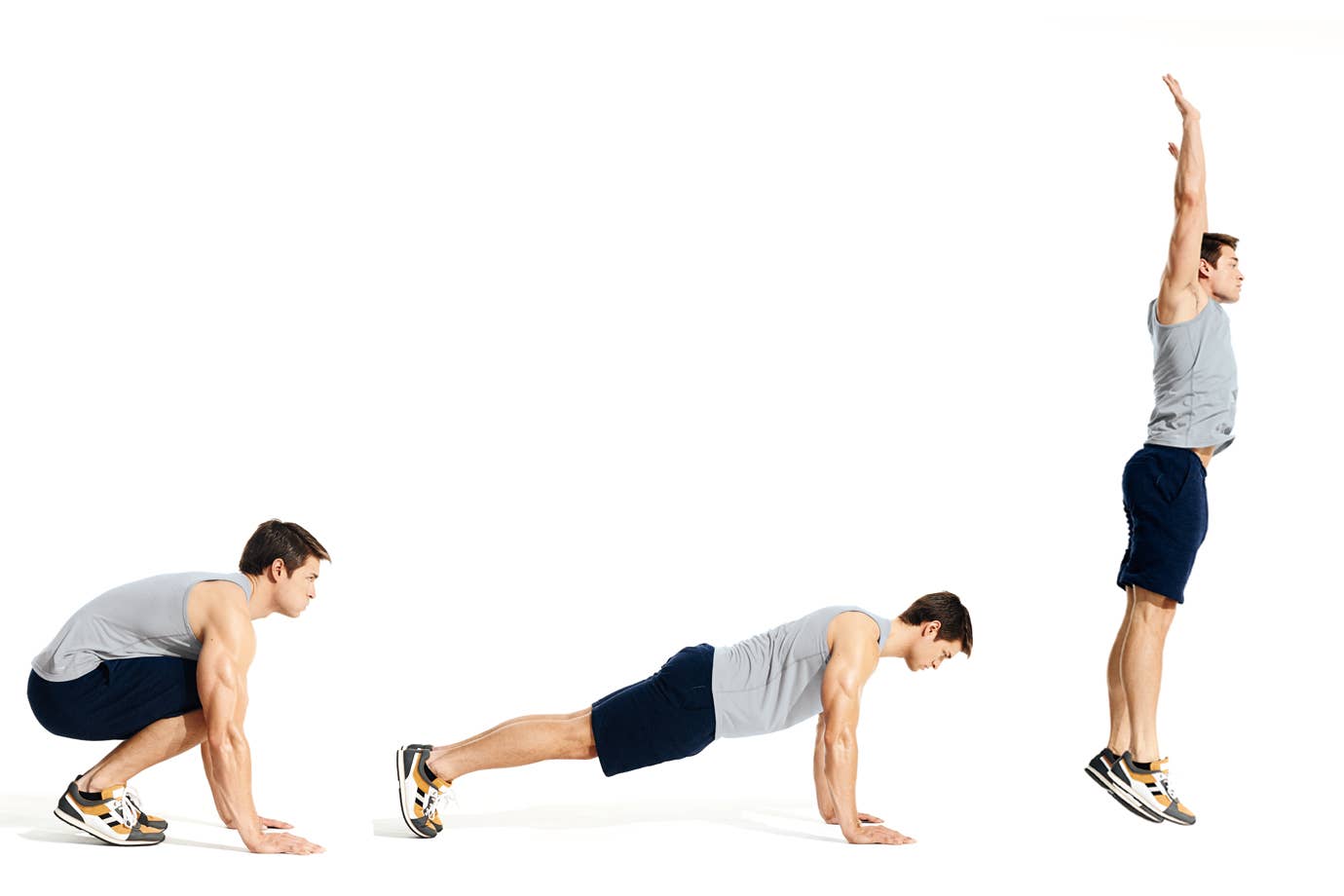
Getting back to the gym after a hair transplant is not about heroics, it is about sequencing. Rest first, move gently, ease the cardio back, ramp the weights, then train hard once the scalp has earned it. If you are planning a procedure and want a recovery plan that fits your training life rather than fighting it, the team at Hairpol can walk you through what to expect. Learn more about our approach to hair transplantation and book a consultation to map your own timeline.
Find this helpful? Add Hairpol as a preferred source on Google.
Get a Free Consultation
Answer a few questions and the medical team will review your situation.
