
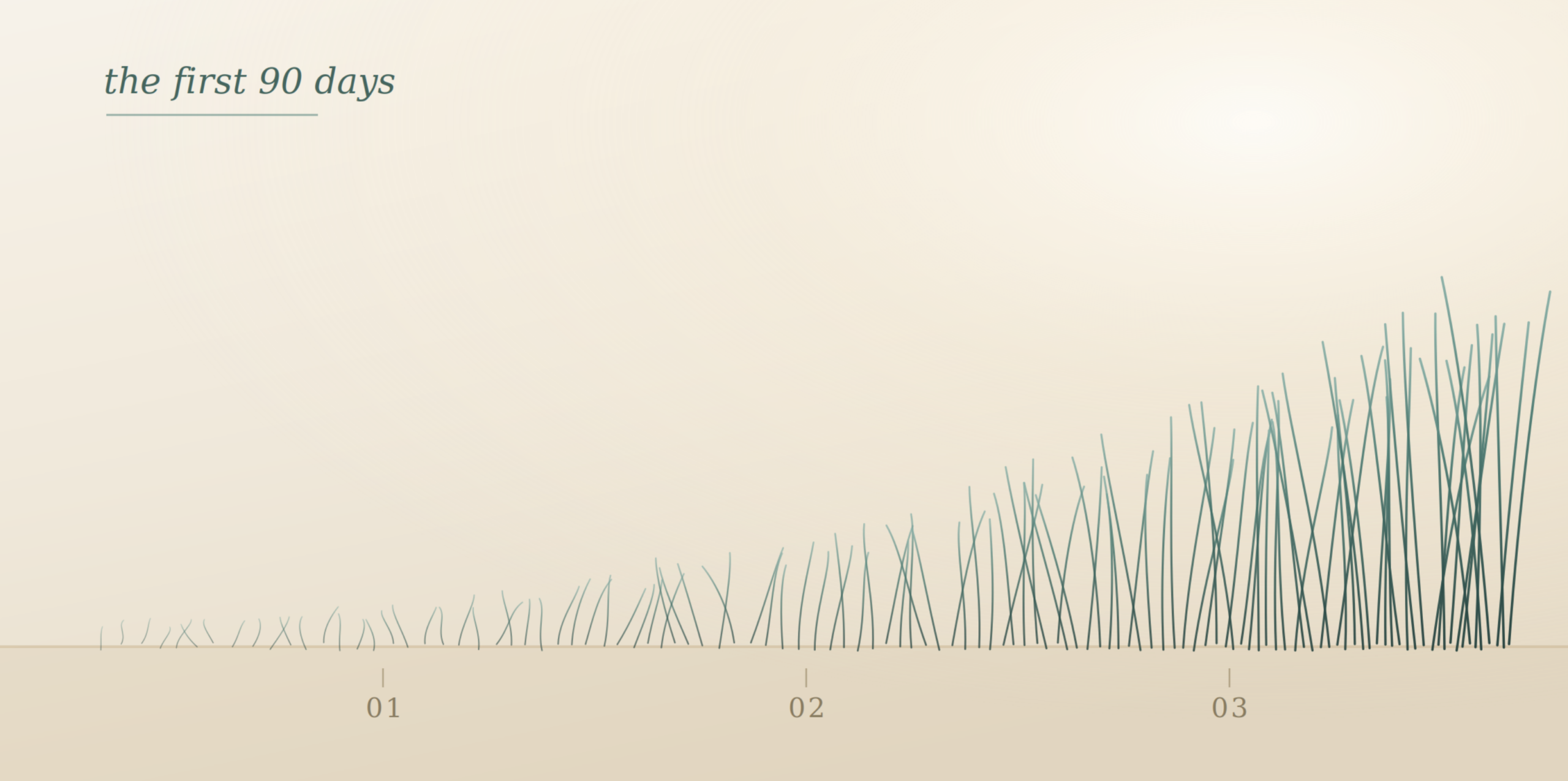
The first three months after a hair transplant are the most anxious period of the entire recovery process. The procedure is done, the immediate excitement has faded, and the patient is left watching their scalp for signs that the procedure actually worked. The problem is that during these three months, the visible signs of success aren’t what most patients expect them to be.
Most patients walk into the first three months expecting to see hair growing in. They’ve paid for a hair transplant, the procedure went well, and they reasonably expect that hair is what they should be seeing. Instead, they see shedding around weeks two to six, sparse coverage through months two and three, and what looks like a procedure that’s failing rather than one that’s working. Without the right framework for what to look for, normal recovery feels like disaster.
This guide walks through what actually indicates a successful procedure during the first three months. The biological markers that show the procedure is working even when the visible result doesn’t reflect it yet. The patterns of normal recovery that mean things are on track. The signs that distinguish a procedure proceeding well from one with genuine issues. Understanding these distinctions is the single most useful framework for navigating the first three months without unnecessary panic — and for recognizing the rare cases where contacting your clinic actually is warranted.
What Success Actually Looks Like in the First 3 Months
The fundamental thing to understand is that the first three months don’t show you the result. They show you the recovery process, which is mostly invisible at the surface level. The actual visible result — the new hair growing in — doesn’t begin emerging until around month four to five for most patients, and doesn’t approach its mature form until twelve to eighteen months.
What success looks like during the first three months is therefore not new hair growth. It’s the absence of problems combined with the presence of the normal recovery patterns. A procedure that’s going well during this window typically shows:
- Initial healing of the donor and recipient areas without complications.
- Scabs forming and clearing on the expected timeline.
- Shock loss occurring around weeks two to six as a normal part of follicle adaptation.
- The treatment area looking sparse or even worse than before the procedure during months two to four.
- The donor area healing and filling in with regrowth of any shaved hair.
- No signs of infection, persistent inflammation, or unusual symptoms.
None of these are dramatic indicators of success in the way patients hope for. But they’re the actual markers that the procedure is proceeding as expected and that the eventual result will materialize on its normal timeline.
Days 1-7: The Initial Healing Phase
The first week is when the most visible aspects of the procedure are most apparent. The recipient area shows small red dots at each implantation site, the donor area shows tiny extraction points, and scabbing forms around each graft as the channels close.
Positive signs during the first week:
- Scabs forming around each graft site by days 2-3. This is normal protective scabbing — the body’s response to the implantation channels. The scabs hold grafts in place while initial healing happens.
- Swelling appearing on days 2-4 and resolving by the end of the week. Some swelling around the forehead and eyes is universal. Significant swelling that closes the eyes partially is also normal, though more visible.
- Pain that decreases over the first 2-3 days. Initial discomfort that gradually fades is the expected pattern.
- The donor area healing without unusual symptoms. Some tenderness, mild redness, and tiny visible extraction points are normal.
- Sleep and basic activity becoming gradually more comfortable. By day 5-7 most patients feel substantially better than they did on day 1-2.
This phase isn’t about visible hair growth — it’s about the surgical wounds healing on their normal timeline. If the first week proceeds without complications, the foundation for the rest of recovery is in place.
Days 8-14: Scabs Resolving and Grafts Anchoring
During the second week, the scabs that formed around graft sites begin to loosen and come away during gentle washing. By day 14, most scabs have cleared and the recipient area starts looking substantially more normal.
Positive signs during week 2:
- Scabs releasing naturally during washing, not picked off. The release should happen gradually as part of the daily wash routine.
- Residual redness underneath the scabs. Pink to red skin under where the scabs were is normal. This redness can persist for several weeks, especially in fair-skinned patients.
- The donor area continuing to fade. The shaved zone begins showing short stubble of new growth.
- The recipient area looking more uniform. As scabs clear, the area looks less like a surgical site and more like skin.
- The first signs of shock loss possibly appearing. Some patients see the first hairs from the transplanted grafts starting to shed during week 2 — this is on schedule and normal.
By the end of week 2, the most critical recovery window has effectively closed. The grafts are firmly anchored, biological integration is well underway, and the patient has navigated the highest-risk phase of the entire recovery timeline.
Weeks 3-6: Shock Loss as a Sign of Normal Recovery
Weeks three through six are when most transplanted hair shafts shed. This is shock loss — the temporary release of hair shafts as the transplanted follicles enter the telogen (resting) phase of the growth cycle in response to the trauma of transplantation.
Counterintuitively, shock loss is a positive sign rather than a negative one. The shedding indicates that the follicles are responding to transplantation in the expected biological way — entering the protective resting phase that allows them to survive the procedure trauma and emerge later with new growth.
What to expect during this window:
- Hair appearing on pillows, in the shower, and during washing. The shed hair shafts are released as follicles enter telogen.
- The treatment area appearing to thin progressively. As more grafts shed their hair shafts, visible coverage decreases.
- Possibly some native hair shedding too. Existing hair in the treatment area can also be pushed into telogen by the procedure trauma.
- The visible appearance worsening rather than improving. This is the phase most likely to cause unnecessary patient panic.
The critical understanding here is that what’s shedding is the hair shaft, not the follicle. The follicles transplanted into the recipient area remain firmly anchored beneath the surface. The hair shafts they were producing release as the follicles enter their resting phase, but the follicles themselves are intact and will produce new hair shafts when they re-enter the active growth phase later.
A procedure proceeding normally shows shock loss. A procedure not showing shock loss in this window isn’t necessarily problematic — some patients have minimal visible shedding — but the expected pattern includes obvious shedding for most patients.
Weeks 7-9: The Quiet Phase
By weeks seven to nine, the active shedding has largely ended. The follicles are now in telogen — dormant beneath the surface, neither producing visible hair nor actively shedding. The treatment area can look genuinely sparse, sometimes thinner than it did before the procedure.
This is the phase that causes the most patient anxiety. The dramatic shedding of the previous weeks has stopped, but new growth hasn’t begun yet. The visible result is essentially flat — no improvement week to week, no obvious progress, just the same sparse appearance day after day.
Positive signs during this window are largely about absence of problems:
- No active inflammation, infection, or unusual symptoms. The treatment area looks settled even if sparse.
- The donor area continuing to heal and fill in. By weeks 7-9, the donor area should look substantially normal.
- No persistent redness beyond what’s expected. Some lingering pinkness is normal; bright or spreading redness is not.
- The patient feeling generally well. Energy, appetite, and overall recovery should be back to baseline.
Beneath the surface, the follicles are quietly preparing for their next growth cycle. The dermal papilla at the base of each follicle is signaling the start of new hair shaft production. The cellular machinery for hair growth is rebuilding. None of this is visible from the surface, but it’s the actual work that produces the visible result starting around month four to five.
Weeks 10-12: First Signs of New Growth Approaching
By the end of the third month, some patients begin seeing the very earliest signs of new growth. For most, this is still a few weeks away — month four to five is the typical window for first visible emergence. But for some patients, very fine, sparse new hairs become visible at the end of month three.
What to look for:
- Very fine, light-colored hairs appearing in the treatment area. These are the first new hair shafts emerging from follicles re-entering anagen. They’re typically thin and may be lighter than the patient’s mature hair color.
- The treatment area no longer worsening. Even before new growth is clearly visible, the area should stop looking progressively thinner.
- Skin texture returning to normal. The slight bumpiness from healing graft sites smooths out.
- The donor area essentially indistinguishable from normal scalp. By month 3, the donor zone should show no clear evidence of the procedure beyond very close inspection.
Most patients don’t yet see meaningful new growth at month three. That’s normal. The patients who do see early growth are at the faster end of a normal distribution; the patients who don’t are also normal, just at the typical pace. Either pattern is consistent with a successful procedure.
The Photo Documentation That Helps
One of the most useful practices for navigating the first three months is consistent photo documentation. The slow pace of change between any two consecutive days or even weeks makes it almost impossible to see progress through daily observation. The difference between month one and month three is significant, but the difference between any two consecutive days is invisible.
Useful documentation practices:
- Take photos at consistent intervals. Weekly photos through the first three months work well. Monthly afterward.
- Use consistent lighting. Same room, same time of day, same lighting setup. Variations in light can make the same scalp look dramatically different from photo to photo.
- Use consistent angles. Front, top, sides, and back from the same positions each time.
- Include a reference point. A specific feature like the ears or hairline edge that anchors the comparison.
- Take photos with hair both wet and dry. Wet hair shows the scalp more clearly; dry hair shows the typical visible appearance.
When patients become anxious about progress, comparing photos from week one to week ten provides perspective that daily observation cannot. The recovery is happening — it’s just slower than day-to-day observation can show.
Signs That Warrant Contacting Your Clinic
Most of what happens during the first three months is normal recovery, even when it doesn’t feel like it. A few specific signs do warrant reaching out to your clinic:
- Pain that increases rather than decreases over the first week. The pattern of recovery is decreasing discomfort. Increasing pain suggests a complication.
- Yellow or green discharge from any graft site. Clear or slightly bloody fluid in the first 48 hours is normal; colored discharge later is not.
- Spreading redness beyond the treated area, especially with fever. This pattern can indicate infection.
- Bleeding from graft sites beyond the first 48 hours. Initial small amounts of bleeding are normal; persistent bleeding is not.
- Visible signs of infection. Heat, significant swelling, drainage, or fever in combination warrant immediate contact.
- Severe or persistent itching that doesn’t respond to washing. Some itching is normal; severe itching can indicate inflammation that needs evaluation.
- Sudden swelling that develops weeks after the procedure. Late-onset swelling is unusual and worth evaluating.
- Graft sites that look different from the rest — significantly more red, raised, or inflamed. Localized inflammation can occasionally indicate a problem with specific grafts.
What’s notably not on this list: the hair shedding around weeks 2-6, the sparse appearance during months 2-3, slow progress between weeks, or anxiety about whether the procedure worked. All of these are normal phases of recovery rather than reasons for concern.
The Distinction Between Normal Anxiety and Actual Problems
The single most useful framework for the first three months is distinguishing the visible appearance from the underlying biological reality. The visible appearance during months two and three can genuinely look worse than before the procedure. The underlying biological reality is that follicles are intact, integrated into the recipient area, and progressing through their normal recovery cycle toward eventual new growth.
Patients who confuse the visible appearance with the underlying reality experience the first three months as failure. Patients who understand the distinction experience them as the normal recovery they are.
A useful test: if you find yourself anxious about progress, ask whether what you’re seeing is one of the specific concerning signs listed above. If it is, contact your clinic. If it isn’t — if your concern is that the area looks sparse, that you’re shedding more hair, that the result isn’t showing yet, that progress seems slow — what you’re describing is normal recovery. The procedure isn’t failing; you’re just at the phase where success doesn’t look like anything.
What Successful Recovery Looks Like Across the Full Three Months
To summarize the trajectory of a successful procedure through the first three months:
Days 1-7: Healing of surgical wounds. Scabs forming. Swelling appearing and resolving. Donor area beginning to heal.
Days 8-14: Scabs clearing through gentle washing. Donor area continuing to fade. First signs of shock loss possibly appearing.
Weeks 3-6: Active shock loss. Transplanted hair shafts shedding as follicles enter telogen. Treatment area looking progressively thinner. This is the normal expected pattern, not a problem.
Weeks 7-9: Quiet phase. Active shedding stopped. Follicles dormant beneath the surface. Treatment area looking sparse but stable.
Weeks 10-12: Approach to first growth. Some patients see very early fine hairs emerging. Most don’t yet — emergence comes at month 4-5 for the majority.
This trajectory, frustrating as it is, is what successful recovery looks like. The patient who navigates it understanding what each phase represents is set up for the visible results that begin emerging at month four to five and continue developing through twelve to eighteen months.
The Bigger Picture
The first three months after a hair transplant are not when results become visible. They’re when the foundation for results becomes biologically established. The work that happens during this window — wound healing, graft integration, follicle adaptation, telogen entry, and preparation for new growth — is the necessary precondition for everything that follows.
Patients who understand what to look for during these three months navigate them with appropriate confidence. Patients who don’t can spend weeks in unnecessary anxiety, sometimes contacting their clinics repeatedly about phenomena that are completely normal, occasionally even questioning whether they should pursue revision procedures based on what they’re seeing during the shock loss phase.
The signs of a successful procedure in the first three months aren’t the dramatic indicators most patients hope for. They’re the absence of complications, the presence of normal recovery patterns, the expected shedding, the slow trajectory toward a phase of dormancy followed eventually by emergence. None of this looks like success in the moment, but all of it is what success looks like when measured against the actual biology of hair transplantation.
At Hairpol, post-procedure support throughout the first three months includes ongoing communication with the clinical team so patients can verify what they’re seeing matches expected recovery patterns. The procedure is the surgical event. The first three months are when patient understanding of the recovery process determines whether the experience matches the eventual result — knowing what to look for, what to expect, and when concern is and isn’t warranted is part of what makes the year-long journey toward the mature result navigable rather than stressful.
Frequently Asked Questions (FAQ)
How can I tell if my hair transplant is successful in the first 3 months?
You can tell your hair transplant is proceeding successfully in the first 3 months by looking for normal recovery patterns rather than visible new hair growth. Success during this window means: initial healing of the donor and recipient areas without complications, scabs forming and clearing on the expected timeline (days 2-14), shock loss occurring around weeks 2-6 as transplanted hair shafts shed (which is normal and indicates proper follicle adaptation), the treatment area looking sparse or even worse than before during months 2-3, the donor area healing and filling in with regrowth of shaved hair, and no signs of infection, persistent inflammation, or unusual symptoms. The visible result — actual new hair growth — doesn't begin emerging until around month 4-5 for most patients. A procedure proceeding normally in the first 3 months shows the recovery process, not the result itself. If you're seeing the absence of problems combined with normal recovery patterns, your procedure is on track.
What does a hair transplant look like at 3 months?
At 3 months, most hair transplants look sparse — sometimes even thinner than before the procedure. This is the normal appearance during the quiet phase that follows shock loss. The transplanted follicles have shed their hair shafts during weeks 2-6 and are now dormant in the telogen (resting) phase of the growth cycle. No visible new hair from the transplanted follicles is typically present yet. The donor area at the back and sides of the scalp should look essentially normal by 3 months, with the shaved zone having grown back in. Some patients see very early signs of new growth — very fine, light-colored hairs emerging — at the very end of month 3, but most don't see meaningful new growth until month 4-5. The skin should look settled and healed, with possibly some residual mild pinkness in fair-skinned patients. The appearance at 3 months is not what the result will look like — it's the recovery phase before visible results begin emerging.
Is it normal for my hair transplant area to look worse than before?
Yes, it's completely normal for the hair transplant area to look worse than before the procedure during months 2 to 4. This is the combined effect of shock loss (transplanted hair shafts shedding as follicles enter the resting phase) and the quiet phase that follows (new growth developing beneath the surface but not yet visible). The follicles themselves are intact and preparing for active growth, but with their hair shafts shed and no new growth visible yet, the area can genuinely appear sparser than the pre-procedure baseline. Some patients also experience temporary shedding of existing native hair in and around the treatment area, compounding the visible thinning. This is the phase that causes the most unnecessary patient anxiety, but it resolves as new growth begins emerging from month 5 onward. Patients who understand this is part of the normal timeline before the procedure navigate it with significantly less distress than those who encounter it without warning.
When should I see new hair growth after a hair transplant?
Most patients see the first signs of new hair growth between months 4 and 5 after a hair transplant. Very early growth — fine, light-colored hairs becoming visible — sometimes appears at the very end of month 3 for patients at the faster end of the normal distribution. Meaningful density improvement typically shows at month 6. The majority of the final result is visible by months 9-12. Full maturity, with the final hair caliber, color, and density, takes 12-18 months. Before month 4-5, you should not expect to see new hair growth — the period before that is the recovery phase during which follicles are healing from transplantation, shedding their hair shafts (shock loss), and entering the dormant telogen phase before re-emerging into active growth. Patients expecting visible results before month 4 are likely to experience unnecessary anxiety during normal recovery.
What are the signs of a failed hair transplant?
Genuine failure signs from a hair transplant are different from the normal recovery patterns that cause anxiety. Concerning signs include: pain that increases rather than decreases over the first week (the normal pattern is decreasing discomfort), yellow or green discharge from graft sites (clear or slightly bloody fluid in the first 48 hours is normal; colored discharge later is not), spreading redness beyond the treated area especially with fever (potentially indicating infection), bleeding from graft sites beyond the first 48 hours, visible signs of infection including heat, significant swelling, and drainage, sudden swelling developing weeks after the procedure, graft sites that look significantly different from others (much more red, raised, or inflamed), and ultimately, after the full 12-18 month timeline, substantially less hair growth than the graft count would predict. What's NOT a sign of failure: shedding during weeks 2-6 (this is normal shock loss), sparse appearance during months 2-4 (this is the quiet phase before new growth), or slow progress between weeks. Most patient anxiety in the first 3 months involves normal phenomena that look concerning but aren't actual failure indicators.
Why does my hair look thinner after a hair transplant?
Your hair looks thinner after a hair transplant during months 2-4 because of shock loss — the temporary release of hair shafts as transplanted follicles enter the telogen (resting) phase of the growth cycle in response to transplantation trauma. The shedding is universal across hair transplant patients, beginning around weeks 2-3 and continuing through week 6-8. The shed hair shafts are released, but the follicles themselves remain firmly anchored beneath the surface. Additionally, some native hair in and around the treatment area can also shed during this same window, compounding the visible thinning. The combination of shed transplanted hair, possible native shock loss, and the absence of new growth (which doesn't emerge until month 4-5) creates a period of 2-4 months where the treatment area looks sparser than before the procedure. This is the normal recovery pattern, not a sign of failure. New hair begins emerging from the same follicles around month 4-5, replacing what was lost during shock loss with permanent new growth.
How long does shock loss last after a hair transplant?
Active shock loss lasts roughly 4-6 weeks, typically from week 2 through week 8 after the procedure. The shedding pattern follows a predictable arc: first signs of hair shedding around weeks 2-3, peak shedding between weeks 3-6 with the majority of transplanted hair shafts releasing, and tapering off by weeks 6-8. After active shedding ends, the follicles remain in the dormant telogen phase through months 2-4 — a quiet phase with no visible new hair but no further loss. New growth begins emerging from the same follicles around months 4-5, and visual recovery from shock loss is typically apparent by month 6-7 as new hair density builds. The complete cycle from procedure to mature result, accounting for the shock loss phase plus the regrowth phase, runs 12-18 months. Shock loss is a normal and expected part of the recovery process, not a complication.
Should I be worried if I'm not seeing growth at 3 months?
No, you should not be worried if you're not seeing visible hair growth at 3 months. Most patients don't see meaningful new growth until month 4-5, and some patients don't see substantial growth until month 6. The 3-month mark falls within the quiet phase — the period after shock loss has completed (weeks 2-6) but before new growth begins emerging from the dormant follicles. During this window, the treatment area looks sparse because the transplanted hair shafts have shed and new ones haven't yet appeared, but the follicles themselves are intact beneath the surface and preparing for their next growth cycle. The cellular machinery for hair production is being rebuilt during these weeks; the visible result simply hasn't started yet. As long as you don't have concerning signs (active infection, increasing pain, abnormal discharge, spreading redness with fever), the absence of visible growth at 3 months is completely normal. If you're at month 5-6 and still seeing essentially no growth, that's the time to discuss with your clinic — but at month 3, no visible growth is the expected pattern, not a concern.
Find this helpful? Add Hairpol as a preferred source on Google.
Get a Free Consultation
Answer a few questions and the medical team will review your situation.
