
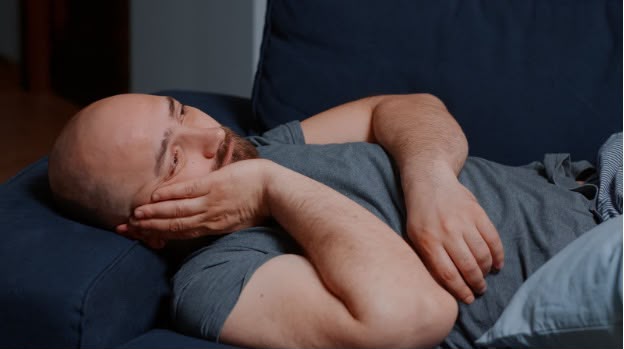
Sleeping correctly after a hair transplant is one of those things that sounds simple in the consultation room but turns out to be surprisingly hard to get right on the first night. You’re lying down in an unfamiliar position, you’re tired from the procedure, your scalp is tender, and the grafts that were just placed in your head are vulnerable in ways that won’t become apparent until weeks later if something goes wrong.
Sleep is also where most preventable graft damage actually happens. During the day, patients are alert and aware of where their head is. At night, they’re not — and unconscious movements, pressure from a pillow at the wrong angle, or rolling onto the recipient area can dislodge grafts that are still in their earliest phase of integration. The grafts that don’t survive their first nights don’t grow back. Whatever density they were going to contribute is lost permanently.
This guide walks through how to sleep safely after a hair transplant. The right position, how to set up your pillows, how long each restriction applies, what to do if you’re someone who normally sleeps on their stomach or side, and the small details that make a meaningful difference to graft survival during the most vulnerable window.
Why Sleep Position Matters So Much
Grafts in the first week after a hair transplant are held in place by very little. The implantation channels close around them gradually. A fibrin seal forms in the first 24-48 hours. New blood vessels begin growing to supply the transplanted follicles during the first one to two weeks. Until all of this is complete, the grafts can be mechanically dislodged by surprisingly modest amounts of pressure or friction.
Three specific things sleep can do wrong:
- Direct pressure on the recipient area. Lying with the treated zone in contact with a pillow puts mechanical force on grafts that haven’t yet anchored themselves. A graft that gets pressed into the pillow for hours overnight can shift, lose its alignment with the channel, or be pulled out entirely when you turn your head.
- Friction from rubbing against pillow fabric. Even without direct downward pressure, repeated rubbing as you shift during sleep can dislodge grafts. Pillowcases — especially textured ones — create more friction than people realize.
- Sleeping flat without elevation. Without head elevation in the first few nights, gravity moves fluid into the scalp and face, causing significantly more swelling than necessary. The swelling itself isn’t dangerous to grafts, but it’s uncomfortable, it lasts longer, and it can mask other problems.
Getting sleep right isn’t about following arbitrary rules — it’s about giving the grafts the still, undisturbed environment they need during their most vulnerable period.
The Correct Sleep Position: Back, Elevated
The standard recommendation is to sleep on your back with your head elevated at roughly 45 degrees during the first three to five nights after a hair transplant.
On your back means the recipient area is facing upward, not pressed against a pillow. If the hairline and frontal zone were treated, this keeps the grafts off the pillow surface entirely. The back of the head, where the donor extractions were performed, can rest against the pillow because the donor area heals differently and isn’t vulnerable to graft dislodgement in the same way.
Elevated at 45 degrees means your head and upper torso are raised above your lower body. This isn’t a small adjustment — it’s a significant incline, more than just an extra pillow under your head. The angle does two things: it reduces the gravitational movement of fluid toward the scalp (limiting swelling), and it makes it physically harder to roll onto your side without waking up.
The combination — flat on your back, head and shoulders raised at 45 degrees — is the position that minimizes both pressure on the grafts and the secondary problems that come from sleeping flat.
How to Set Up Your Sleep Environment
The right position is only useful if your bed setup actually supports it. A few specific arrangements work well:
- Recliner or reclining chair. The easiest solution. A recliner naturally maintains the 45-degree angle, prevents you from rolling onto your side, and supports your head and neck in a stable position. Many patients sleep in recliners for the first three to five nights and report it as the most comfortable option once they get used to it.
- Wedge pillow on a regular bed. A foam wedge pillow designed for sleeping at an incline provides the 45-degree elevation without requiring a recliner. Combine it with regular pillows for head and neck support. Wedge pillows are inexpensive, widely available, and worth purchasing specifically for the recovery period.
- Stack of regular pillows. Two or three firm pillows stacked under your head and shoulders can approximate the angle, though they tend to shift during the night and don’t maintain the position as reliably as a wedge or recliner.
- Adjustable bed. If you have access to an adjustable bed, set the head elevation to roughly 45 degrees. This is the most stable solution.
One additional setup detail worth mentioning: a travel pillow — the U-shaped neck pillow used on airplanes — can help keep your head positioned correctly during sleep. Worn around the neck, it stabilizes your head and discourages rolling. Some patients find them useful for the first few nights; others find them uncomfortable. Worth trying if you’re a restless sleeper.
What to Do If You’re Normally a Side or Stomach Sleeper
The hardest situation is when you normally sleep on your side or stomach and now need to sleep on your back for nights on end. Patients who have spent decades sleeping in one position often find it genuinely difficult to adapt, particularly on the first night when fatigue from the procedure is high but the unfamiliar position prevents real rest.
A few things that help:
- Use the recliner or wedge consistently. The physical constraint matters. If you’re elevated at 45 degrees, rolling onto your side becomes mechanically harder, and the resistance often prevents the movement before you fully wake up.
- Place pillows on either side of you. Body pillows or bolsters along your sides physically prevent rolling. You’ll bump into them when you start to shift, which often wakes you enough to remember the position.
- Use a travel pillow. Worn around the neck, it stabilizes the head and reduces the side-to-side movement that often precedes a full roll.
- Sleep in shorter blocks the first night or two. Some patients find it easier to nap in three- or four-hour blocks the first night, getting up briefly between blocks to reset their position rather than trying to sleep through eight hours in an unfamiliar position.
- Accept that the first nights won’t be your best sleep. They won’t be. Trying to optimize for sleep quality in the first three to five days is the wrong goal — the goal is to protect grafts. Sleep quality returns once you’re past the most restrictive window.
If you absolutely cannot sleep on your back, communicate this to your clinic before the procedure. There are some options for positional modifications, and being honest about your sleep patterns helps your clinic give you appropriate guidance.
What to Avoid During Sleep
Beyond position, several specific things are worth actively avoiding during the first week of recovery:
- Sleeping directly on the recipient area. The single most important rule. Whichever side you face when sleeping, the recipient area shouldn’t be touching the pillow.
- Wearing a tight cap or beanie to bed. Some patients are tempted to wear something on their head while sleeping for warmth or self-consciousness about the appearance. Anything tight against the scalp can press on grafts and dislodge them. If you must cover your head, use a loose hood or scarf that doesn’t apply pressure.
- Sleeping on a textured or rough pillowcase. Friction matters. A smooth cotton or silk pillowcase creates less drag on the scalp than textured fabrics if your head shifts during sleep.
- Sleeping with the bandage too tight. If your clinic provided a head bandage covering the donor area, follow their guidance on how it should fit. Too tight can compress the area unnecessarily; too loose can shift during sleep and create problems.
- Sleeping in unfamiliar locations the first few nights. Hotel beds, couches, and other non-bed sleeping surfaces increase the likelihood of bad positioning. If you’re traveling for the procedure, sleep in a proper bed with the appropriate setup, not on whatever’s available.
- Sharing the bed with restless partners or pets. If your sleeping partner or pet moves around significantly during the night, consider sleeping separately for the first week. Being bumped or having a pet jump on you while you’re recovering creates avoidable risks.
How Long Each Sleep Restriction Applies
The strictness of sleep restrictions gradually eases over the first two weeks as the grafts move from their most vulnerable phase into more secure integration.
Nights 1–3: Strictest. On your back, elevated at 45 degrees, with active attention to position. This is the period when grafts are most vulnerable.
Nights 4–7: Slightly more flexibility. Still on your back, still elevated, but the consequences of brief lapses are slightly less severe as grafts begin to integrate. Maintain the position as a default.
Days 8–14: Elevation becomes less critical, though sleeping on the recipient area should still be avoided. Side sleeping with the recipient area facing upward (the unaffected side facing the pillow) becomes acceptable for many patients during this window. Stomach sleeping should still be avoided.
Week 3 and beyond: Most patients can return to normal sleep positions. Direct pressure on the recipient area is still worth avoiding for another week or two if comfortable, but the grafts are largely past the dislodgement-vulnerable phase by this point.
Week 4 onward: No sleep position restrictions in most cases. The grafts are fully anchored and integration is complete.
Your clinic may provide specific guidance that differs slightly from these general timelines based on your individual procedure. Their instructions take precedence.
What to Do If You Wake Up in the Wrong Position
This will happen. Even with the best setup, patients sometimes wake up in the morning and realize they’ve shifted during the night — they’re on their side, or they’ve slid down off the wedge, or somehow ended up with the recipient area pressed against the pillow.
The right response: don’t panic. A single instance of suboptimal positioning, particularly later in the night when the grafts have had several hours of stable initial healing, rarely causes complete dislodgement. The grafts that come off in this scenario are usually the most marginal ones, and the overall result is unlikely to be significantly affected.
What to do:
- Check your pillow for any visible grafts. If you see any actual grafts (small pieces with a tiny bulb attached to a short hair), photograph them and contact your clinic. They can advise on whether this represents a meaningful issue.
- Don’t try to replace the graft yourself. Once a graft has been dislodged, the channel it was in has likely closed enough that re-implanting in the same location isn’t possible without professional help.
- Improve your setup before the next night. If the position was the result of a setup issue — pillows shifting, wedge not adequate, lack of side bolsters — fix what you can.
- Be more deliberate about position before falling asleep. Sometimes simply being aware that this happened the previous night helps you wake briefly when you start to shift the next night.
The vast majority of patients who wake up in suboptimal positions don’t experience meaningful graft loss. The exception is patients who consistently sleep on the recipient area night after night during the first week, which can compound the damage. One bad night is recoverable. A pattern is more concerning.
Practical Things to Have Ready Before the Procedure
If you’re preparing for a hair transplant and want to set up your sleep environment in advance, here’s a practical checklist:
- A wedge pillow or access to a recliner.
- Two or three firm pillows for additional head and neck support.
- Smooth cotton or silk pillowcases.
- Body pillows or bolsters to place on either side of you if you’re a side sleeper.
- A travel pillow (optional, but useful for some patients).
- A loose, soft hat or scarf if you want head covering that won’t apply pressure.
- An alarm or reminder to take medications during the night if your clinic has prescribed any that need timing.
Getting this setup organized before the procedure removes one source of stress from the first night. Trying to figure out how to elevate your head and protect your grafts at 11pm on procedure day, while you’re tired and your scalp is tender, is harder than doing the same planning a week in advance.
Beyond Position: What Else Affects Sleep Recovery
Sleep itself — the quality and quantity, not just position — affects the speed and quality of recovery after a hair transplant. The healing processes that anchor grafts, build new blood vessels to supply them, and transition follicles through the early post-procedure changes all depend on adequate rest.
A few things that support better sleep recovery:
- Stay hydrated. Healing tissue needs water. Drinking adequate water throughout the day improves recovery and reduces the headaches that sometimes occur in the first few days.
- Eat well. Adequate protein and overall nutrition support tissue healing. The first few days aren’t the time for restricted eating or extreme diets.
- Avoid alcohol. Beyond the direct effects on healing, alcohol disrupts sleep quality even when it seems to make you fall asleep faster. The combination of poor sleep and impaired healing during the most vulnerable window is exactly what you want to avoid.
- Manage stress. Procedure day and the first few nights are stressful. Patients who can take time off work, avoid major obligations, and create a calm environment recover better than those trying to manage normal stressors on top of the early recovery period.
- Take prescribed medications on schedule. Pain medications, antibiotics, and any anti-inflammatories prescribed by your clinic are part of supporting early recovery. Taking them on the schedule provided helps maintain stable conditions for healing.
What This Looks Like in Practice
If you want a clear picture of what good sleep practice looks like during the first week, here’s a representative day:
Evening of procedure day: Return to your accommodation. Set up the recliner or wedge with your supportive pillows. Take any medications scheduled for that time. Eat a light meal. Position yourself at 45 degrees on your back. Sleep as well as you can — the first night is the hardest.
Mornings: Wake up and check your position. Photograph any visible grafts on the pillow if you find them. Continue with the morning wash routine, then proceed with your normal day.
Throughout days 2–7: Repeat the position protocol every night. Reset your setup before sleep. Pay attention to whether you’re shifting during the night and adjust accordingly.
Days 8–14: Gradually relax the strictness as you move into more secure healing. Begin to test side sleeping with the recipient area protected. Stomach sleeping should still wait.
Week 3: Return to normal sleep positions for most patients, though continued attention to pressure on the recipient area is reasonable for another week.
The protocol isn’t complicated, but consistency matters. Getting it right four nights out of seven doesn’t fully protect grafts — the bad nights can undo the work of the good ones.
The Practical Summary
Sleeping correctly after a hair transplant comes down to a few specific things, applied consistently for the first one to two weeks:
- Sleep on your back, not on your side or stomach.
- Elevate your head and shoulders to roughly 45 degrees.
- Use a recliner, wedge pillow, or stacked pillows to maintain the position.
- Use body pillows or bolsters to prevent rolling if you’re typically a side sleeper.
- Use smooth pillowcases to reduce friction.
- Don’t wear tight headgear to sleep.
- Don’t panic if you wake up in the wrong position once — but improve your setup to prevent it from becoming a pattern.
- Relax restrictions gradually over weeks two and three as the grafts move through their integration phases.
At Hairpol, patients receive detailed pre-procedure guidance on how to prepare their home environment for the first nights of recovery, including specific sleep position recommendations and what to have ready before they return from the clinic. The procedure is the surgical event. The first nights are where careful patient behavior protects what the procedure built. Doing this well isn’t complicated — it just requires knowing the rules in advance and committing to them through the most restrictive window.
Frequently Asked Questions (FAQ)
What's the best sleeping position after a hair transplant?
The best sleeping position after a hair transplant is on your back with your head and shoulders elevated at roughly 45 degrees. This keeps the recipient area facing upward, away from direct pressure against the pillow, and minimizes swelling by reducing gravitational fluid movement to the scalp. The position should be maintained for the first three to five nights, with gradually relaxed restrictions over the following one to two weeks. A recliner, wedge pillow, or stacked firm pillows can all be used to maintain the elevation. Side sleeping with the recipient area protected (facing upward) becomes acceptable for most patients around days 8-14, while stomach sleeping should wait until at least two to three weeks post-procedure when the grafts are fully past the dislodgement-vulnerable phase.
How long do I need to sleep elevated after a hair transplant?
Sleep with elevated head and shoulders for at least the first three to five nights after a hair transplant, with the strict elevation requirement gradually relaxing over the following week. The first three nights are most important — this is when swelling typically peaks and when grafts are most vulnerable to dislodgement from any pressure change. By nights 4-7, elevation is still recommended but slightly less critical. By the end of the second week, most patients can return to normal sleeping positions without elevation. The elevation serves two purposes: reducing gravitational fluid movement that causes swelling, and making it physically harder to roll onto the recipient area. Both purposes become less essential as healing progresses through the second week.
Can I sleep on my side after a hair transplant?
Side sleeping is not recommended during the first three to five nights after a hair transplant. During this window, you should sleep on your back with your head elevated at 45 degrees. The risk of side sleeping is that the recipient area can end up in direct contact with the pillow, putting mechanical pressure on grafts that haven't yet anchored themselves into their channels. From around days 5-7, careful side sleeping becomes acceptable for some patients if the recipient area faces upward (the unaffected side of the head touches the pillow). By days 8-14, most patients can sleep more flexibly on their sides as long as the recipient area is protected from direct pressure. By week three, normal sleep positions generally resume.
What happens if I accidentally sleep on my new hair transplant?
Accidentally sleeping on the recipient area for part of a night doesn't usually cause significant graft loss, especially if it happens later in the night when grafts have had several hours of stable initial healing. The grafts most vulnerable to dislodgement from accidental pressure are typically the most marginal ones, and overall result density is unlikely to be substantially affected by one suboptimal night. However, consistent pressure on the recipient area night after night can compound damage. If you wake up in the wrong position, check your pillow for visible grafts (small pieces with a tiny bulb attached to a short hair), photograph any you find, and contact your clinic. Don't try to replace dislodged grafts yourself. Improve your setup before the next night using body pillows, a recliner, or other positional supports to prevent the pattern from repeating.
Should I wear anything on my head to sleep after a hair transplant?
You should not wear tight caps, beanies, or any headgear that applies pressure to the recipient area while sleeping during the first one to two weeks after a hair transplant. The mechanical pressure of tight headgear can dislodge grafts during the vulnerable early integration phase. If you need head covering for warmth or self-consciousness, use a loose hood, soft scarf, or oversized cap that doesn't apply direct pressure to the grafts. Your clinic may have provided a specific protective bandage covering the donor area at the back of the scalp — follow their guidance on whether and how to wear this overnight. Most patients find that sleeping in a normal bedroom environment without head covering is the safest approach during the first week.
How do I prevent rolling onto my hair transplant during sleep?
Several strategies help prevent rolling onto the recipient area during sleep. Sleeping in a recliner is the most effective — the angled position makes side rolling mechanically difficult. A wedge pillow on a regular bed provides similar elevation and resistance to rolling. Placing body pillows or large bolsters on either side of you creates a physical barrier that wakes you when you start to shift. A U-shaped travel pillow worn around the neck stabilizes the head and reduces side-to-side movement. Some patients find it useful to set alarms during the first night to check their position. Patients who normally sleep on their sides should expect the first nights to require effort — the goal isn't ideal sleep quality during this window, it's protecting grafts. Sleep quality returns once you're past the most restrictive period in week one.
Can I sleep on my stomach after a hair transplant?
Stomach sleeping should be completely avoided during the first two to three weeks after a hair transplant. Sleeping face-down places the recipient area in direct contact with the pillow with the full weight of the head pressing down — this is the worst possible position for graft survival during the vulnerable early phase. Stomach sleepers who can't sleep in any other position should communicate this to their clinic before the procedure to discuss specific accommodations. Most stomach sleepers can adapt to back sleeping for the first two weeks with the right setup — a recliner, wedge pillow, and body pillow supports — though the adjustment is genuinely difficult. By week three, normal stomach sleeping generally becomes acceptable if grafts have integrated properly, but specific timelines should follow your clinic's guidance based on your individual procedure.
What kind of pillow should I use after a hair transplant?
A wedge pillow designed for inclined sleeping is the most useful piece of equipment for the first week after a hair transplant. It provides the 45-degree elevation without requiring a recliner, and it's inexpensive and widely available. Combine the wedge with two or three regular firm pillows for additional head and neck support. The pillowcase fabric matters — smooth cotton or silk creates less friction against the scalp than textured fabrics, reducing the risk of grafts being dragged by movement during sleep. Avoid memory foam pillows that conform tightly to the head, as these can hold the scalp in fixed contact in ways that may not allow position changes. A travel pillow worn around the neck is a useful supplement for restless sleepers. Having this setup ready before the procedure removes one source of stress from the first night of recovery.
