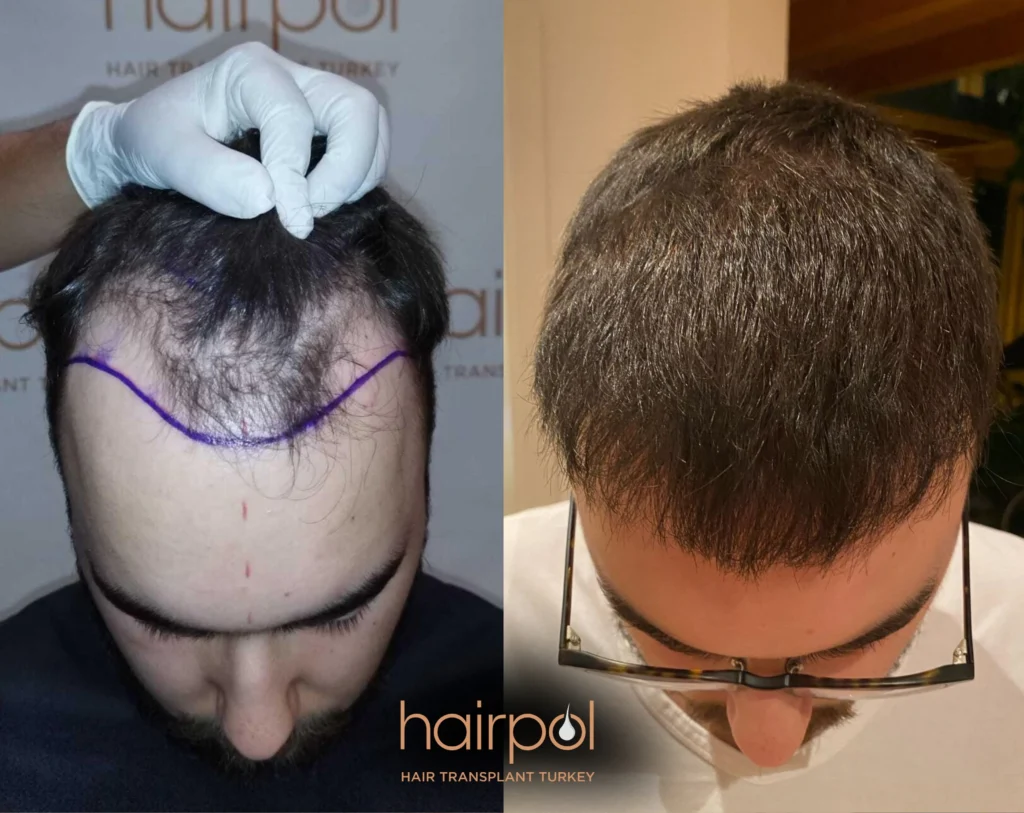
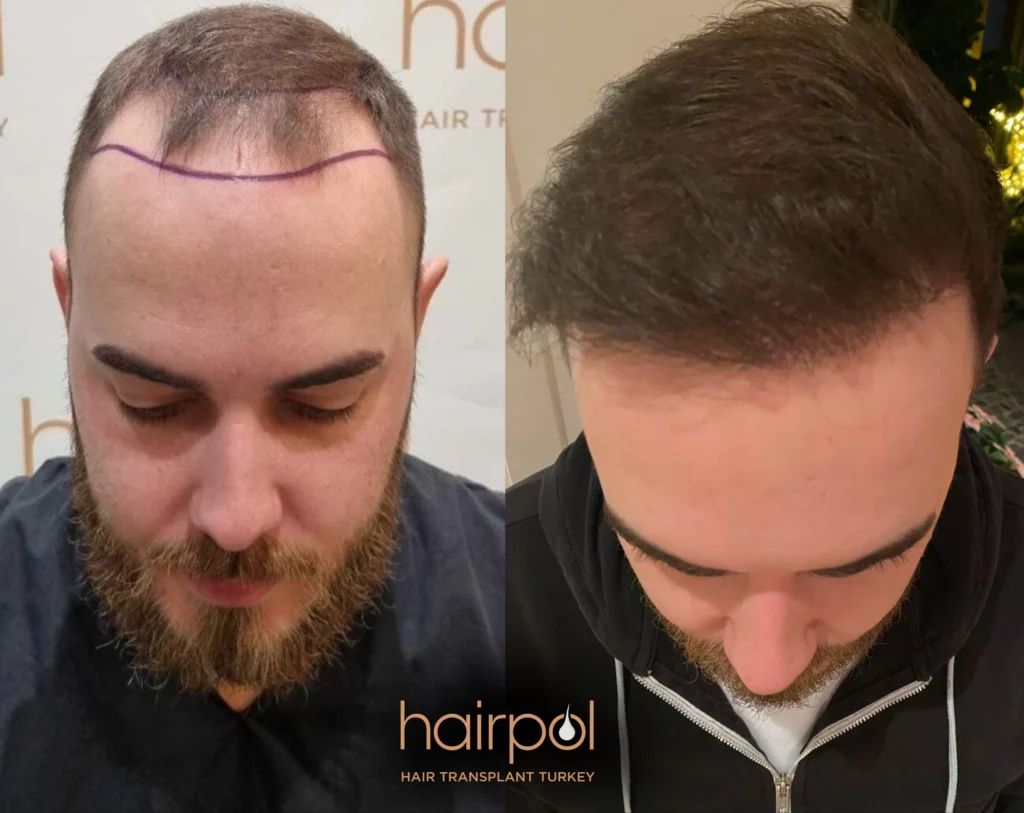
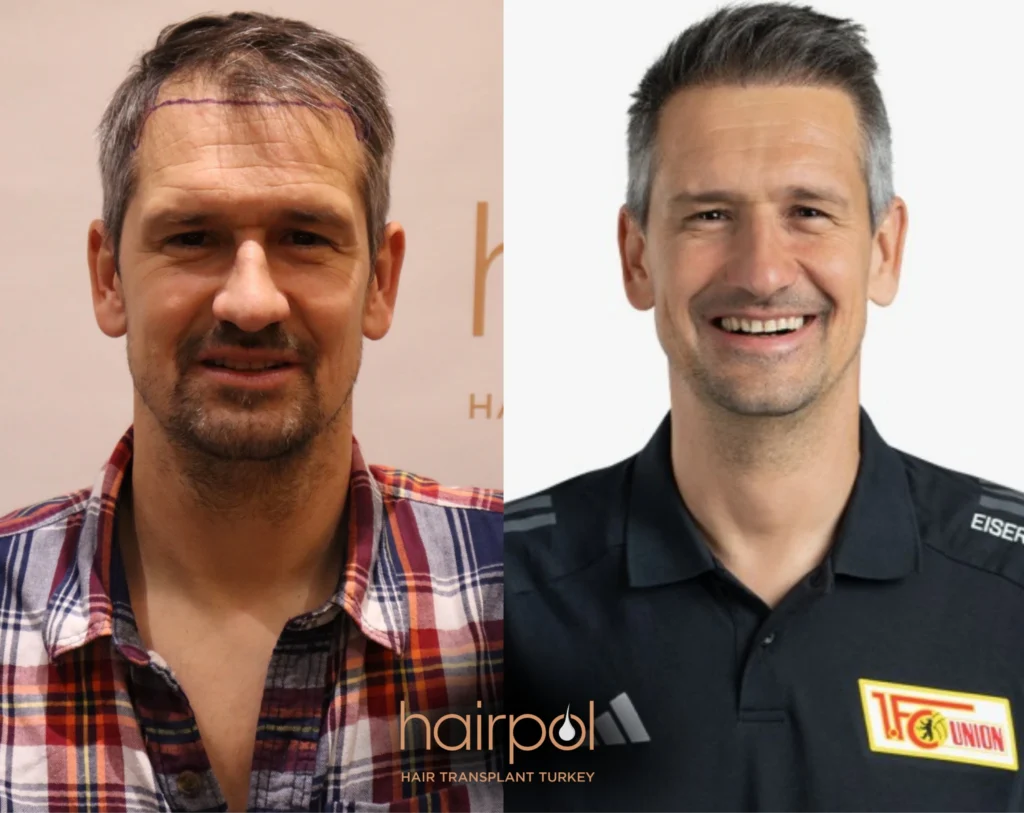
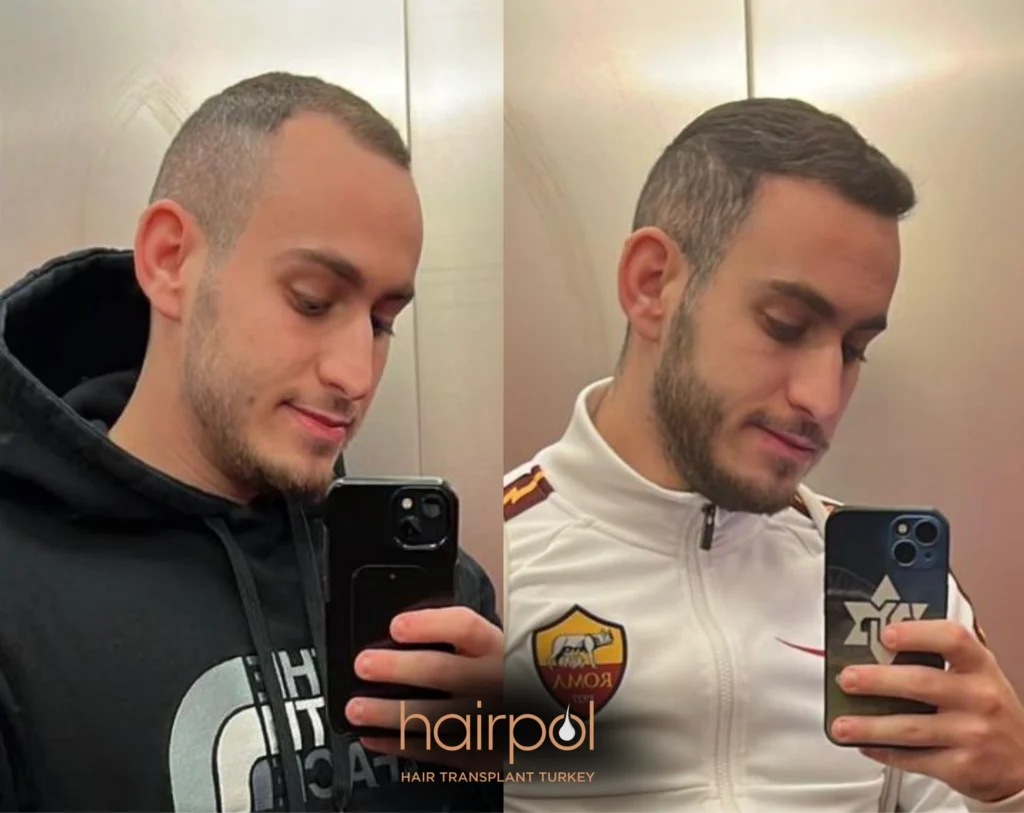
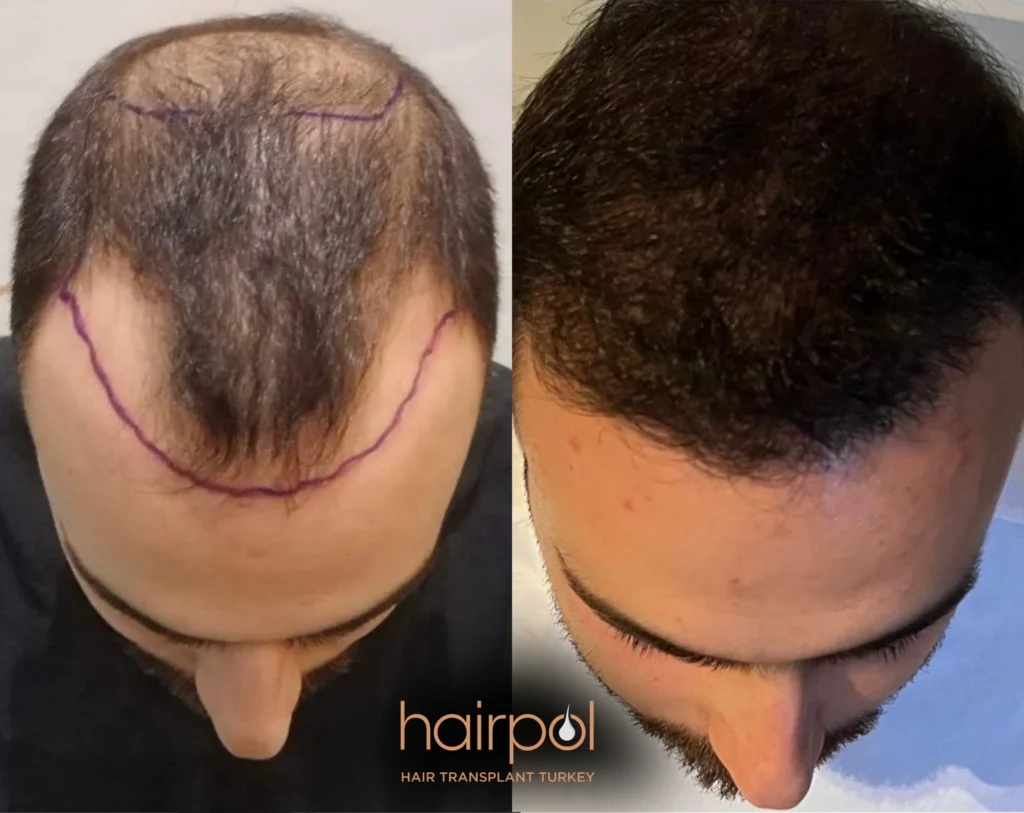
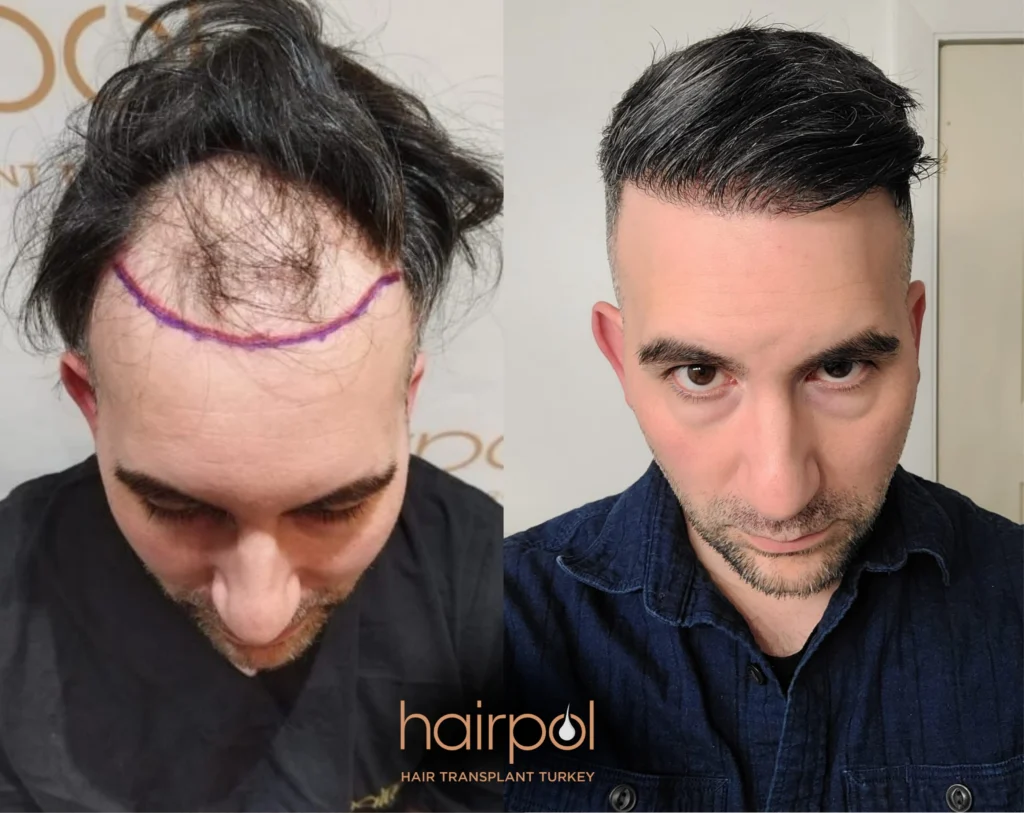
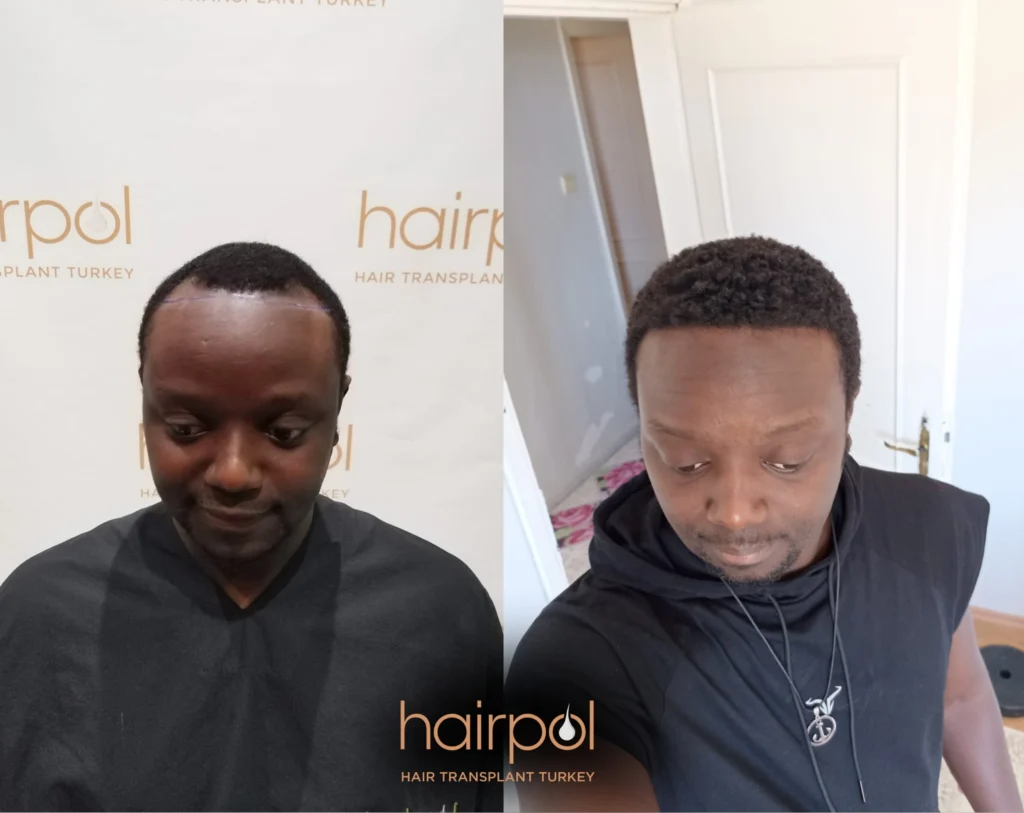
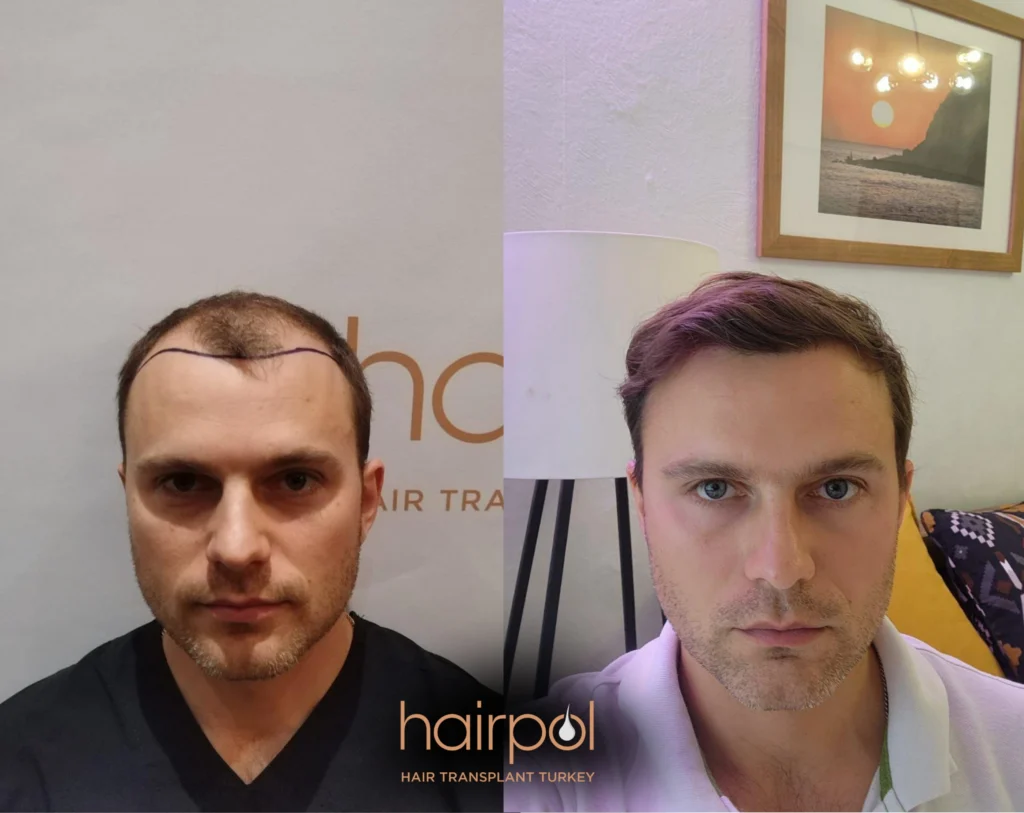
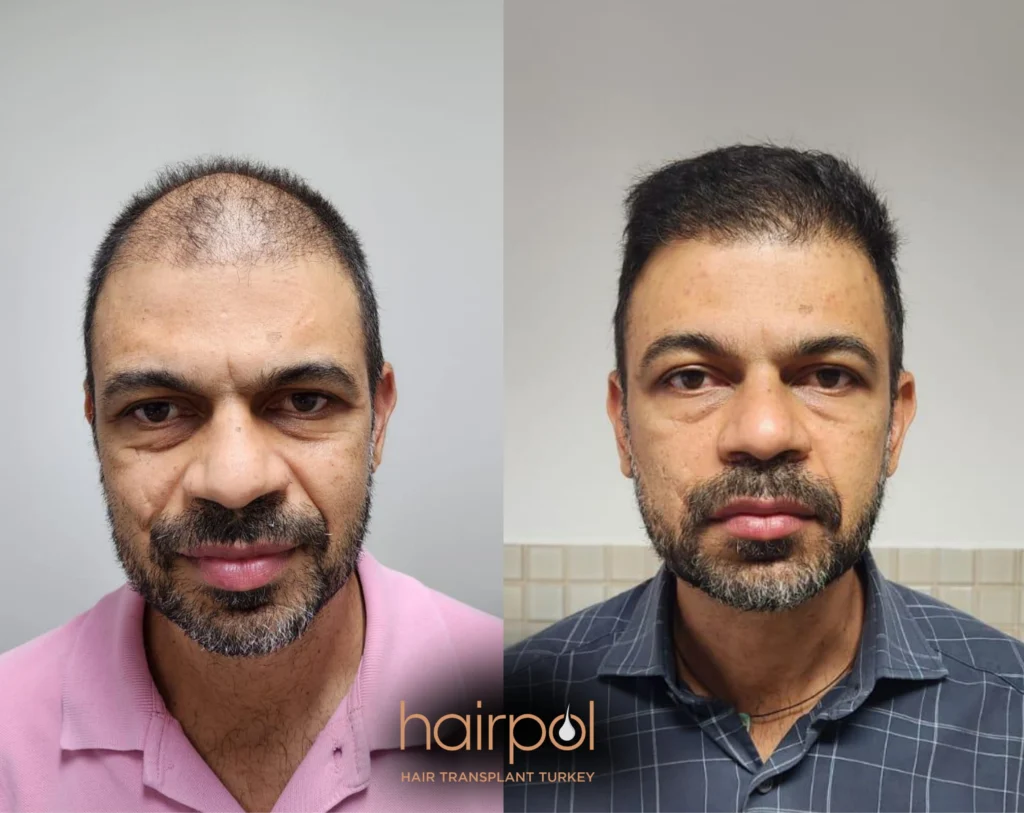
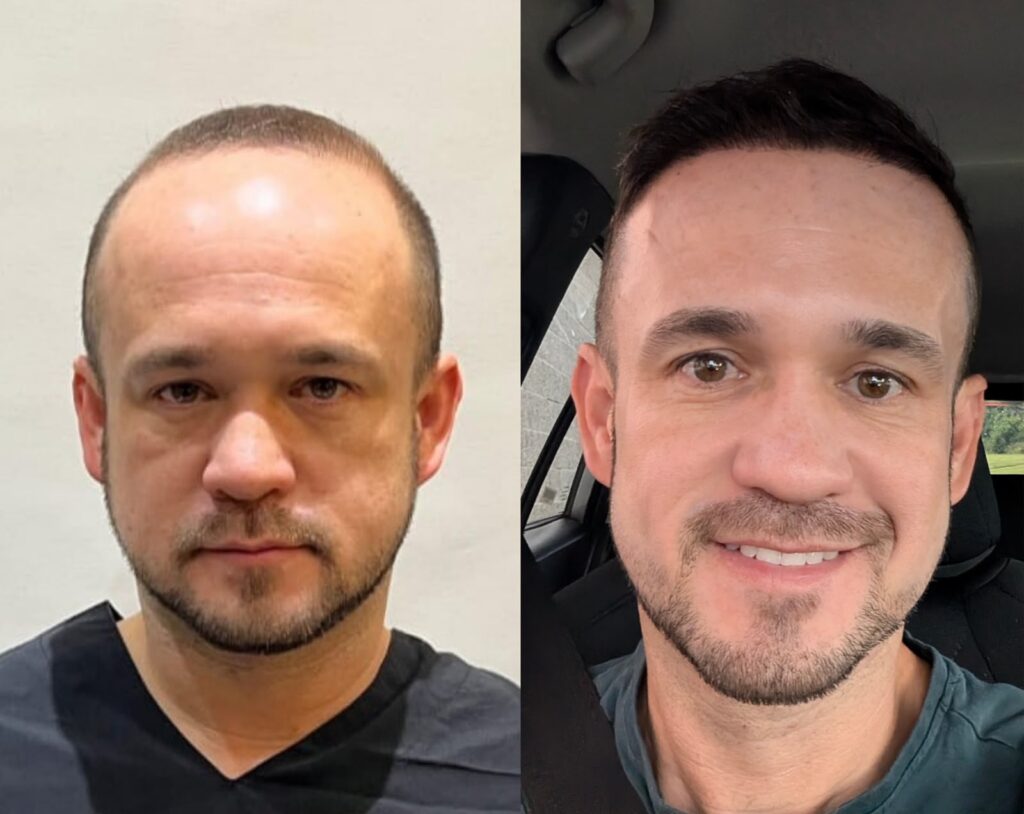
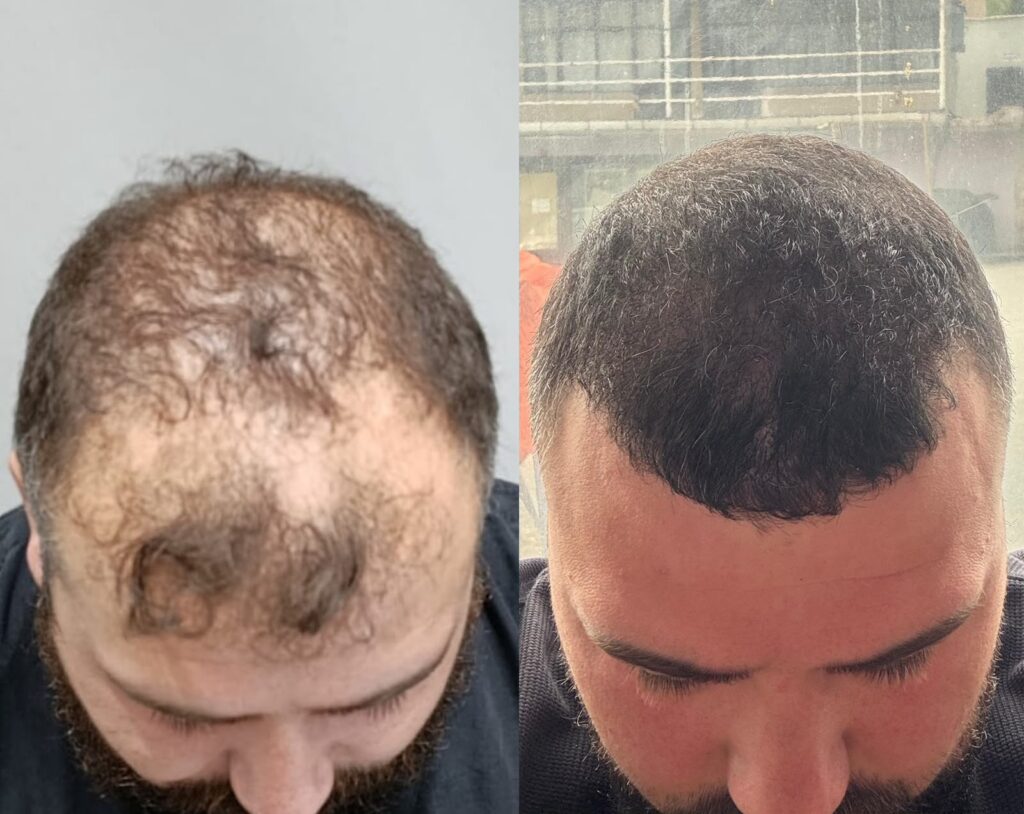
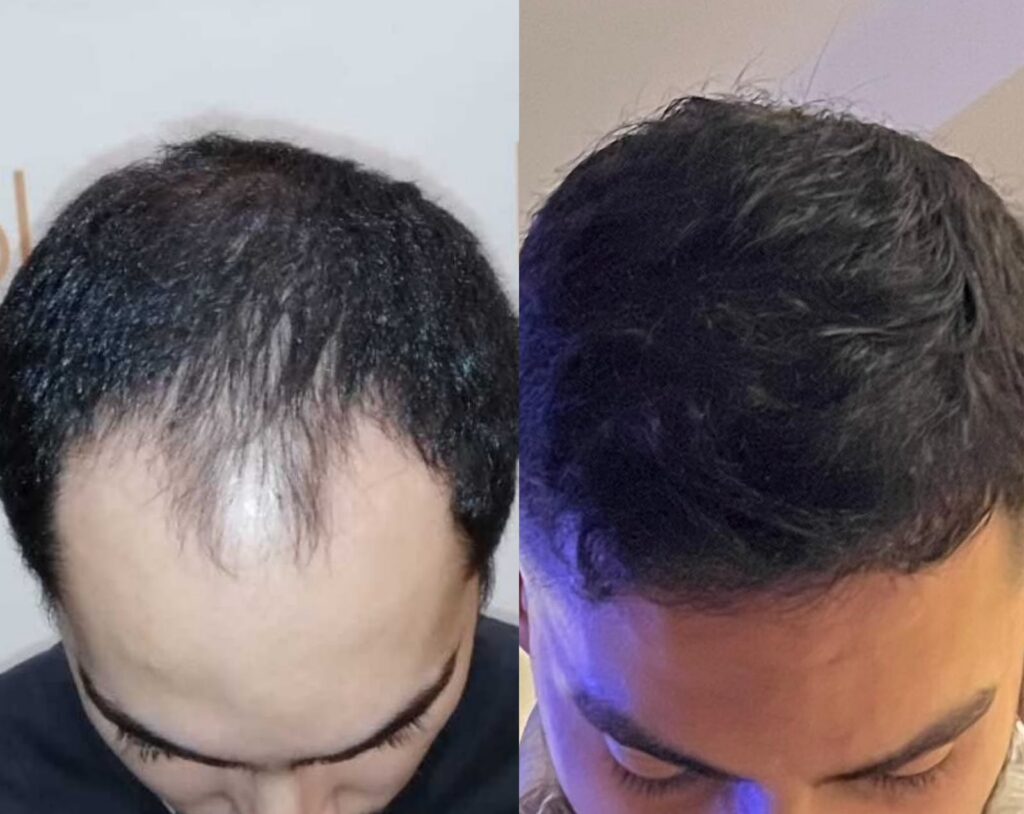
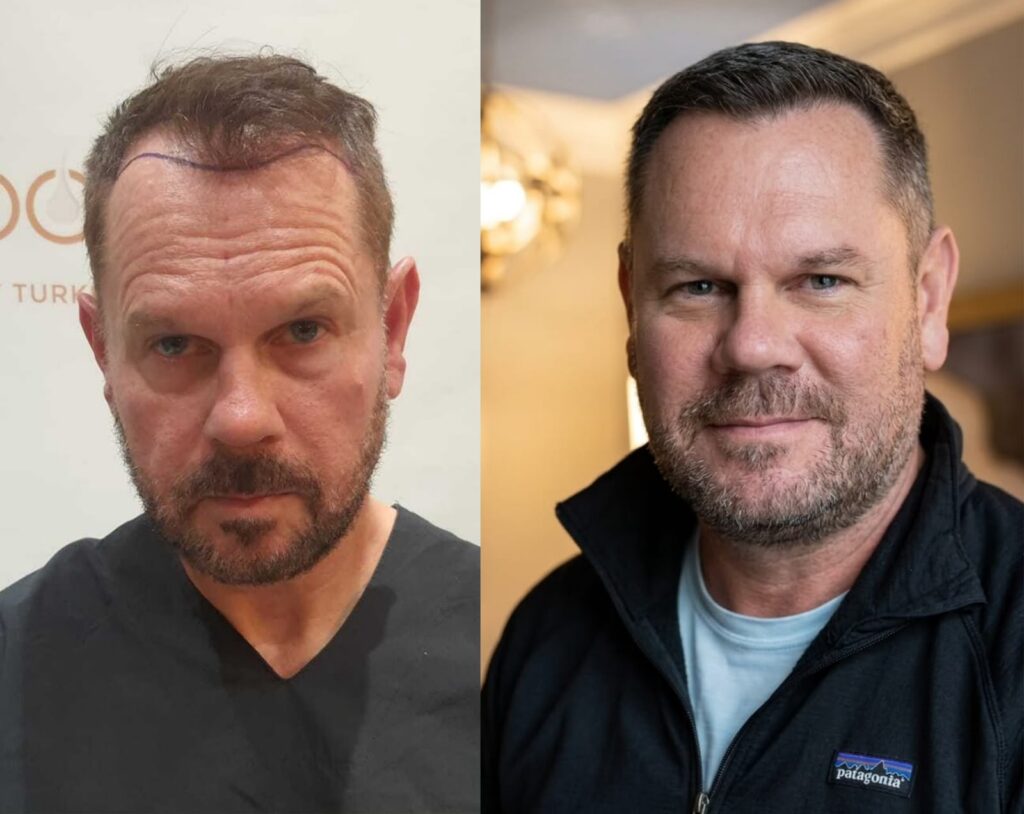
Hair loss is a slow process, and by the time most people start looking at surgery they have spent months reading advice that contradicts itself. Turkey comes up in almost every one of those searches. This page explains what a hair transplant in Turkey actually involves — from the first message you send a clinic to the point, roughly a year later, when the result can fairly be judged.
Hairpol is a hair transplant clinic in Ataşehir, Istanbul. We treat patients travelling from abroad as well as people living in Turkey, in English, Turkish and German.
Why patients look at Turkey for hair restoration
A large and established surgical sector
Turkey has a well-developed hair restoration sector, and Istanbul in particular has a high concentration of clinics. Teams here perform the procedure as routine work rather than occasionally. But volume raises the average level of technical familiarity; it does not raise standards on its own.
Travel that actually works
Istanbul is served by two international airports with wide route networks across Europe, the Middle East, Africa and Asia, so many patients reach the city on a direct flight. Clinics here are used to coordinating arrivals, hotels and transfers around a surgical date.
Cost differences are real, but they are not the whole story
Staffing costs, facility costs and exchange rates mean the same procedure is generally more affordable in Turkey than in much of Western Europe or North America. That difference is genuine. The problem is that price is where most poor decisions get made: patients compare two numbers without knowing whether they describe the same thing.
The part that is discussed less often
High demand attracts intermediaries. Much of what patients find online is sold by agencies and brokers rather than by the clinic performing the surgery, which is how people end up meeting their surgeon for the first time on the morning of the procedure — or not at all. Choosing carefully matters more when you book from abroad, not less.
The techniques we work with
Hair transplantation moves living follicles from an area genetically resistant to loss — usually the back and sides of the scalp — into an area that has thinned. Techniques differ in how follicles are removed and placed.
FUE — follicular unit extraction
Follicular units are removed one by one from the donor area with a small punch, then placed into channels opened in the recipient area. There is no linear strip and no long scar, though extraction leaves very small dot marks, usually inconspicuous once hair grows out.
Sapphire FUE
A variant of FUE in which recipient channels are opened with sapphire-tipped blades rather than steel, aiming at finer channels and closer control over angle and density. Extraction is unchanged.
DHI — direct hair implantation
Follicles are loaded into a pen-shaped implanter that opens the channel and places the graft in one movement, giving close control over depth, angle and direction. It is often used for hairline work and for adding density between existing hairs, and is slower per graft.
Beyond scalp hair
We also perform hair transplantation for women, beard and eyebrow transplantation, and afro hair transplantation, which needs slower extraction because of the curl of the follicle beneath the skin. Alongside surgery we offer non-surgical hair treatments including PRP and stem cell based treatments, sometimes recommended to support existing hair.
No technique is universally better. The right choice depends on your donor area, hair characteristics and the area being treated. Be cautious with any clinic advertising one method as the answer for everybody.
Who is a suitable candidate — and who is not, yet
Surgery suits some people and not others, and a clinic that never says no is not being straight with you. The assessment covers:
- Whether your hair loss pattern is established enough to plan around, or still changing
- Whether the donor area holds enough healthy follicles for the area you want treated, now and later
- Your age, because a hairline designed in your early twenties has to still make sense decades later
- The cause of the loss — pattern hair loss behaves differently from scarring conditions, inflammatory scalp disease or an untreated medical problem
- General health, current medication including blood thinners, and anything affecting healing
- Whether your expectations match what a finite donor supply can deliver
Some people are advised to wait, or to try medical treatment first. Some are told the density they are picturing is not achievable with the donor hair available, and that a more conservative plan will look better in the long run.
The procedure, step by step
- Consultation and examination. The scalp is assessed under magnification, donor density checked and the likely progression of your loss discussed. Blood tests are taken beforehand.
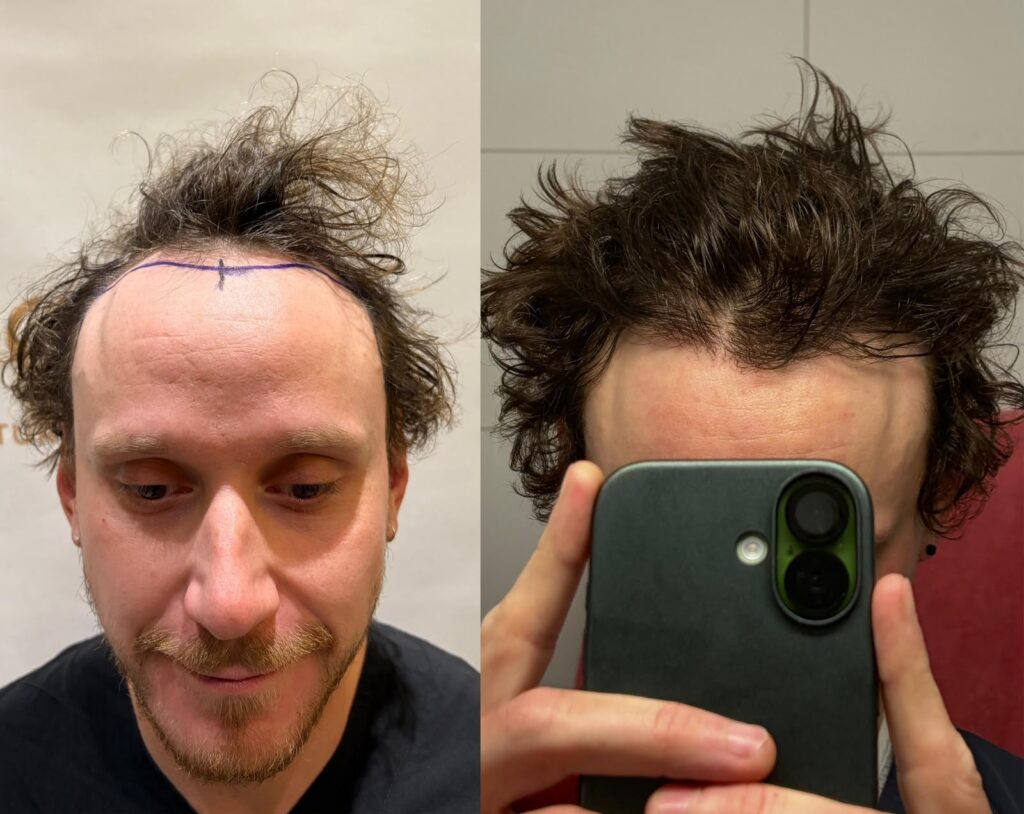
- Design. The hairline is drawn on your scalp and agreed with you before anything else happens. This stage decides whether the result looks like your own hair, and should not be rushed.
- Preparation. The donor area is trimmed. Depending on the plan, the recipient area may or may not be shaved.
- Local anaesthesia. The scalp is numbed. You remain awake throughout.
- Extraction. Follicular units are harvested and held in a preservation solution while the recipient area is prepared.
- Channel opening or direct implantation. With FUE and Sapphire FUE, channels are opened at the angle and direction of your natural growth, then grafts are placed. With DHI the two steps happen together through the implanter.
- Dressing and instructions. The donor area is dressed, medication prescribed, and you leave with written aftercare instructions.
A session typically spans most of a day, with breaks for food and rest. Larger cases may be split across two days. You return to your accommodation the same evening.
What the trip looks like for an international patient
Weeks before: assessment at a distance
It begins with photographs — front, top, crown and back of the head, taken in daylight without styling product — plus a short medical history covering conditions, medication and previous procedures. From this we can give an opinion on suitability, likely approach and the broad scale of the case. That opinion is based on images; the plan is confirmed in person.
Booking and preparation
Once a date is set you are given preparation instructions: what to stop and when, how to handle regular medication such as blood thinners with your own doctor, and what to bring. Arrange time away from work before booking flights.
Arrival and procedure day
Most patients arrive the day before surgery, with the pre-operative consultation and blood tests on that day or the following morning. The procedure itself is a full day at the clinic. Bring a button-up or zip-up top so nothing has to be pulled over your head afterwards, and something to occupy yourself — you can talk, eat and use your phone during the session.
The days after
There is a check at the clinic the following day, where the donor dressing is reviewed and you are shown exactly how to wash. Doing the first wash once under supervision removes most of the anxiety around it. Forehead swelling is common in the first days and settles on its own.
Flying home and follow-up
Many patients fly a few days after the procedure. Choose a seat where nothing rests against your head, wear a loose head covering only if the clinic approves it, and take care in boarding queues. Confirm the number of nights before booking a return flight. Follow-up then continues remotely, by phone or email, with photograph check-ins through the first year.
What determines the cost of a hair transplant in Turkey
We do not publish one figure, because there is not one procedure. The plan — and therefore the price — follows from the examination:
- The number of grafts your plan requires, and how that number was arrived at
- The technique used, and whether more than one is combined
- Session length, and whether the case runs across more than one day
- Your donor characteristics and hair type — curly and afro-textured hair takes longer to extract safely
- Whether this is a first procedure or a correction of previous work, almost always more demanding
- Who performs each stage, and how much of the surgeon’s own time the case takes
- Medication, aftercare products and the follow-up included
- What a quoted package contains — transfers, accommodation and interpreting may sit inside the number or outside
A price given before anyone has assessed your donor area is a guess. Ask for the breakdown, and what happens if the plan changes on the day.
Recovery and results: what happens when
| Period | What is typical | What matters most |
|---|---|---|
| First 48 hours | Tenderness in the donor area, small scabs forming around each graft, swelling may begin | Sleeping elevated, no pressure on the recipient area, taking prescribed medication |
| Days 3-14 | Swelling can move down towards the forehead and eyes before settling; washing begins as instructed and scabs gradually clear | Following the washing routine exactly; not picking or scratching; avoiding sweat, sun and dust |
| Weeks 2-8 | Transplanted hairs shed. This is expected and does not mean the grafts have failed | The follicle stays in place even though the hair falls out |
| Months 3-4 | Early regrowth begins, usually thin, fine and uneven | Patience; comparisons at this stage are misleading |
| Months 6-9 | Density becomes visible; texture may still differ from surrounding hair | Photographs in consistent light, for an honest comparison |
| Months 12-18 | The result settles. Crown areas are typically the slowest to mature | The point at which the outcome can fairly be assessed |
Timelines vary from person to person. Age, hair characteristics, the area treated and general health all affect the pace of regrowth.
Risks and honest limits
A hair transplant is surgery under local anaesthetic, and carries what surgery carries:
- Infection, uncommon but possible, and folliculitis in the weeks afterwards
- Numbness or tingling, usually resolving over weeks to months
- Swelling and bruising, particularly around the forehead and eyes
- Temporary shedding of existing hair around the treated area, sometimes called shock loss
- Small dot scarring in the donor area — inconspicuous in most patients, but not invisible, and more noticeable on a shaved head
- Uneven growth, or density that falls short of what was hoped for
- Continued loss of your untreated hair, which can change how the result looks over the years and may call for medical treatment or a further session
Outcomes vary from person to person and depend on medical evaluation. Be cautious with anyone who commits to a specific survival figure or a specific final appearance.
How to assess a clinic before you commit
Ask these questions, and note how readily they are answered:
- Who performs the extraction, who opens the channels and who places the grafts
- How much the surgeon does personally, and how many patients are treated in parallel on your day
- Where the procedure takes place, and whether that facility is the clinic
- Whether the plan is built from your own photographs and examination, not a template
- What the clinic will not do in your case, and why
- What the aftercare consists of, in writing, and who you contact once home
- How the quote breaks down, and what sits outside it
Warning signs are about pressure and vagueness rather than anything technical: a discount that expires today, a graft number quoted before anyone looked at your donor area, communication that runs only through a salesperson, or results shown with no context.
Continue Reading
- Hair Transplant Cost in Turkey 2026: Real Prices, Packages, and Hidden Fees
- Hair Transplant Turkey vs Europe: What's the Real Difference in Quality and Price?
- What Makes Turkey the Global Capital of Hair Transplants?
- Why Istanbul Became the World's Hair Transplant Capital
- Is It Safe to Get a Hair Transplant in Turkey? An Honest Look
- Hair Transplant in Istanbul: An International Patient Guide
- Why Do People Go to Turkey for Hair Transplants?
- Hair Transplant Recovery Day by Day: The First 30 Days
- Hair Transplant Department
- Hair Transplant Cost
- Hair Transplant Turkey Package