
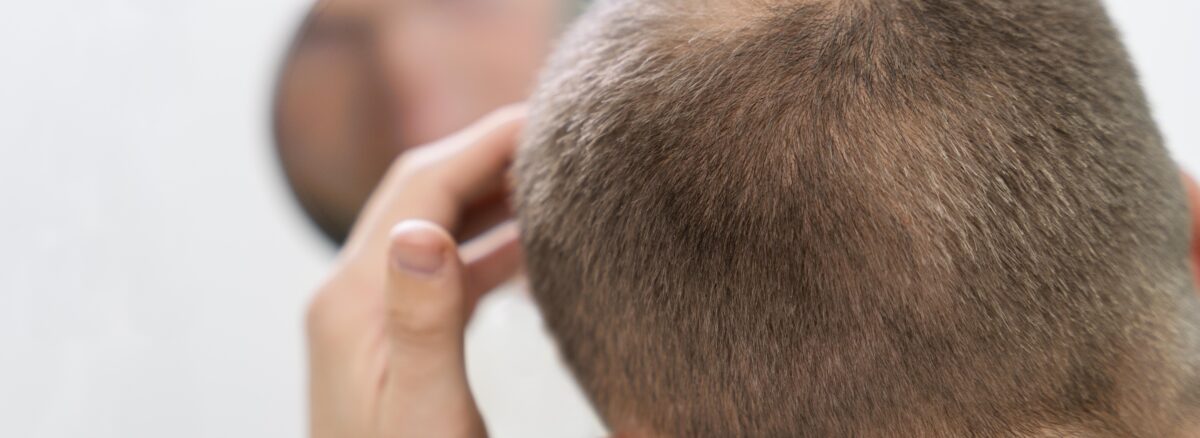
If you’ve recently had a hair transplant and you’re noticing shedding, thinning, or what looks like sudden hair loss in areas that seemed fine before, your first reaction is usually panic. It’s normal. People often assume the grafts are failing or that something went wrong.
In many cases, what you’re seeing is shock loss. It can look dramatic, especially in the first weeks, and it can feel unfair after you’ve invested time, money, and hope into the procedure.
The important thing is this: shock loss is common, it’s usually temporary, and it has a clear explanation. If you understand why it happens and where you are in the hair transplant timeline, you’ll be able to judge your progress more realistically and avoid the biggest mistake patients make: overreacting and disrupting healing.
This guide explains what shock loss is, why it happens, who is more likely to experience it, and when it typically stops.
What Is Shock Loss After a Hair Transplant?
Shock loss is temporary shedding that can happen after a hair transplant, usually affecting existing hairs in the recipient area, the donor area, or both. It can include:
- Shedding of transplanted hairs
- Shedding of native hairs around the transplanted zone
- A temporary “thinner than before” look during early healing
Shock loss is often confused with normal post-transplant shedding. They are related, but not exactly the same.
Shock Loss vs Normal Shedding
After a hair transplant, many transplanted hairs fall out in the first few weeks. This is a normal part of the process. The graft remains in the scalp, but the visible hair shaft sheds before new growth begins later.
Shock loss can include that, but it also refers to the shedding of native hairs that were already growing in the area before the procedure. Those hairs may shed because the scalp experiences stress, inflammation, and changes in blood supply during healing.
Both are usually temporary. The key difference is that shock loss can make you feel like you lost ground, especially if you had thin native hair that was helping cover the area.
Why Shock Loss Happens
Shock loss is basically your scalp reacting to a major event. A hair transplant creates controlled trauma in two places:
- The recipient area, where grafts are implanted
- The donor area, where grafts are extracted
Even with a high-quality procedure, the body responds with inflammation, swelling, and healing activity. Hair follicles, especially weak or miniaturized ones, don’t always handle that stress well.
The Main Causes of Shock Loss
Shock loss usually happens because of one or more of these factors:
- Surgical stress and inflammation
- Temporary disruption in blood flow around follicles
- Swelling that changes scalp environment briefly
- Trauma to weak, miniaturized native hairs
- Increased sensitivity during early healing
Most hair follicles can recover from this. But follicles that are already weak from pattern hair loss are more likely to shed.
That’s why shock loss is more common in people who already have thin, miniaturized hair in the transplant zone.
Who Is Most Likely to Experience Shock Loss?
Not everyone gets shock loss. Some patients barely notice it. Others see a clear drop in density temporarily.
You’re more likely to experience shock loss if:
- You had thin native hair in the recipient area
- You have diffuse thinning rather than just a receding hairline
- Your hair loss is actively progressing
- The procedure involved dense work in a zone with many miniaturized follicles
- Your scalp is sensitive or prone to inflammation
Shock loss doesn’t automatically mean your transplant will look worse long-term. But it can make the early stages look more dramatic during the hair transplant timeline.
When Shock Loss Usually Starts
Shock loss typically begins within the first few weeks after surgery. Many patients notice it somewhere between:
- Week 2 and week 8
It can start earlier or later depending on your scalp, your baseline hair quality, and how your body reacts to healing. Some people notice it right after scabs begin to fall off. Others notice it when they think recovery is “done,” which is why it catches them off guard.
The timing can be confusing because it overlaps with the normal shedding phase of transplanted hairs. This is exactly why understanding the hair transplant timeline matters. If you expect shedding, it feels manageable. If you don’t expect it, it feels like failure.
What Shock Loss Looks Like
Shock loss can look different from person to person. Common patterns include:
- A sudden drop in density in the recipient area
- Patchy thinning that wasn’t there before
- More scalp visibility under bright light
- Thinning around the hairline or mid-scalp
- Increased shedding while washing
In the donor area, shock loss can look like temporary thinning or patchiness, usually more noticeable if you keep your hair short.
In most cases, the scalp itself looks normal aside from typical post-op redness. If you see strong redness, swelling, pain, pus, or worsening inflammation, that’s not “shock loss.” That needs medical evaluation.
Does Shock Loss Mean the Grafts Are Gone?
Most of the time, no.
This is the biggest fear patients have: “My grafts fell out.”
In typical shock loss, the follicles are still there. What sheds is the hair shaft. The graft stays in the scalp and later produces new growth.
Even native hairs that shed often return as the follicle recovers. But this depends on the health of the follicle.
The Important Exception
If a native hair follicle was already severely miniaturized and close to dying, shock loss may accelerate what was going to happen anyway. In that case, the hair might not return fully. This is more common in advanced thinning zones.
This is why long-term planning matters for a natural-looking hair transplant. A good plan considers existing miniaturized hair and future progression, not just today’s appearance.
How Long Does Shock Loss Last?
Shock loss is usually temporary. For many patients, shedding slows and stops within weeks, but regrowth takes longer.
A realistic expectation is:
- Shock loss shedding may settle within 1–3 months
- Visible recovery of density often starts around months 3–6
- Continued thickening can improve through months 9–12
That range lines up with how hair cycles work and where people typically are in the hair transplant timeline.
The frustrating part is that “stopping” and “looking normal again” are two different things. Shedding may stop, but regrowth takes time.
When Does Shock Loss Stop Completely?
Most patients feel that shock loss “stops” when they stop seeing significant shedding in the shower and the scalp stops looking worse week by week.
That commonly happens by:
- Month 2 or 3
But the area may still look thin until regrowth develops. So the shedding phase can stop early, while the visual recovery takes longer.
If you’re around month 2 and you still look thinner than before, that can still be normal. Many people hit their “ugliest stage” somewhere in the early months. The hair transplant timeline is not linear. It often looks worse before it looks better.
Can Shock Loss Be Prevented?
You can’t always prevent shock loss completely, but you can reduce risk and avoid making it worse.
Shock loss risk is influenced by:
- Your baseline follicle health
- How miniaturized native hair is in the area
- Surgical technique and trauma level
- Aftercare and inflammation control
Some factors are out of your control. But some are not.
What Helps Reduce the Risk
A smoother recovery comes from:
- Gentle washing and scab care
- Avoiding scratching or rubbing the recipient area
- Avoiding early sun and excessive heat exposure
- Avoiding early intense workouts and sweating
- Not experimenting with products too soon
- Following Hairpol aftercare instructions consistently
The goal is to keep the scalp calm. Inflammation is a big driver of discomfort and prolonged redness, and it can contribute to how intense shock loss feels.
The Biggest Mistake During Shock Loss: Overreacting
When people see shedding, they often start improvising:
- adding random oils, serums, shampoos
- washing aggressively to “clean better”
- rubbing the scalp to “check”
- wearing tight hats that create friction
- stressing daily over mirror checks
Overreaction often leads to more irritation, more redness, and more anxiety. It doesn’t speed up regrowth.
A successful hair transplant recovery is boring. Consistency beats creativity.
Shock Loss in the Donor Area
Shock loss can also happen in the donor, although it’s discussed less. It may look like the donor is thinner than expected, especially if you keep hair short.
In most cases, donor shock loss is temporary. The donor region is generally more resilient, but it can still react to extraction trauma.
What Can Make Donor Shock Loss Worse
- excessive scratching due to itching
- harsh washing or scrubbing
- early sun exposure
- returning to very short haircuts too soon
- friction from helmet use without proper timing
If you ride a motorcycle, timing matters. Helmet friction and heat can irritate the donor and recipient zones if used too soon. In Hairpol aftercare planning, this is something you should take seriously so the hair transplant timeline stays smooth.
How to Tell If It’s Shock Loss or Something Else
Most shedding after transplant is normal. But you should still know warning signs that are not typical shock loss.
Signs That Need Medical Attention
- increasing pain instead of decreasing discomfort
- significant swelling that returns suddenly
- pus, bad odor, or signs of infection
- strong warmth and spreading redness
- fever or feeling unwell
- unusual bleeding
Shock loss is usually not painful and not associated with alarming symptoms. It’s more visual and emotional than medically dangerous.
If you notice anything that looks like infection or severe inflammation, the right move is to contact the clinic.
What You Should Expect Next in the Hair Transplant Timeline
Shock loss can make the early months feel like you’re moving backward. But the normal path is often:
- early healing and scab phase
- shedding phase
- quiet phase where nothing seems to happen
- gradual regrowth phase
- thickening and maturation
If you are in the shedding phase, your job is not to “fix it.” Your job is to protect the scalp, follow aftercare, and stay patient.
The people who get the best natural results are often the ones who don’t interfere.
Will the Hair Grow Back Thicker After Shock Loss?
In many cases, yes. Once the follicles return to their growth cycle, you may see gradual improvement. But “thicker” depends on:
- how healthy the follicles are
- how miniaturized native hair was before
- your genetic hair characteristics
- how well you heal
Some patients notice that areas that looked scary at month 2 look completely normal by month 6. Others may need more time.
The key is that early shock loss is not a reliable indicator of your final outcome.
What to Do If You’re Worried
If you’re worried about shock loss, the best approach is structured monitoring rather than panic.
- Take photos monthly in the same lighting
- Compare month to month, not day to day
- Focus on overall trend, not daily fluctuations
- Stay consistent with aftercare
And if something feels truly abnormal, use the support system. With Hairpol, follow-up is part of the process. It’s better to ask than to guess.
The Most Honest Summary
Shock loss after a hair transplant is common enough that you should expect the possibility, especially if you had thin native hair in the area. It happens because the scalp experiences stress and inflammation, and weaker follicles respond by shedding.
For most people, it stops within the first few months, and regrowth follows later in the hair transplant timeline. The hardest part is that the recovery phase can look worse before it looks better.
If you protect the healing scalp, avoid improvising, and follow proper aftercare, shock loss is usually a temporary chapter, not the final story.
Frequently Asked Questions (FAQ)
What is shock loss after a hair transplant?
Shock loss is temporary shedding that can happen after a hair transplant, usually affecting existing hairs in the recipient area, the donor area, or both. It can include shedding of transplanted hairs, shedding of native hairs around the transplanted zone, and a temporary “thinner than before” look during early healing.
Shock loss vs normal shedding: what’s the difference?
Normal shedding mainly refers to transplanted hairs falling out in the first weeks while the graft remains in place. Shock loss can include that, but it also refers to native hairs that were already growing in the area shedding due to stress, inflammation, and changes during healing.
Why does shock loss happen after a hair transplant?
Shock loss happens because the scalp reacts to surgical stress and controlled trauma. Inflammation, temporary changes in blood flow, swelling, and sensitivity during healing can push weaker or miniaturized follicles into a shedding phase.
Who is most likely to experience shock loss?
Shock loss is more likely if you had thin native hair in the transplant zone, have diffuse thinning, are actively losing hair, had dense work done in a miniaturized area, or have a sensitive scalp prone to inflammation.
When does shock loss usually start?
Shock loss typically starts within the first few weeks after surgery, often between week 2 and week 8. Timing can vary depending on scalp sensitivity, baseline hair quality, and how your body responds to healing.
Does shock loss mean the grafts are gone?
Most of the time, no. In typical shock loss, the follicles remain in the scalp and the hair shaft sheds. The graft stays in place and later produces new growth. In some cases, severely miniaturized native hairs may not fully return.
How long does shock loss last and when does it stop?
Shedding often settles within 1–3 months, and many patients feel shock loss “stops” by month 2 or 3 when shedding reduces and the area stops looking worse week by week. Visual recovery usually starts around months 3–6 and can continue improving through months 9–12.
Can you prevent shock loss or reduce the risk?
You can’t always prevent shock loss completely, but you can reduce risk by keeping the scalp calm. Gentle washing, avoiding scratching and friction, avoiding early sun and heat, avoiding early intense workouts, not experimenting with products, and following Hairpol aftercare instructions consistently can help.
