
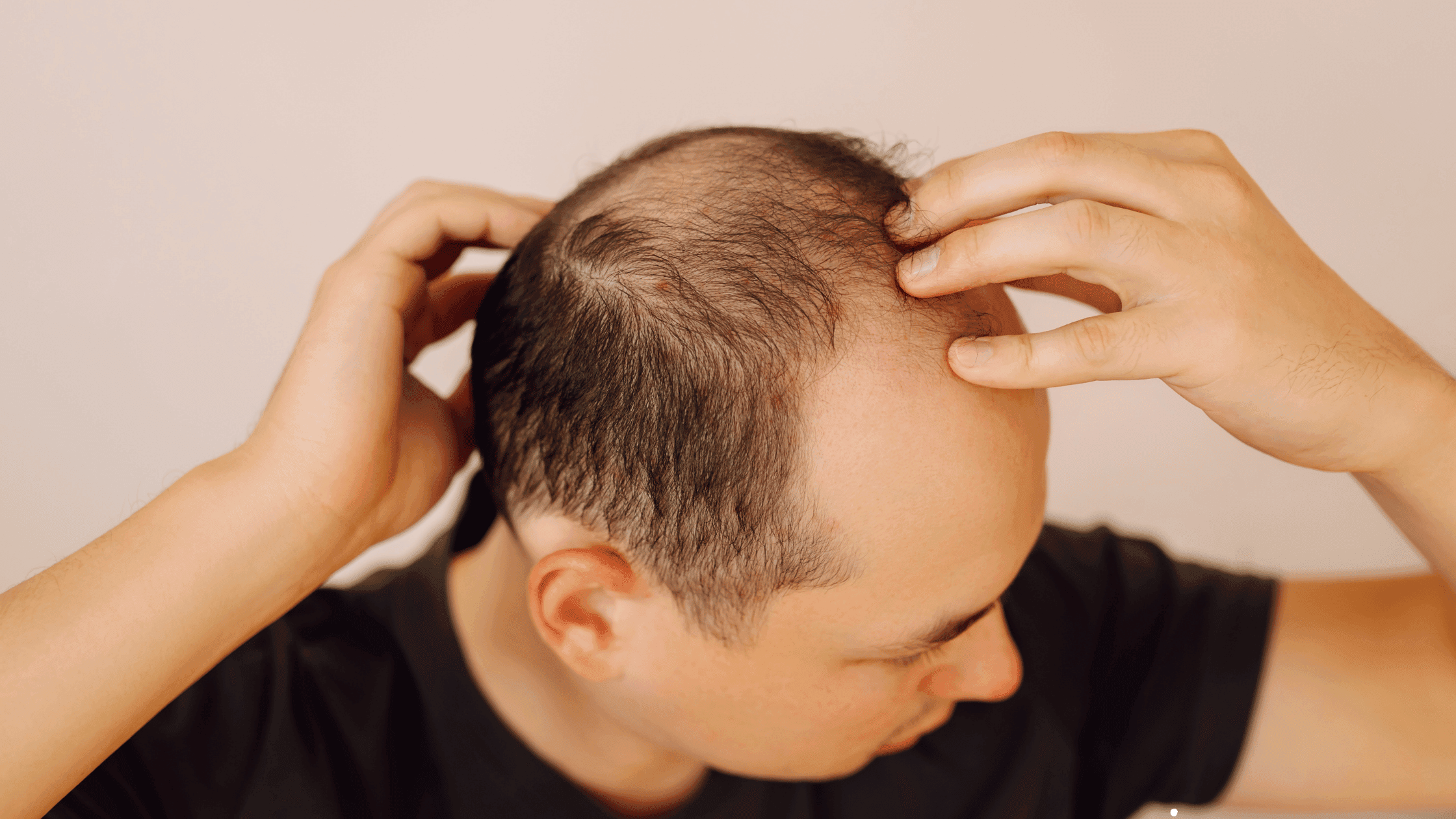
Thinning hair presents a different clinical challenge from the clearly defined recession or bald zones that characterize the most straightforward hair transplant cases. When hair is visibly sparse across a diffuse area rather than absent from a defined zone, the questions patients ask — and the honest answers they need — are different from the questions that accompany more classic presentations of hair loss.
Is a hair transplant even appropriate for thinning hair? Can you transplant into an area where hair still exists? What happens to the existing thinning hair after the procedure? Will the result look natural, and how long will it last? These are specific questions that deserve specific answers — not the generic “yes, hair transplants can help thinning hair” response that many patients receive and that tells them little about whether it’s the right solution for their particular situation.
This guide addresses thinning hair and hair transplantation specifically and honestly: what thinning hair is and what causes it, when transplantation is and isn’t appropriate, what the procedure involves when the recipient area contains existing hair, what realistic results look like, and what alternatives — and complementary approaches — should be considered before committing to surgery.
What “Thinning Hair” Actually Describes
The term “thinning hair” is used to describe several different clinical presentations that have different causes, different trajectories, and different implications for whether and how a hair transplant might help.
The most common cause of diffuse thinning — particularly in men — is androgenetic miniaturization: the gradual process by which DHT-sensitive follicles produce progressively finer, shorter hair shafts across the affected zone before eventually ceasing production. This miniaturization is what produces the diffuse thinning of the mid-scalp and crown that characterizes many Norwood Type 3 Vertex through Type 5 presentations — the hair isn’t entirely absent, but individual strands have become fine enough that the scalp shows through in ways it didn’t at a decade earlier.
A distinct presentation is diffuse unpatterned alopecia (DUPA) — a variant of androgenetic hair loss where the miniaturization affects the donor area as well as the recipient zones. This is a critical distinction for transplant candidacy: if the follicles in what appears to be the donor zone are themselves miniaturizing, they are not reliable permanent donor material. Transplanting miniaturizing donor follicles produces a result that continues to thin over years in the recipient zone — not because the surgery failed, but because the follicles that were transplanted were not genuinely permanent.
Other causes of diffuse thinning include telogen effluvium — temporary shedding triggered by physiological stress, nutritional deficiency, thyroid dysfunction, or hormonal changes — which can produce significant diffuse thinning that resolves spontaneously once the triggering factor is addressed. Transplanting during active telogen effluvium is inappropriate: the thinning may be temporary, and the procedural stress of surgery would likely worsen and prolong the effluvium.
Understanding which category a patient’s thinning falls into is the essential first step in evaluating whether a hair transplant is the appropriate solution — and it requires clinical assessment rather than assumption based on appearance alone.
When a Hair Transplant Is and Isn’t Appropriate for Thinning Hair
The most important clinical distinction for thinning hair transplant candidacy is between thinning from stable androgenetic miniaturization in a DHT-resistant donor zone and thinning from any cause that affects the donor area itself.
Appropriate candidates for hair transplantation with thinning hair share several characteristics. Their thinning follows a pattern consistent with androgenetic hair loss — typically concentrated in the crown, mid-scalp, and frontal zones while the back and sides of the scalp retain adequate density and hair caliber. Their donor area shows healthy, stable hair without the miniaturization that would make it unreliable as a source of permanent follicles. Their thinning has been relatively stable over at least one to two years, suggesting the pattern is approaching its natural endpoint rather than still actively progressing. And ideally, they have tried and responded to medical management — at minimum finasteride and minoxidil — giving the existing thinning hair the best available medical support before adding surgery to the protocol.
Inappropriate or higher-risk candidates include patients with DUPA, where donor zone miniaturization means the available follicles are not reliably permanent; patients with active telogen effluvium, where the thinning may be temporary and transplantation would be performed on an unstable baseline; patients with autoimmune conditions like alopecia areata that produce unpatterned hair loss and would attack transplanted follicles; patients whose thinning pattern suggests they will eventually need their donor supply for more extensive future coverage than a thinning-focused first session would leave available for; and very young patients whose thinning pattern is still actively evolving and whose final loss extent is genuinely unknown.
A surgical assessment that distinguishes between these categories — including scalp dermoscopy to examine individual follicle caliber in both the recipient and donor zones — is essential for any patient with diffuse thinning. A clinic that proposes transplantation for diffuse thinning without this specific assessment is skipping the evaluation that determines whether the procedure will produce lasting benefit or a result that continues thinning because the donor follicles were not reliably permanent.
The Specific Challenge: Transplanting Into Areas With Existing Hair
The technical dimension of hair transplants for thinning hair that most distinguishes it from transplants into bald zones is the presence of existing hair in the recipient area. This creates specific challenges that affect both the surgical approach and what the result can realistically achieve.
When grafts are implanted into a recipient area that still has existing hair, the channels created for implantation must be made without damaging the existing follicles. This is technically more demanding than creating channels in a bald zone where there is nothing to avoid. Surgeons and teams with extensive FUE experience in thinning recipient areas develop the spatial awareness and technique precision to minimize trauma to existing follicles while placing new grafts — but this skill is not universal, and the risk of damaging existing hair through poorly placed implantation channels is genuine.
DHI — direct hair implantation using the Choi pen — has a specific advantage in thinning recipient areas for this reason. The single-step simultaneous channel creation and graft placement of DHI, combined with the precision of the pen instrument, allows experienced teams to implant grafts in close proximity to existing hair with less surrounding tissue trauma than the two-step channel-then-place approach of standard FUE. DHI also offers the option of avoiding shaving the recipient area in some cases, which has specific practical value for thinning hair patients who want to minimize the visible impact of the procedure on their appearance during recovery.
Shock loss of existing hair in the recipient area is a specific risk that is more significant in thinning hair cases than in fully bald recipient zones, precisely because the thinning recipient area contains existing hair that can be temporarily lost to procedural stress. The tissue disruption of creating implantation channels triggers stress-related telogen entry in neighboring follicles — the mechanism of shock loss — and in a thinning recipient area this means existing hair that was providing coverage can be temporarily absent during the recovery period. For patients who entered the procedure with enough hair to conceal their thinning under normal circumstances, the shock loss period can produce a more dramatically visible change than they anticipated. This is worth discussing explicitly in consultation — the first two to four months after the procedure may look worse than before, before the combined growth of transplanted and recovered native hair produces the improved result.
The Density Reality: What a Transplant Can Add to Thinning Hair
One of the most important expectation-setting conversations for thinning hair transplant candidates concerns what density the procedure can realistically add and what the combined result of transplanted and existing hair will look like.
Transplantation into a thinning area adds follicular units at the target density the procedure is planned for — typically 30 to 50 additional follicular units per square centimeter, depending on the existing hair density and the target outcome. These additional grafts, once established, combine with the existing thinning hair to produce a greater total density than either component alone. The visual result is typically a meaningfully fuller appearance than before the procedure.
What the result will not produce is the appearance of native dense hair, for two reasons. First, the combined density of existing thinning hair plus transplanted grafts rarely reaches the 80 to 100 follicular units per square centimeter of non-affected native scalp. Second, the existing thinning hair is miniaturized — producing finer, shorter shafts than fully healthy follicles — which means its visual contribution to density per follicle is lower than the same number of healthy follicles would provide.
The practical appearance of a good outcome for thinning hair is genuinely fuller hair across the treated area — more coverage, better concealment of the scalp, a less sparse overall look — rather than the transformation from visible baldness to full hair that characterizes results in bald zones. For patients whose primary concern is the visible thinness of their hair rather than defined bald areas, this improvement can be highly satisfying. For patients whose expectation is identical density to their hair before it started thinning, that expectation requires recalibration before committing to the procedure.
The Ongoing Native Hair Problem: Why Results Evolve
The most significant long-term challenge in hair transplants for thinning hair — and the challenge most directly related to patient satisfaction at five and ten years — is the continued progression of the native thinning that was present at the time of the procedure.
Transplanted follicles from the permanent donor zone are DHT-resistant and permanent in their new location. The existing thinning hair in the recipient area is not DHT-resistant. It will continue to miniaturize and eventually be lost following its genetic trajectory, regardless of the transplant procedure. The procedure adds permanent transplanted follicles to the mix, but it doesn’t stop the ongoing thinning of the native hair around and between them.
At year one, the result reflects the combination of transplanted hair, recovered shocked native hair, and whatever thinning native hair remains. At year five, the picture may look meaningfully different as native hair has continued its progression. At year ten, thinning patients who didn’t manage their ongoing native hair loss medically may find that the result looks less full than it did at twelve months — not because the transplanted hair has changed, but because the native thinning hair that was providing coverage alongside it has continued to be lost.
This is why finasteride and minoxidil, started before or at the time of the procedure and maintained consistently, are so specifically important for thinning hair transplant patients. The existing thinning hair that contributes to the overall coverage picture is the population most directly protected by medical management. Patients who have a thinning hair transplant without committing to medical management are accepting that the native thinning hair — which is contributing significantly to the outcome they’re paying for — will continue to progress on its natural timeline without any intervention to slow it.
Medical Management First: The Argument for Trying Before Surgery
For many patients with diffuse thinning, the appropriate clinical pathway is not “consult for hair transplant” but “start medical management, assess response, and reconsider surgery if needed.” This deserves explicit statement because it represents a genuinely different recommendation from what some clinics provide, and because it reflects what’s actually in the patient’s interest rather than what generates procedure bookings.
Finasteride and minoxidil, in patients who respond well, can produce meaningful improvement in diffuse thinning over twelve to eighteen months of consistent use. The improvement includes both slowing of ongoing thinning and, in some patients, partial reversal of miniaturization — follicles that were producing fine, sparse hairs regaining some of their original function. For patients who achieve satisfying density improvement through medical management alone, surgery may not be necessary at all, or may be appropriate only after medical management has established its baseline and shown where improvement remains insufficient.
Patients who try medical management for twelve to eighteen months and find it insufficient — who are still significantly bothered by their thinning despite adequate response to medication — are in a better position to assess their need for surgery than those who haven’t tried it. They have a stable medical baseline, a clearer picture of their natural progression rate on medication, and a more realistic sense of what their thinning looks like under the best available medical conditions — making surgical planning more accurate and surgical expectations more realistic.
The argument for trying medical management before surgery is also practical from a donor supply perspective. Surgery uses donor supply; medical management doesn’t. If medical management produces adequate improvement, donor supply is preserved for potential future needs rather than used to supplement thinning that medication might have adequately addressed.
Alternatives and Adjunctive Approaches to Consider
A complete evaluation of whether a hair transplant is the right solution for thinning hair includes consideration of approaches that may complement or, in some cases, substitute for surgical intervention.
Scalp micropigmentation — a specialized cosmetic tattooing technique that creates the visual impression of follicle dots across the scalp — can improve the appearance of diffuse thinning by reducing the color contrast between sparse hair and scalp. It doesn’t add actual hair but can make existing thinning hair appear denser by darkening the scalp between strands. For some thinning hair patients, particularly those with low contrast between hair and scalp, scalp micropigmentation combined with medical management may produce sufficient cosmetic improvement without surgery.
PRP therapy — platelet-rich plasma — has some evidence for improving hair density in androgenetic miniaturization when used consistently over time, through the growth factor mechanisms that support follicle anagen phase duration and quality. For thinning hair patients, PRP series may provide modest additional density improvement beyond what medical management alone achieves, with relatively low risk compared to surgery. The evidence base is stronger for PRP in diffuse thinning than for many other conditions, because the existing follicles present in thinning areas provide the biological substrate that PRP’s growth factors can support.
Low-level laser therapy — devices including laser combs, laser caps, and in-office laser systems — has evidence for modest improvements in hair density in androgenetic hair loss, with a safety profile that makes it a reasonable adjunctive approach for motivated patients. The evidence is less robust than for finasteride or minoxidil, but the risk profile is minimal and the additive effect for patients already on medical management may be meaningful for some.
These approaches are worth discussing in the evaluation of whether and when surgery is appropriate — not as substitutes that make surgery never appropriate, but as components of a complete management picture that may delay, reduce the scope of, or in some cases make unnecessary the surgical intervention that would otherwise be considered.
What a Genuine Assessment for Thinning Hair Transplant Should Include
Patients considering a hair transplant for thinning hair can evaluate whether the consultation they’re receiving is adequate by understanding what a genuine assessment should include.
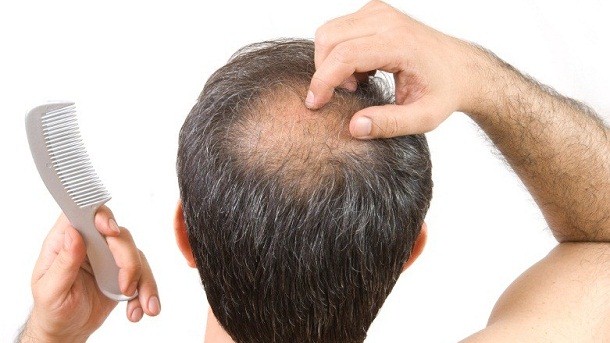
Scalp dermoscopy — examination of the scalp under magnification to assess individual follicle characteristics — should be part of the assessment for any diffuse thinning patient. Dermoscopy allows direct visualization of follicle caliber and miniaturization in both the recipient and donor zones, which is essential for identifying DUPA (where donor follicles are themselves miniaturized) and for confirming that the donor area is genuinely suitable for permanent graft harvesting.
Explicit discussion of the donor area relative to the recipient area demand is essential. For thinning hair patients who may have large areas of diffuse thinning, the graft count needed to meaningfully address the entire affected area may exceed what the donor supply can safely provide — or may use donor supply at a rate that compromises future options. This conversation should include explicit numbers: how many grafts are available, how many the proposed plan uses, and how much remains for future needs.
Discussion of medical management status and history should be part of the assessment. A patient who hasn’t tried finasteride and is presenting with diffuse androgenetic thinning is not ready for surgery until medical management has been given a genuine trial and shown insufficient improvement. A patient who has been on finasteride for two years with a stable baseline is in a different position — their medical baseline is established and surgery’s contribution to the picture is more clearly defined.
Realistic expectation-setting about the result at one year versus five years is particularly important for thinning hair cases because the five-year picture can differ significantly from the one-year picture, depending on how ongoing native hair loss is managed. Patients who understand this before committing can make decisions that include appropriate medical management as part of the complete protocol rather than treating surgery as a standalone solution.
At Hairpol, patients with diffuse thinning receive a specific assessment process that includes donor zone evaluation for miniaturization, discussion of medical management history and protocol, explicit graft count and donor supply planning, and realistic expectation-setting about both the immediate and long-term result. Because a hair transplant that produces an excellent one-year result in a thinning hair patient but continues thinning at three and five years — because the donor follicles were miniaturized, or because medical management wasn’t incorporated — is not a successful outcome regardless of how compelling the early results appear.
The Honest Answer: Is It the Right Solution?
A hair transplant is the right solution for thinning hair in patients who have: confirmed androgenetic miniaturization with a stable, healthy donor zone; thinning that has been adequately managed medically and still shows insufficient coverage; realistic expectations about what density can be added and how the result will evolve over years; and a commitment to ongoing medical management after the procedure to protect the native thinning hair that will contribute to the result alongside the transplanted grafts.
It is not the right solution for patients with DUPA, active telogen effluvium, autoimmune hair loss, or any condition affecting the donor zone’s reliability as a permanent source. It is not the right first step for patients who haven’t tried medical management and whose thinning might respond adequately to medication. And it is not the complete solution for any thinning hair patient — because the ongoing native hair loss that produced the thinning continues after the procedure, and managing it medically is as important for long-term results as the surgery itself.
The honest answer is conditional, specific, and individual. It requires evaluation rather than assumption. But for the appropriate patient, approached correctly, a hair transplant for thinning hair can produce meaningful, lasting improvement in the coverage and fullness they’ve been watching diminish — results that look natural, integrate with existing hair, and continue to look good at five and ten years with appropriate ongoing management.
