
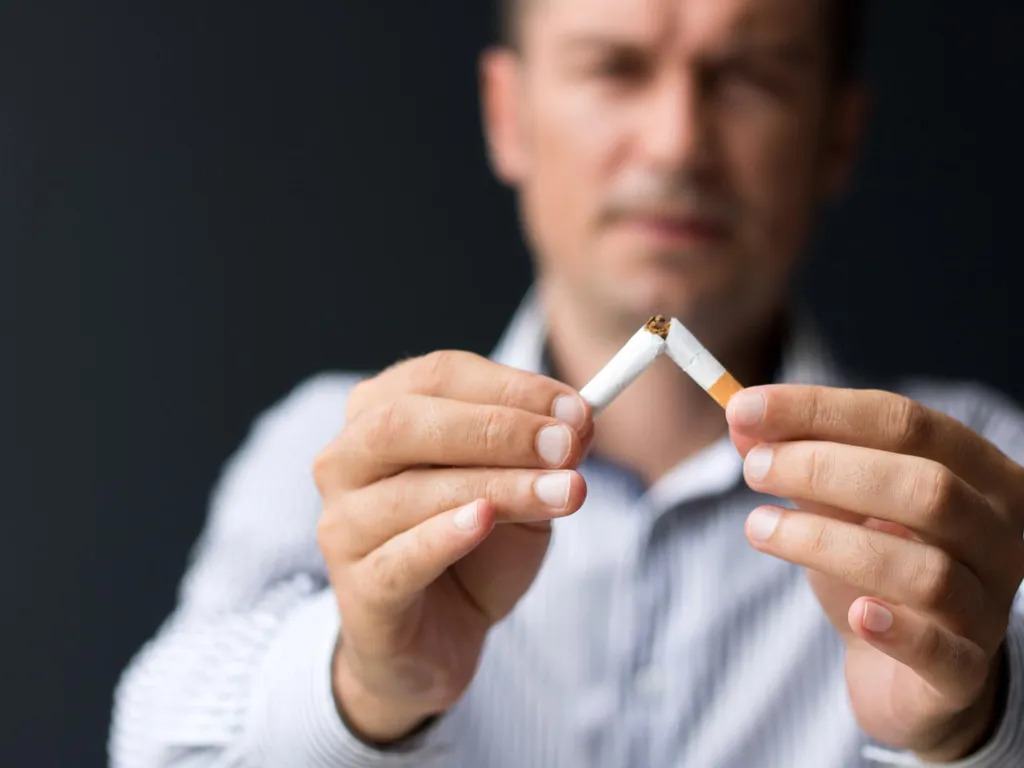
Smoking is consistently ranked among the most significant modifiable risk factors in surgical medicine — across procedures, across specialties, and across patient populations. Hair transplantation is no exception. The biological effects of nicotine and tobacco smoke on wound healing, vascular function, and tissue oxygenation are directly relevant to the specific biological processes that determine how well grafts survive and how robustly recovery proceeds.
Yet the way smoking is addressed in most hair transplant aftercare guidance — typically a brief instruction to avoid smoking for a specified period, without explanation of why — leaves patients without the specific understanding needed to genuinely appreciate the risk they’re managing. Patients who understand exactly what smoking does to the biological processes their grafts depend on are better positioned to take the recommendation seriously than those who receive it as a rule without context.
This guide covers the complete picture of how smoking affects hair transplant recovery and graft survival: the specific biological mechanisms through which tobacco smoke and nicotine impair the processes that determine outcomes, the timeline of risk, what the evidence shows about the magnitude of effect, and what practical guidance follows from this understanding.
The Core Mechanism: What Nicotine Does to Blood Vessels
The most directly relevant biological effect of nicotine on hair transplant outcomes is its action as a potent vasoconstrictor — a substance that causes blood vessels to narrow, reducing blood flow to the tissues they supply. Nicotine’s vasoconstrictive effect is immediate, occurring within minutes of smoking, and persists for roughly thirty to forty-five minutes after each cigarette before gradually diminishing until the next exposure.
In the context of a healing hair transplant, this vasoconstriction matters for a specific reason: the survival of transplanted follicles in their new location depends critically on revascularization — the growth of new blood vessels from the surrounding recipient tissue toward the implanted follicles. From the moment of extraction until new capillaries reach the grafts and establish a direct blood supply, the transplanted follicles are in a metabolically stressed state, dependent on nutrient diffusion from surrounding tissue rather than direct circulatory delivery.
Revascularization proceeds from the edges of the implantation sites inward, driven by growth factors that stimulate new capillary growth. This process requires adequate blood flow in the surrounding tissue — the capillaries growing toward the graft originate from the existing vascular network in the recipient area. When nicotine constricts these vessels, reducing blood flow to the recipient tissue, the biological scaffolding from which new capillaries must grow is compromised. Grafts that are revascularizing in tissue with nicotine-reduced blood flow are operating in a less favorable vascular environment than grafts revascularizing in tissue with normal circulation — which translates directly into lower graft survival rates.
This is not a subtle or marginal effect. Nicotine’s vasoconstrictive effect on peripheral tissue is well-documented and clinically significant — it is the mechanism responsible for the significantly worse healing outcomes that smokers demonstrate across a wide range of surgical procedures. The scalp, as peripheral tissue, is not exempt from this effect.
Carbon Monoxide: The Oxygen Displacement Problem
Nicotine’s vasoconstriction is the most direct mechanism through which smoking affects hair transplant recovery, but it operates alongside a second mechanism that compounds its effects: the displacement of oxygen in the bloodstream by carbon monoxide.
Carbon monoxide from tobacco smoke binds to hemoglobin — the oxygen-carrying protein in red blood cells — with approximately 250 times the affinity of oxygen. This means that even modest carbon monoxide exposure from cigarette smoke significantly reduces the oxygen-carrying capacity of the blood. Tissues that are already receiving reduced blood flow from nicotine-induced vasoconstriction are now receiving blood with reduced oxygen content as well.
The combined effect of reduced blood flow and reduced blood oxygen content creates a tissue environment that is meaningfully hypoxic — oxygen-depleted — compared to the environment in non-smoking patients. Healing tissue, actively dividing cells in new capillary formation, and follicle matrix cells attempting to cycle through their recovery from procedural stress all require adequate oxygen to function efficiently. Chronic hypoxia from the combined smoking effects creates exactly the unfavorable environment that compromises each of these processes.
This oxygen displacement mechanism is why even “social” or “occasional” smoking during the recovery period is not without meaningful biological effect. Each cigarette produces both immediate vasoconstriction and a period of elevated carbon monoxide binding that reduces tissue oxygen availability — effects that accumulate across multiple cigarettes daily into a sustained tissue environment that is meaningfully less supportive of healing than non-smokers experience.
Wound Healing: The Documented Surgical Evidence
The effects of smoking on wound healing have been extensively studied across surgical specialties, and the evidence is consistent and unambiguous: smokers experience significantly worse wound healing outcomes than non-smokers across essentially every measured parameter.
In the hair transplant context, the wounds requiring healing are of two types: the donor area extraction sites — the multiple small circular wounds created by FUE punch extraction — and the recipient area implantation channels. Both require healing processes that are directly impaired by the mechanisms described above.
Wound healing proceeds through a specific sequence: the inflammatory phase (immediate response to tissue injury), the proliferative phase (new tissue formation, collagen synthesis, and vascular growth), and the remodeling phase (scar maturation). Smoking impairs all three phases through multiple mechanisms.
In the inflammatory phase, smoking alters the balance of inflammatory mediators in ways that compromise the orchestrated inflammation that early wound repair requires. In the proliferative phase — the most critical for hair transplant outcomes — nicotine-induced vasoconstriction reduces the blood flow that delivers the building materials and growth factors that new tissue formation depends on, while carbon monoxide-mediated hypoxia impairs the aerobic cellular processes that proliferating cells require. Collagen synthesis — which requires both adequate oxygenation and specific enzymatic processes — is specifically impaired in smokers, producing weaker, less well-organized scar tissue.
The clinical consequences documented across surgical literature include: slower wound closure rates in smokers, higher rates of wound dehiscence (reopening), higher infection rates, more visible and irregular scar formation, and longer overall healing timelines. These are not small effects at the margins of the surgical experience — they are clinically significant differences that affect patient outcomes in ways that are observable and measurable.
Applied to hair transplant recovery, these documented impairments translate into: slower healing of donor extraction sites, higher risk of infection at both donor and recipient sites, potentially worse scarring at both sites, and the specific graft survival implications of impaired revascularization described above.
Graft Survival: The Most Directly Consequential Effect
All of the biological mechanisms above converge on the clinical outcome that matters most for hair transplant patients: graft survival — the proportion of transplanted follicles that successfully establish themselves in the recipient tissue and go on to produce permanent hair.
The research specifically examining graft survival in smoking versus non-smoking hair transplant patients is more limited than the broader surgical wound healing literature, but the available evidence is directionally consistent with what the biological mechanisms predict. Studies examining hair transplant outcomes in smokers versus non-smokers show lower graft survival rates and lower density at follow-up in smoking patients compared to non-smoking patients in equivalent procedures. The magnitude of this effect varies across studies and patient populations, but the direction is consistent.
The mechanism through which smoking reduces graft survival is revascularization failure — follicles that fail to establish adequate new blood supply in the recipient tissue enter apoptosis (programmed cell death) rather than successfully integrating. In a vascular environment compromised by nicotine-induced vasoconstriction and carbon monoxide-mediated hypoxia, the proportion of follicles that fail to establish adequate revascularization before their ischemic tolerance is exceeded is higher than in the favorable vascular environment of non-smoking patients.
The practical consequence of lower graft survival is permanent: density in the treated area is lower than the graft count would have produced in a non-smoking patient. The follicles that were lost cannot be recovered — they are permanently gone, and addressing the density deficit requires an additional procedure drawing from the same finite donor supply. This makes graft survival the highest-stakes outcome that smoking affects — not a temporary inconvenience but a permanent reduction in the result the procedure was designed to deliver.
The Pre-Procedure Window: Why Stopping Before the Surgery Matters
The instruction to stop smoking before a hair transplant — not just after — is grounded in specific biological reasoning that goes beyond simply reducing acute procedural risks.
The vasoconstrictive effects of nicotine are rapidly reversible — within hours to days of cessation, vascular reactivity begins normalizing. The carbon monoxide load in the blood clears more quickly than nicotine’s other effects, returning to near-normal levels within twelve to twenty-four hours of cessation. These rapid physiological reversals mean that even relatively brief cessation — days to a week — before the procedure meaningfully improves the baseline vascular and oxygenation status of the recipient tissue that grafts will be implanted into.
More significant benefits accumulate over longer pre-procedure cessation windows. The impairments to immune function, wound healing mechanisms, and vascular response that chronic smoking creates take longer to reverse — weeks rather than hours. The recommendation to stop smoking at least two to four weeks before the procedure reflects the timeline over which these deeper functional improvements accumulate, creating recipient tissue that is in genuinely better biological condition for graft integration than tissue that has been continuously exposed to tobacco smoke until the day of surgery.
There is also a practical argument for pre-procedure cessation that goes beyond the biological: patients who stop smoking before the procedure and maintain cessation through recovery are demonstrating a behavioral commitment that produces better recovery management generally. The pre-procedure cessation window is also an opportunity to begin managing nicotine withdrawal before the procedural stress of recovery is added, reducing the likelihood that recovery discomfort drives resumption of smoking at precisely the period when the biological stakes are highest.
The Post-Procedure Window: When the Risk Is Highest
The post-procedure period — specifically the first two to four weeks — represents the highest-risk window for smoking’s effects on graft survival, for reasons directly related to the revascularization timeline.
Revascularization of transplanted grafts begins within hours of implantation but is not established to a level that provides reliable graft support for days to weeks. The most critical period — when grafts are most dependent on the quality of the vascular environment in the surrounding recipient tissue — is the first one to two weeks. This is precisely the period during which nicotine’s vasoconstrictive effects on the recipient tissue blood vessels are most consequential for graft survival.
Smoking during this window — even occasionally, even “just a few cigarettes” — produces the vasoconstriction and oxygen displacement that compromises the vascular environment at the most critical period of the revascularization process. The common rationalization that “a few cigarettes won’t make a significant difference” is biologically inaccurate: nicotine’s vasoconstrictive effect is dose-dependent but not zero at low doses, and the combination of vasoconstriction and carbon monoxide-mediated hypoxia from even moderate smoking during this critical window creates measurable tissue hypoxia in the recipient area.
Beyond the first two weeks, as grafts become better established and revascularization is more complete, the acute risk to graft survival from smoking diminishes. But smoking’s effects on wound healing, infection risk, and the broader recovery process remain relevant through the full healing period. The ongoing impairment of collagen synthesis, immune function, and tissue oxygenation that smoking produces continues to affect the quality of scar healing in the donor area and the rate of overall recovery even after the most acute graft survival risk window has passed.
Infection Risk: The Immune Function Dimension
Beyond its vascular effects, smoking impairs immune function in ways that are directly relevant to post-transplant infection risk. Cigarette smoke contains numerous compounds that affect immune cell function — impairing the activity of neutrophils and macrophages, the primary cells responsible for early infection defense, and reducing the effectiveness of the mucosal and surface immune barriers that protect healing wounds.
The combination of impaired immune function and impaired wound healing creates a significantly elevated infection risk in the post-transplant period for smoking patients. Infection at donor extraction sites or recipient implantation channels, as covered elsewhere in this series, can compromise graft survival in the affected zone and produce worse scarring than clean-healing wounds. In smoking patients, both the likelihood of infection and the severity of its consequences when it occurs are higher than in non-smoking patients.
The impairment of immune function from smoking also affects how the body manages the inflammatory response to the procedure itself — producing a less controlled inflammatory response that can extend the period of redness and swelling compared to non-smokers, and creating conditions that are less favorable for the precise regulation of the healing phases that optimal recovery requires.
Nicotine Replacement: Is It Safer Than Smoking?
Patients who are attempting cessation often ask whether nicotine replacement therapy — patches, gums, lozenges, or nasal sprays — is acceptable during the recovery period when smoking is not. This is a legitimate question that deserves a specific answer.
Nicotine replacement therapy eliminates the carbon monoxide and the thousands of other chemical compounds in tobacco smoke that contribute to smoking’s harmful effects. In this sense, nicotine replacement is meaningfully less harmful than continued smoking during the recovery period — removing the carbon monoxide-mediated hypoxia that compounds nicotine’s vasoconstrictive effects.
However, nicotine itself — delivered through any mechanism — retains its vasoconstrictive properties. Nicotine patches, gum, and other replacement products produce the same vasoconstriction as nicotine delivered through smoking, though the delivery profile differs. Patches produce sustained lower-level nicotine exposure rather than the peaks and troughs of cigarette smoking; gum and lozenges produce more pulsatile delivery more similar to smoking’s pattern.
The honest answer is that nicotine replacement during recovery is substantially better than continued smoking, but is not equivalent to complete nicotine cessation. Complete cessation — including cessation of nicotine replacement — produces the best biological environment for graft survival and wound healing. Nicotine replacement as a step toward complete cessation around the procedure period, used to manage withdrawal while not adding the additional harms of tobacco smoke, represents a clinically reasonable middle position. Complete reliance on nicotine replacement without attempting cessation represents an improvement over smoking but not an equivalent to cessation.
Electronic cigarettes and vaping present a similar picture: significantly less harmful than tobacco cigarettes due to the absence of combustion products, but not harmless due to retained nicotine delivery and its vasoconstrictive effects. Patients who have switched from cigarettes to vaping should be counseled in the same direction — ideally complete cessation, or at minimum reduction to minimal use during the critical recovery window.
The Practical Recommendation: What Patients Should Do
Translating the biological understanding above into practical guidance produces a clear recommendation that is grounded in the specific mechanisms and risk windows described:
Stop completely at least two to four weeks before the procedure. This pre-procedure cessation window allows the acute vasoconstrictive effects to normalize quickly while beginning the longer recovery of immune function, wound healing mechanisms, and vascular responsiveness that take weeks rather than hours to improve. Patients who manage a four-week pre-procedure cessation provide their recipient tissue with meaningfully better baseline vascular and healing conditions than those who stop only on the day of surgery.
Do not smoke for at least two to four weeks after the procedure, ideally longer. The post-procedure cessation window is the most critical for graft survival. The first two weeks encompass the most vulnerable period of revascularization. The first month encompasses the period of most active wound healing in both donor and recipient areas. Cessation through this period provides the graft survival and wound healing benefits that the biological evidence supports.
If complete cessation is not achievable, significant reduction is substantially better than continuation at pre-procedure levels. This is not permission to smoke moderately during recovery — it is acknowledgment that the dose-response relationship between smoking and these biological harms means that fewer cigarettes produces less impairment than more, even if no level of smoking during recovery is without biological effect on the processes that matter for graft survival.
Nicotine replacement is preferable to continued smoking if complete cessation is not manageable. The removal of carbon monoxide and tobacco smoke compounds is a meaningful reduction in harm even when nicotine’s vasoconstrictive effects are retained.
The full recovery period — six to twelve months — benefits from smoking cessation or significant reduction. Beyond the critical first month, smoking’s ongoing effects on immune function, collagen quality, and tissue oxygenation continue to affect the quality of the complete healing process. The donor area scar maturation that continues through the first year, and the anagen re-entry and early growth of transplanted follicles that continue through months three to twelve, all proceed better in a non-smoking biological environment.
Disclosing Smoking Status to Your Surgical Team
Patients should be aware that smoking status is a relevant clinical variable that their surgical team needs to know accurately — and that providing inaccurate information about smoking history or current status to appear as a better candidate affects the quality of the clinical assessment rather than the biological reality of the risk.
Surgeons who know a patient is an active smoker can adjust their planning appropriately: discussing the specific risks in detail, incorporating the cessation recommendations into the pre-procedure protocol, potentially adjusting the graft count or session planning to account for expected lower survival rates, and planning post-procedure follow-up that anticipates the slower healing timeline that smokers typically experience.
A patient who conceals their smoking status and then smokes during the recovery period gets worse outcomes than they otherwise would — not because the surgeon could have prevented the biological effects, but because the surgical planning and aftercare guidance weren’t calibrated to the actual risk environment. Honest disclosure is not just ethically appropriate — it is in the patient’s practical interest.
At Hairpol, smoking status is discussed as part of every consultation because it is a genuine clinical variable that affects surgical planning, pre-procedure preparation guidance, and post-procedure monitoring. The recommendation is always complete cessation for the full recovery period — not because this is easily achieved, but because the biological mechanisms make clear that this is what genuinely serves the patient’s investment in their procedure.
The Honest Summary
Smoking impairs hair transplant recovery and graft survival through specific, well-characterized biological mechanisms: nicotine-induced vasoconstriction that reduces blood flow to recipient tissue during the critical revascularization window; carbon monoxide-mediated reduction in blood oxygen content that creates tissue hypoxia; impaired wound healing across all phases from inflammation through remodeling; elevated infection risk from compromised immune function; and poorer scar formation from impaired collagen synthesis.
The consequences of these impairments are not limited to a slower or more uncomfortable recovery. They directly reduce the proportion of transplanted follicles that survive to produce permanent hair — a consequence that is permanent and can only be addressed through additional procedures that draw from the same finite donor supply. The recommendation to stop smoking around the procedure is therefore not a lifestyle preference but a clinical requirement for the outcome the procedure is designed to deliver.
Patients who understand this specific biological reasoning — not just the rule, but the mechanism it reflects — are better equipped to take the recommendation seriously and to make the cessation effort that the evidence supports. The procedure is a significant investment. Smoking during the recovery period is the most directly modifiable risk factor for whether that investment delivers the result it was designed to provide.
Find this helpful? Add Hairpol as a preferred source on Google.
Get a Free Consultation
Answer a few questions and the medical team will review your situation.
