
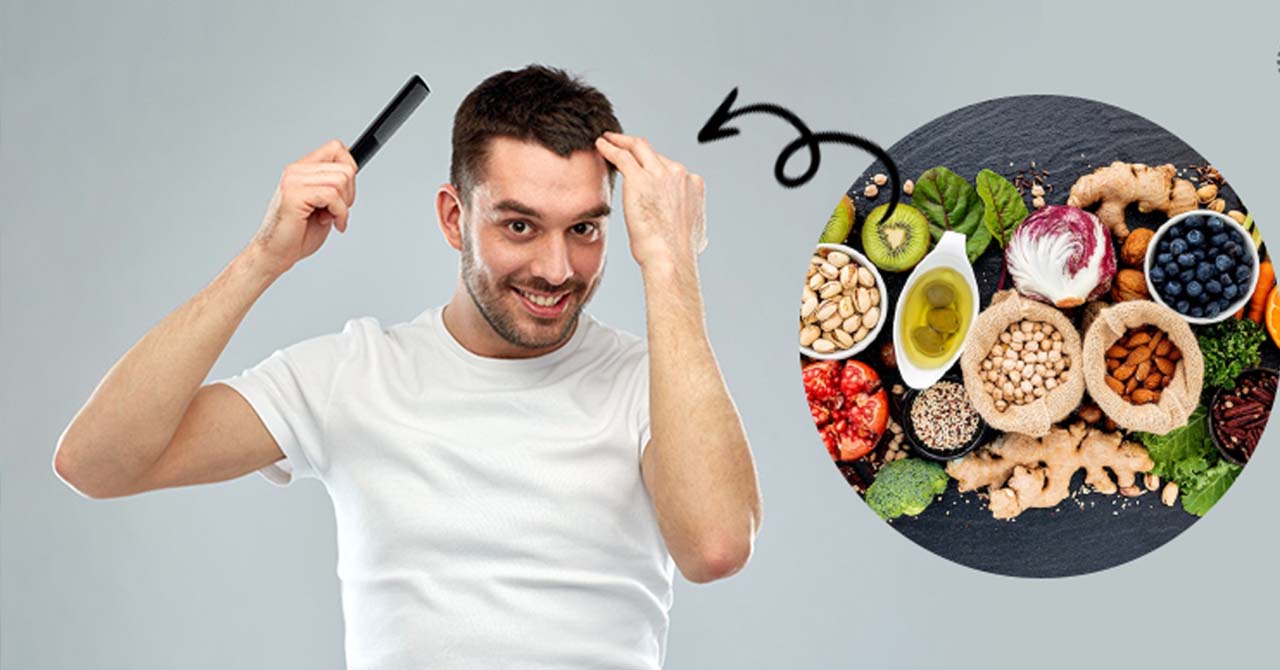
The role of nutrition in hair transplant recovery is one of the most consistently underemphasized parts of the post-procedure guidance that patients receive. Most aftercare materials cover washing protocols, activity restrictions, and sun protection in detail. Nutrition typically gets a few sentences — eat well, stay hydrated, avoid alcohol. These instructions are correct but incomplete, and the incompleteness matters because the relationship between what a patient eats and how well their grafts survive and eventually grow is more specific and more clinically meaningful than a general reminder to maintain a healthy diet.
Hair follicles are among the most metabolically active structures in the body. The biological processes that determine graft survival — revascularization, tissue integration, and eventual anagen re-entry — are energy and nutrient intensive. What the body has available nutritionally in the weeks and months following the procedure directly influences how well these processes proceed. Understanding which specific nutrients matter, at which stages, and why, is what allows patients to translate “eat well” into a practical protocol that actively supports the result they’re investing in.
This guide covers the complete nutritional picture for post-transplant recovery: the nutrients most directly relevant to graft survival and early growth, the foods that provide them most effectively, the specific things to avoid and why, and a practical framework for turning this information into daily decisions.
The Biological Context: What Grafts Need to Survive
Understanding why nutrition affects graft survival requires a brief account of what transplanted follicles are doing in the days and weeks after the procedure.
When a follicular unit is extracted from the donor area and implanted into the recipient site, it loses its established blood supply. From the moment of extraction until new blood vessels grow toward it from the surrounding tissue — a process called revascularization — the graft depends on nutrient diffusion from the surrounding tissue rather than direct circulatory delivery. This is a period of metabolic stress for the follicle, and the quality of the nutritional environment the surrounding tissue provides directly affects how the follicle navigates it.
Revascularization itself — the growth of new capillaries toward implanted follicles — is an energy and nutrient-intensive biological process. It requires adequate protein for new tissue synthesis, iron for oxygen delivery to the rapidly proliferating cells forming new vessels, vitamin C for collagen synthesis in the new capillary walls, and zinc for the enzymatic processes that support cell division. A body that is nutritionally replete for these processes supports faster and more robust revascularization than one that is nutritionally depleted.
The subsequent phase — when follicles exit telogen after shock loss and re-enter anagen to produce new permanent hair — is the phase most directly influenced by long-term nutritional status. The quality of the first anagen cycle in the new location, including the caliber and pigmentation of the hair produced, reflects the follicle’s biochemical environment during regrowth. Patients who are nutritionally well-supported through this phase consistently show earlier and more robust growth than those who are depleted.
This is the biological basis for taking nutrition seriously after a hair transplant — not as a supplement to the surgical result but as a determinant of it.
Protein: The Most Important Macronutrient for Graft Survival
Hair shafts are composed almost entirely of keratin, a structural protein, and the follicle matrix cells that produce keratin require dietary amino acids as their primary raw material. Without adequate protein intake, follicles lack the building blocks to produce hair — and at inadequate intake levels, the body prioritizes protein allocation to essential organs, leaving follicle function to operate on whatever remains.
This is not a theoretical concern. Protein deficiency produces visible hair changes — reduced shaft diameter, increased shedding, slowed growth — in a timeframe of weeks to months. In the post-transplant context, inadequate protein availability during the critical recovery period can compromise both graft survival and the quality of growth when follicles eventually re-enter anagen.
The standard recommended protein intake of 0.8 grams per kilogram of body weight per day represents a minimum for general health maintenance rather than an optimal level for tissue repair and hair growth. In the context of post-transplant recovery — where the body is simultaneously healing surgical wounds in both the donor and recipient areas and supporting follicle function — protein requirements are higher. A practical target for the recovery period is 1.2 to 1.6 grams of protein per kilogram of body weight per day.
Complete protein sources — those containing all essential amino acids in adequate quantities — are the most efficient dietary support for follicle function. Eggs are among the most nutritionally complete protein sources available, providing all essential amino acids plus biotin, vitamin D, and zinc — several of the specific nutrients relevant to hair growth in a single food. Fatty fish — salmon, mackerel, sardines — provide complete protein alongside omega-3 fatty acids and vitamin D. Poultry and lean red meat provide complete protein with the specific amino acids cysteine and methionine that are particularly important for keratin synthesis. For plant-based patients, legumes combined with whole grains, tofu, tempeh, and quinoa can provide complete amino acid profiles, though achieving the higher recovery-period target requires deliberate planning.
Specific amino acids warrant individual mention. Lysine — found in meat, fish, eggs, and legumes — is specifically important for both hair structure and iron absorption, with lysine deficiency associated with increased hair shedding in research on nutritional influences on hair loss. Cysteine and methionine, the sulfur-containing amino acids central to keratin structure, are well-represented in eggs, poultry, fish, and dairy.
Iron: The Deficiency Most Likely to Compromise Your Result
Iron deficiency is the single nutritional factor most consistently associated with compromised hair growth and increased hair shedding in the clinical literature — and also among the most common nutritional deficiencies, particularly in premenopausal women, vegetarians, and individuals with chronically low dietary iron intake.
The mechanism is direct. Iron is essential for oxygen delivery to rapidly dividing cells, and the follicle matrix cells that produce hair shafts are among the most oxygen-demanding cells in the body. Iron deficiency reduces oxygen availability to follicles, slowing or halting active growth. Follicles respond by entering telogen — the resting phase — even in the absence of the procedural stress that triggers shock loss. An iron-deficient patient entering the transplant procedure is predisposed to more pronounced and prolonged shock loss, and to slower recovery of follicles from that telogen phase.
The relevant measure is not just hemoglobin — the standard marker for anemia — but ferritin, the protein that stores iron in the body. Ferritin levels can be low even when hemoglobin is normal, representing iron depletion without frank anemia. Hair follicles appear sensitive to ferritin levels specifically, meaning a patient with normal hemoglobin but low ferritin may still be experiencing iron-related hair growth compromise that a standard anemia screen wouldn’t detect. Ferritin levels of 70 nanograms per milliliter or higher are generally considered optimal for hair growth, though reference ranges vary between laboratories.
Dietary iron exists in two forms with very different absorption rates. Heme iron — from red meat and organ meats — is absorbed at 15 to 35 percent. Non-heme iron — from plant sources including legumes, fortified cereals, spinach, and tofu — is absorbed at only 2 to 20 percent. The absorption of non-heme iron is dramatically enhanced by simultaneous vitamin C consumption — eating iron-rich plant foods with citrus, tomatoes, or bell peppers meaningfully increases absorption. Conversely, iron absorption is inhibited by tannins in tea and coffee, calcium in dairy, and phytates in whole grains — spacing these away from iron-rich meals improves the net absorption achieved.
Practical iron-supporting meals for the post-transplant period include: lentil soup with a squeeze of lemon and tomato, beef with roasted bell peppers, spinach salads dressed with citrus, and sardines eaten alongside vitamin C-rich vegetables. These pairings are not incidental — they are a practical application of the absorption chemistry.
Zinc: The Overlooked Essential for Wound Healing
Zinc is required for DNA synthesis, protein production, and the function of over 300 enzymatic reactions in the body — including the wound healing processes at both the donor extraction sites and the recipient implantation sites. For hair follicles specifically, zinc is required for the enzymatic processes supporting cell division in the follicle matrix and for the regulation of the hair growth cycle itself.
Zinc deficiency produces a characteristic pattern of hair changes — increased shedding, reduced shaft diameter, and altered hair texture — and zinc testing is a standard component of nutritional assessment in patients presenting with unexplained hair loss. In the post-transplant context, adequate zinc status supports both the tissue repair phase and the eventual regrowth phase.
The best dietary sources of zinc are oysters — providing more zinc per serving than any other commonly consumed food — followed by red meat, poultry, legumes, pumpkin seeds, hemp seeds, and cashews. Plant-based zinc sources are adequate in quantity but reduced in absorption efficiency due to phytate content, making animal sources the most practical daily zinc contributors for most patients.
Zinc supplementation is appropriate when deficiency is confirmed but not beneficial at excessive levels — excess zinc interferes with copper absorption and can produce its own nutritional imbalances. Testing zinc status and supplementing only if genuinely deficient, rather than supplementing prophylactically, is the appropriate approach.
Vitamin C: Essential for Collagen and Healing
Vitamin C serves two distinct and important functions in the post-transplant recovery context. First, it is essential for collagen synthesis — the production of the structural protein that forms the extracellular matrix of skin and the support structure of follicles. The healing of both the donor extraction sites and the recipient implantation sites depends on collagen synthesis, making adequate vitamin C directly relevant to the quality of scar tissue formed and the tissue environment in which grafts are integrating.
Second, vitamin C is a potent antioxidant that reduces the oxidative stress to which follicles are exposed during and after the surgical process. The tissue trauma of extraction and implantation generates reactive oxygen species that can damage follicle cells — vitamin C’s antioxidant activity helps mitigate this damage during the recovery period.
Practical vitamin C intake from food — citrus fruits, strawberries, kiwi, bell peppers, broccoli — is easily achieved at levels well above what supplementation typically provides. A daily diet that includes a variety of fresh fruits and vegetables provides abundant vitamin C without requiring supplementation. The iron absorption enhancement discussed above provides an additional practical reason to ensure vitamin C-rich foods are consumed alongside iron sources throughout the recovery period.
Vitamin D: The Growth Cycle Regulator
Vitamin D has emerged in research as particularly important for hair follicle cycling. Vitamin D receptors are present in hair follicle keratinocytes, and their activation appears to support the transition from telogen to anagen — precisely the transition that transplanted follicles need to make during the regrowth phase of recovery. Low vitamin D levels have been associated with various forms of hair loss, and the biological mechanism supporting its role in follicle cycling is well-established.
Vitamin D deficiency is remarkably common, particularly in populations with limited sun exposure, darker skin tones, or diets low in fatty fish and fortified foods. Blood testing is the only reliable way to assess vitamin D status — dietary intake alone doesn’t predict serum levels adequately because individual synthesis from sun exposure varies enormously. Supplementation to achieve serum levels above 30 nanograms per milliliter is appropriate when deficiency is confirmed.
The irony of the post-transplant period is that sun protection for the healing scalp — essential for preventing hyperpigmentation and prolonged redness — limits the UV exposure that would otherwise contribute to vitamin D synthesis. Patients who are diligently wearing hats outdoors for the first three months may be further reducing their sun-dependent vitamin D synthesis. This makes dietary and supplemental sources of vitamin D particularly relevant in the post-transplant period: fatty fish, egg yolks, fortified dairy, and supplementation when testing indicates deficiency.
Omega-3 Fatty Acids: Anti-Inflammatory Support
Omega-3 fatty acids — particularly EPA and DHA from marine sources — support post-transplant recovery primarily through their anti-inflammatory properties. The healing process after a hair transplant involves a necessarily orchestrated inflammatory response — inflammation is required for early wound repair — but excessive or prolonged inflammation can compromise healing quality and extend the period of redness and discomfort. Omega-3 fatty acids reduce the production of pro-inflammatory eicosanoids in a way that supports more controlled inflammatory resolution without suppressing the healing response that early recovery requires.
Omega-3s also support the vascular health relevant to revascularization — the process by which new blood vessels grow toward implanted follicles — and the scalp’s skin barrier function during the healing period.
The most practical omega-3 sources are fatty fish — salmon, mackerel, sardines, herring — consumed two to three times per week. These provide EPA and DHA directly in their active forms. Plant sources of omega-3 — walnuts, flaxseeds, chia seeds — provide the precursor ALA, which converts to EPA and DHA at low efficiency in humans. Patients who don’t eat fish should consider algae-based omega-3 supplements, which provide EPA and DHA from the same primary source that fish obtain them from.
B Vitamins: Cell Division and Growth Support
The B vitamins collectively support the cellular metabolism and DNA replication that rapid cell division in the follicle matrix requires. Several deserve specific mention in the post-transplant context.
Biotin — vitamin B7 — has become the most commercially prominent hair supplement ingredient, and its actual role deserves honest assessment. Biotin deficiency does produce hair and nail changes that reverse with supplementation, but true biotin deficiency is rare in people eating varied diets. There is no meaningful evidence that supplementing biotin above adequate levels improves hair growth in non-deficient patients. Patients spending significant money on high-dose biotin supplements without confirmed deficiency are likely experiencing expensive placebo. The more practically relevant B vitamins for hair growth are B12 and folate.
Vitamin B12 is involved in DNA synthesis and cell division, and its deficiency can cause hair loss among other effects. B12 is found exclusively in animal products — meat, fish, eggs, dairy — making supplementation essential for patients following vegan diets. Folate similarly supports DNA replication in rapidly proliferating tissues including follicle matrix cells, and is abundant in leafy green vegetables, legumes, and fortified grains.
Foods to Avoid After a Hair Transplant
Post-transplant nutritional guidance is not only about what to eat — several specific dietary factors actively compromise the recovery process and deserve explicit discussion.
Alcohol deserves the most emphasis. Beyond the standard advice to avoid it in the first two weeks, alcohol’s mechanisms of harm in the recovery period are specific and multiple. As a vasodilator, it increases scalp blood flow in ways that elevate bleeding risk from fresh wounds in the first week. It inhibits protein synthesis — directly reducing the availability of amino acids for tissue repair and follicle function. It depletes folate and B12. And it impairs sleep quality at a stage when sleep is one of the body’s primary healing tools. The instruction to avoid alcohol for the first two weeks strictly and to minimize it for the full six-month recovery period reflects these cumulative biological interferences rather than generic health advice.
Crash dieting or severe caloric restriction is one of the most consequential and least discussed nutritional risks of the recovery period. Severe caloric restriction triggers telogen effluvium — the same stress-induced hair shedding that occurs after major illness or surgery. A patient who aggressively restricts calories in the months after a hair transplant creates the nutritional conditions for increased shedding that directly competes with the regrowth they’re waiting for. The recovery period is not the time for weight loss strategies. Normal caloric intake that supports energy balance and adequate nutrient delivery is the appropriate nutritional approach throughout recovery.
High sugar intake and refined carbohydrates promote inflammatory signaling through sustained insulin spikes and can affect the hormonal environment in ways unfavorable for optimal tissue repair. Maintaining blood sugar stability through complex carbohydrates, adequate protein, and fiber supports a more favorable recovery environment than a diet dominated by processed foods and refined sugars.
Excessive sodium — from heavily processed foods — can worsen the swelling that typically peaks in the first days of recovery. While the swelling from anesthetic fluid migration is not directly caused by dietary sodium, excess sodium promotes fluid retention that can prolong and intensify the swelling component of early recovery.
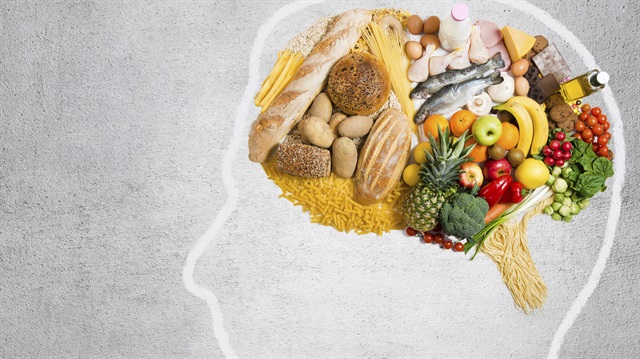
The Practical Framework: Week-by-Week Nutritional Focus
Understanding which nutritional priorities are most relevant at which stages helps patients focus their efforts appropriately rather than treating the entire recovery period as a single nutritional challenge.
In the first two weeks — the critical period for graft integration — the primary nutritional priorities are adequate protein for tissue repair, vitamin C for collagen synthesis and iron absorption enhancement, and anti-inflammatory omega-3 support. Alcohol avoidance is non-negotiable during this phase. Hydration — water intake sufficient to maintain pale yellow urine — supports the vascular function that healing tissue depends on. Practical focus: protein at every meal, vitamin C-rich foods daily, fatty fish twice weekly, no alcohol, adequate hydration.
Through months one to three — when follicles are in telogen and the regrowth phase is building below the surface — maintaining the nutritional baseline established in the first two weeks continues foundational support for follicle function. This is not a period to relax nutritional attention just because nothing visible is happening. The follicle cycling that will determine regrowth quality is occurring during this phase. Iron and ferritin status are particularly important during this period — low ferritin can slow and compromise the anagen re-entry that determines when and how robustly new growth emerges.
From month three onward — as new growth begins to appear — nutritional support for the anagen growth phase becomes the primary focus. Protein at adequate levels, iron and ferritin maintained above hair-optimal thresholds, consistent intake of the vitamins and minerals supporting cell division and keratin production, and continued omega-3 support for scalp vascular health all contribute to the quality and pace of the visible growth that patients are watching emerge.
Testing: Why Blood Work Matters
Generic dietary advice is less useful than targeted nutritional intervention based on actual blood values. The most practical nutritional support for post-transplant recovery begins with knowing which deficiencies actually exist — rather than addressing all potential deficiencies with broad supplementation that may be unnecessary in some areas and insufficient in others.
The minimum panel worth testing before or shortly after the procedure includes: ferritin — not just hemoglobin — to assess iron storage status; vitamin D serum levels; vitamin B12, particularly for patients eating plant-based diets; and zinc. This baseline identifies the deficiencies that most directly affect hair follicle function and allows supplementation to be targeted at genuine deficits rather than guessed at prophylactically.
Retesting at three to six months into recovery confirms whether nutritional status is being maintained through the regrowth phase — when the quality of anagen re-entry is being determined by the biological environment the recovering follicles are operating in.
A Day of Eating That Supports Graft Survival
Translating all of this into daily practice doesn’t require a nutritional degree or rigid meal planning. A practical eating pattern for the post-transplant recovery period looks like this:
Breakfast that includes eggs — providing complete protein, zinc, and vitamin D — with vegetables that add vitamin C. Whole grain toast adds B vitamins and folate. Coffee is fine but waited on for an hour after any iron-containing food to avoid absorption interference.
Lunch that centers on protein — chicken, fish, legumes, or beef — alongside leafy green vegetables for folate and non-heme iron. A squeeze of lemon or a citrus dressing on the greens enhances iron absorption from both the vegetables and any plant-based protein present.
Dinner twice or three times a week featuring fatty fish — salmon, sardines, mackerel — for omega-3 fatty acids, complete protein, and vitamin D. On other nights, red meat provides heme iron and zinc alongside complete protein.
Snacks that contribute protein — Greek yogurt, nuts, seeds — rather than processed foods that primarily deliver refined carbohydrates. Fruit provides vitamin C and contributes to daily hydration.
The overall picture is not a radical diet — it is a deliberate version of sensible eating, oriented toward the specific nutrients that the biology of graft survival and hair regrowth most directly requires.
At Hairpol, post-procedure guidance includes specific nutritional recommendations because the dietary decisions patients make in the weeks and months after their procedure directly affect the outcome they’ve invested in. A hair transplant provides the biological opportunity. Nutrition provides the conditions that determine how well that opportunity is realized.
The Bottom Line
The nutrients that most directly support hair transplant graft survival are not exotic or expensive — they are the protein, iron, zinc, vitamin C, vitamin D, omega-3 fatty acids, and B vitamins that a thoughtful whole-food diet provides at levels adequate for the body’s heightened recovery demands. Eating these foods consistently, avoiding the specific dietary factors — alcohol, severe caloric restriction, excessive processed food — that compromise the biological processes recovery depends on, and testing blood values to identify and address genuine deficiencies before supplementing broadly is the practical nutritional protocol that best supports the result patients are growing.
The procedure creates the follicles’ new home. Nutrition determines how well they settle in.
Find this helpful? Add Hairpol as a preferred source on Google.
Graft Range Calculator
Answer three questions to see the typical graft range for your situation — based on our published clinical guides.
This is a preliminary estimate, not a medical assessment. The exact number can only be determined by a doctor after examining your donor area and hair characteristics.
Get a Free Consultation
Answer a few questions and the medical team will review your situation.
