
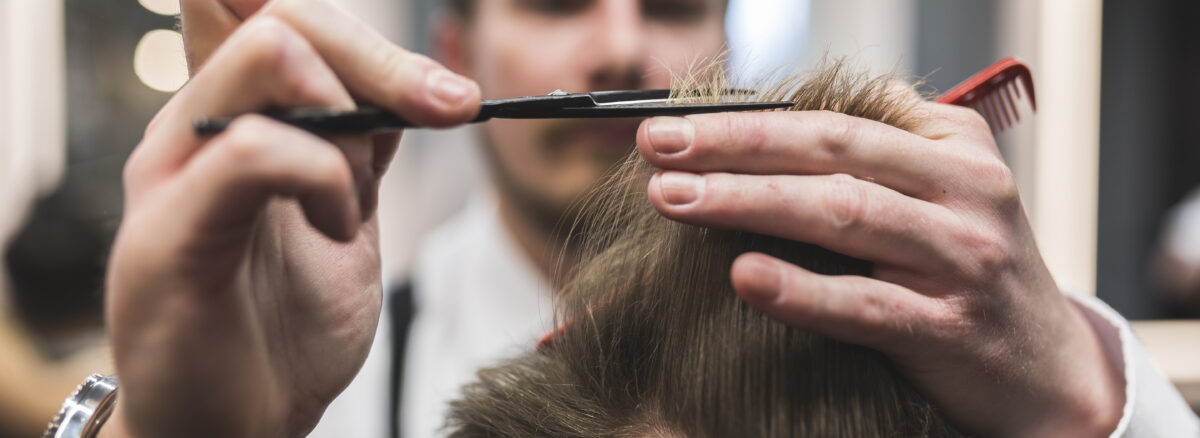
If you’ve had a hair transplant, going to a barber can feel weirdly intimidating. Even if your friends can’t tell, you might think, “A barber will know instantly.” And sometimes, yes, barbers do notice things that regular people miss. They work with hairlines, density, texture, and growth patterns all day, so their eyes are trained differently.
But here’s the part most patients don’t realize: what a barber notices depends heavily on where you are in the hair transplant timeline. In the early months, there are obvious signs. Later, if the work is done with a natural design, many barbers won’t “know” unless they’re specifically looking for it.
This article explains what barbers tend to notice right away, what looks normal versus what looks suspicious, and how to make your first haircut after a hair transplant smoother.
The First Thing They Notice: Redness and Scalp Texture
In the early phase, the most visible giveaway is not the hair itself. It’s the scalp.
Barbers often notice:
- lingering redness in the recipient area
- mild pinkness or sensitivity in the donor zone
- slight texture change where scabs were
- dry patches or shine that catches overhead light
Even if your density looks fine, barbers work under strong lights and look closely. In that lighting, even subtle scalp changes stand out.
If you’re still early in the hair transplant timeline, this is normal. Redness can fade gradually and varies by skin type.
Scalp Sensitivity and “Don’t Touch There” Body Language
Barbers also notice how you react. After a hair transplant, many people unconsciously protect the hairline. They flinch when the barber combs near it or they adjust their head position.
This body language is a strong signal, even if the hair itself looks natural. It’s not a problem, but it’s something barbers pick up on immediately.
If you’re worried about this, the simplest fix is timing. Don’t rush into a haircut before you’re physically comfortable.
The Donor Area: Unevenness, Patchiness, or “Shadowing”
Barbers frequently notice the donor area before the hairline, especially if you keep the sides short or get a fade.
They may notice:
- mild patchiness under harsh light
- “shadow” differences where extraction occurred
- slightly uneven density during early healing
- sensitivity or dryness at the back and sides
In a well-managed donor, this usually becomes less noticeable over time. But if you go too short too soon, it can stand out more, especially early in the hair transplant timeline.
A Hairline That Looks Too Perfect
When barbers notice something “transplant-like” long-term, it’s often the hairline design.
A natural hairline is not perfectly straight. It has soft irregularity. It blends into the temples. It doesn’t look like a sharp printed edge.
Barbers are trained to see:
- ruler-straight hairlines
- overly symmetrical corners
- a hairline placed too low for the person’s age
- a hard boundary between hair and forehead
This is one reason Hairpol-style planning should prioritize natural-looking hair transplant design rather than overly dramatic, photo-friendly hairlines.
Density That Starts Too Strong at the Very Front
Another classic giveaway is when the front looks too dense compared to the area behind it. In nature, density usually builds gradually. The leading edge is softer and lighter, not packed.
Barbers may notice:
- a “wall” of hair at the front
- lack of a natural gradient
- an abrupt density change between the hairline and mid-scalp
This doesn’t always mean the transplant is bad, but it can make it more noticeable, especially under bright shop lighting.
Graft Selection Clues: The Hairline Looks Too Thick
Barbers often don’t think in terms of grafts, but they notice the effect. If the very front of the hairline has thick clusters, it can look bold and unnatural.
A natural hairline typically uses softer single hairs in the front and builds density behind. When the hairline looks “too thick at the edge,” it can feel like something is off.
This is one reason the technical detail of graft selection matters for a successful hair transplant, even if most patients never ask about it.
Hair Direction and “Odd Flow” During Early Growth
In the early months, transplanted hair can grow in odd ways before it matures. Some hairs can stand more upright, some can be wiry, and direction can look inconsistent until the hair gains length and weight.
Barbers may notice:
- hair that doesn’t lay down naturally yet
- hairs growing at mixed angles in a small zone
- texture differences between transplanted and native hair
This is often temporary and improves as hair matures through the hair transplant timeline, especially as length increases and hair thickens.
The “New Growth Texture” That Feels Different
Many patients notice it first, but barbers feel it with their hands.
Early transplanted hair can feel:
- wiry
- dry
- uneven in thickness
- slightly stiff
Barbers notice this when combing or cutting. It often improves as the hair matures and as the scalp normalizes.
If you’re still early in the hair transplant timeline, it’s normal for texture to feel different. It doesn’t automatically mean the final result will feel that way.
Uneven Growth Between Sides
Barbers also notice asymmetry because they cut for balance. In early stages, one side often grows faster than the other. Under strong light, that difference becomes more obvious.
This is common and usually settles as growth continues. But if you go for a haircut during a phase of uneven growth, the barber may have limited options to make both sides look identical without cutting too much.
This is why timing your first cut matters.
Signs They Notice Because of Lighting
Barber shops usually have harsh overhead lighting designed to show everything. That lighting makes scalp visibility more dramatic, especially if your hair is still short or still maturing.
Under that light, barbers may notice:
- scalp show-through in the frontal zone
- thin crown appearance even with decent density
- shine on healing scalp
- contrast between hair and scalp
This is not always a sign of poor work. It’s often the lighting revealing scalp, not “revealing failure.”
When Barbers Stop Noticing Anything
If the transplant is designed naturally and the scalp has fully healed, barbers may not notice anything specific unless they’re actively searching for it.
In many cases, after enough time in the hair transplant timeline:
- redness fades
- texture normalizes
- hair thickens and lays down naturally
- the hairline looks soft and believable
- the donor blends evenly
At that stage, what barbers notice is usually just your haircut choice, not your procedure.
What to Tell Your Barber (If You Want to Say Anything)
You don’t have to explain anything. But if you feel nervous, you can keep it simple and practical:
- You can say you had a hair transplant and you want a gentle cut
- You can ask them to avoid aggressive clippers on sensitive areas
- You can request a conservative trim rather than a dramatic fade
Barbers are used to this. Many have clients who have had procedures. The key is to communicate what you need for comfort.
When to Get Your First Haircut After a Hair Transplant
This depends on clinic guidance and your healing, but as a general psychological rule:
- too early = you feel exposed, sensitive, and anxious
- later = you feel comfortable, hair blends better, barber notices less
If you want the smoothest experience, choose timing that respects your hair transplant timeline and gives the scalp time to calm down.
The Biggest Takeaway
Barbers notice details because they work with hair professionally, but what they notice most often after a hair transplant is not some secret “transplant stamp.” It’s the obvious early recovery signs: redness, scalp texture, donor shadowing, and early growth behavior.
As time passes and the hair matures, the things barbers might notice become less and less noticeable, especially when the transplant was designed to look natural in real life, not just in photos.
If your plan is a natural-looking hair transplant, the best moment is when your barber treats your hair like any other hair, because to them, it finally looks and behaves like it.
Frequently Asked Questions (FAQ)
What do barbers usually notice first after a hair transplant?
In the early phase, barbers usually notice the scalp before the hair itself. Lingering redness, mild pinkness, texture changes, dryness, or shine in the recipient and donor areas can stand out under strong barber shop lighting.
Can barbers notice scalp sensitivity even if the transplant looks natural?
Yes. Many people unconsciously protect the hairline or react when the barber combs near sensitive areas. Even if the hair looks natural, body language such as flinching or repositioning the head can signal that the scalp is still healing.
Why do barbers often notice the donor area before the hairline?
Barbers often look closely at the back and sides while cutting fades or short styles. Mild patchiness, shadow differences, uneven density, or dryness in the donor area can be easier to notice than the front, especially in the early hair transplant timeline.
What kind of hairline makes a transplant more noticeable to a barber?
A hairline that is too straight, too sharp, too symmetrical, or too low for the person’s age can look suspicious to a barber. A natural-looking hair transplant usually has soft irregularities and a more believable transition into the temples.
Can barbers notice when the very front looks too dense?
Yes. In natural hairlines, density usually builds gradually. If the very front looks like a dense wall of hair with no soft transition, barbers may notice that the frontal zone looks unusually strong compared with the area behind it.
Why can transplanted hair look or feel different in the early months?
In the early months, transplanted hair can grow in with a wiry, dry, stiff, or uneven texture before it matures. Barbers may notice that some hairs stand more upright, feel different during combing, or do not lay down naturally yet. This often improves as the hair matures.
Does uneven growth between sides make a transplant easier for barbers to notice?
Yes. One side often grows faster than the other during the early hair transplant timeline. Because barbers cut for balance, uneven growth can be more obvious to them under strong lighting, even if it is a normal temporary phase.
When do barbers usually stop noticing anything specific about the transplant?
As healing completes and the hair matures, barbers usually notice less and less. Once redness fades, texture normalizes, density improves, and the hairline blends naturally, many barbers will focus more on the haircut itself than on the fact that a hair transplant was done.
