
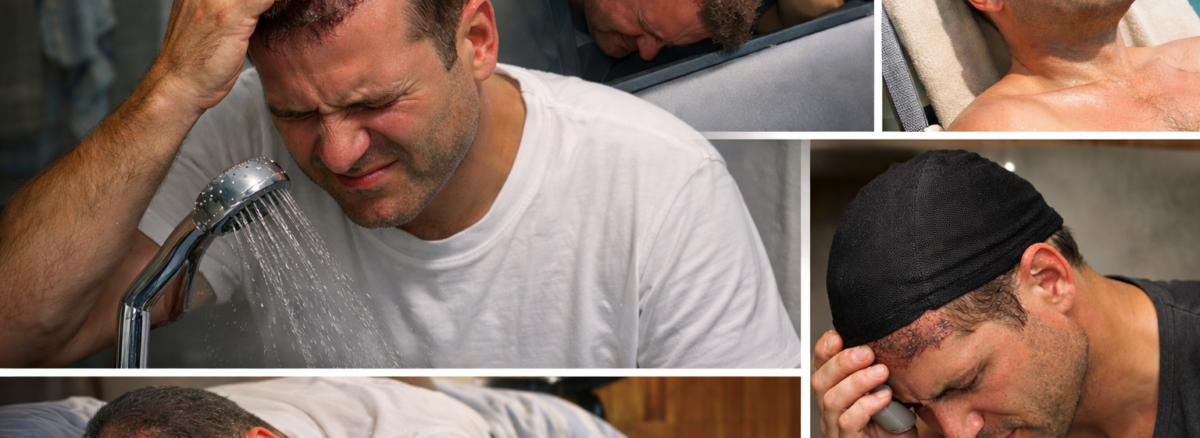
A hair transplant isn’t finished when you leave the clinic. The procedure is only the first half of the journey. The second half is healing, and that part depends heavily on what you do at home. Even when the surgery is performed perfectly, poor aftercare can lead to prolonged redness, unnecessary shedding, irritation, slow recovery, and a final look that doesn’t reach its full potential.
Because Hairpol patients often travel and return home shortly after treatment, aftercare matters even more. Your scalp is healing in a new environment, you’re adjusting to a routine, and you may be tempted to “get back to normal” too quickly. That’s where mistakes happen.
This guide covers the most common aftercare mistakes after a hair transplant, why they matter, and how to avoid them so your result stays natural, clean, and on track with your hair transplant timeline.
Why Aftercare Has Such a Big Impact
After a hair transplant, your scalp is in a delicate state. The implanted grafts need time to anchor, the donor area needs to heal, and the skin needs to calm down. In the first days and weeks, it’s surprisingly easy to create small injuries that lead to bigger setbacks.
Aftercare affects:
- How quickly scabs soften and detach
- How long redness stays visible
- The comfort level of your scalp (itching, tightness, sensitivity)
- How smooth the donor area heals
- Whether you trigger avoidable inflammation
A lot of patients focus only on growth and forget healing. But growth depends on healing. If you want a natural-looking hair transplant, you want a calm recovery.
Mistake 1: Touching, Scratching, or “Checking” the Grafts Constantly
One of the most common habits is touching the recipient area without even noticing it. People lightly scratch because it itches, or they tap the hairline while looking in the mirror.
In the early period, this can be risky.
Even when the grafts feel “secure,” unnecessary friction can irritate the skin, increase inflammation, and in some cases disrupt scabs in a way that slows the healing process.
Why It Happens
Itching can feel intense, especially as scabs form and the skin dries. Some people also feel anxious and keep checking if everything is “still there.”
What to Do Instead
- Treat itching as a healing signal, not a problem to attack
- Follow washing and moisturising guidance exactly
- Keep your hands off the area as a rule, not as a suggestion
If itching becomes extreme, follow the clinic’s guidance instead of improvising.
Mistake 2: Washing Too Aggressively or Too Early Without Proper Technique
Washing is essential after a hair transplant, but the method matters. Two extremes cause problems:
- People who wash too aggressively and traumatize the area
- People who avoid washing because they’re scared and let scabs build up
Both can prolong recovery.
What Aggressive Washing Can Cause
- Increased redness
- Irritation and micro-trauma
- Scabs detaching prematurely
- Patchy healing in the recipient area
What Avoiding Washing Can Cause
- Thick, stubborn scab buildup
- Longer visible recovery
- Increased itching
- Higher irritation risk from dried blood and crusting
A clean, gentle routine supports the whole hair transplant timeline and makes the early phase look more discreet.
Mistake 3: Forcing Scabs Off
This one is extremely common. Patients look in the mirror, see scabs, and feel the urge to “clean it up.” They rub, pick, or scratch scabs away because they want to look normal faster.
Forcing scabs off can irritate the skin, create bleeding, and trigger prolonged redness.
Why This Matters
Scabs are part of your body’s protective process. They should soften and detach naturally through proper washing over time.
The goal isn’t to remove scabs as fast as possible. The goal is to let them release safely.
Mistake 4: Sleeping Flat or Sleeping on the Recipient Area
Sleep is one of the easiest places to make mistakes because you can’t control your movements perfectly. Patients sometimes start carefully, then loosen the rules too early.
Sleeping flat, sleeping on your side too soon, or letting pillows press against the hairline can create unnecessary friction.
Common Sleep Mistakes
- Rolling onto the hairline
- Using rough pillowcases
- Using pillows that push the forehead forward
- Sleeping in a way that increases swelling
Even if grafts are secure, friction and pressure can worsen redness and discomfort, making the early hair transplant timeline look more intense than it needs to.
Mistake 5: Returning to the Gym Too Early
Many people feel fine after a few days and assume they can go back to normal exercise. But sweating, increased blood pressure, and friction from towels or headbands can irritate the scalp during early healing.
Why Early Exercise Can Backfire
- Sweat can cause itching and irritation
- Heat can prolong redness
- Accidental rubbing becomes more likely
- Swelling can worsen in some cases
You don’t need to be inactive forever, but rushing the gym is a classic aftercare mistake after a hair transplant.
Mistake 6: Direct Sun Exposure
Sun is one of the most underestimated risks. People step outside for “just a short walk,” then end up with more redness and sensitivity than expected.
Why Sun Matters So Much
Freshly healed scalp skin is more reactive. UV exposure can increase inflammation and prolong redness, especially in the recipient area.
If you want a discreet recovery and a clean hair transplant timeline, protecting your scalp from direct sun is a big part of it.
Mistake 7: Wearing Tight Hats Too Early
People often ask about hats because they want privacy or comfort. The problem is not hats in general, but timing and fit.
A tight hat can create friction, pressure, heat, and sweat. All of these can irritate the scalp.
Common Hat Mistakes
- Wearing a tight cap that presses against the hairline
- Wearing hats for long periods without breaks
- Choosing rough fabric that rubs the recipient area
- Wearing hats before the clinic’s recommended window
If you’re going to wear something, the key is following Hairpol’s guidance on when it’s safe and what style is appropriate.
Mistake 8: Smoking and Nicotine Too Soon
This is one of the most damaging habits during recovery. Many people don’t realize how strongly nicotine can affect circulation and healing.
Even if the procedure went perfectly, smoking too soon can interfere with recovery quality and increase the chance of prolonged irritation.
Why This Affects Results
Healing depends on blood flow and oxygen delivery. Anything that reduces it can slow the process. If you’re investing in a hair transplant, it doesn’t make sense to sabotage healing in the most sensitive phase.
Mistake 9: Alcohol in the Early Recovery Window
Alcohol is another thing patients underestimate. They feel fine and assume a drink won’t matter. But alcohol can affect swelling, hydration, and inflammation.
If your goal is a smooth, predictable hair transplant timeline, reducing variables early on is smart.
Mistake 10: Using Random Shampoos, Oils, Serums, or “Hair Growth” Products
This is one of the biggest aftercare mistakes. People start experimenting early because they want growth faster. They add oils, serums, vitamins, and shampoos they saw on social media.
The early phase is not the time to experiment.
Why This Can Cause Problems
- Many products are too harsh for healing skin
- Oils can trap heat and increase irritation
- Fragrance can trigger sensitivity
- Some actives can dry out or inflame the scalp
A calm scalp heals better. A calm scalp supports a better hair transplant outcome.
Mistake 11: Overreacting to Shedding and Panicking
A lot of patients get anxious when transplanted hairs start shedding. They assume something failed.
In many cases, early shedding is part of the process. It’s common for transplanted hairs to fall out before regrowth begins. That doesn’t mean your grafts are gone.
Why This Panic Leads to Mistakes
When people panic, they start doing random things:
- rubbing the scalp to “check”
- applying products
- changing routines
- washing aggressively
- searching and comparing their progress daily
All of this increases stress and can irritate the scalp.
The best approach is to understand the expected phases of the hair transplant timeline and follow the plan.
Mistake 12: Comparing Your Progress to Someone Else
This is especially common for people who travel for a hair transplant in Turkey and then spend hours online comparing week-by-week photos.
Two people can have different:
- scalp sensitivity
- redness duration
- shedding timing
- density appearance during early months
- growth rate
Comparing your week 6 to someone else’s week 6 can make you feel like something is wrong when it isn’t.
Healing is individual. A successful hair transplant is not a race.
Mistake 13: Skipping Follow-Ups or Not Asking Questions
Patients sometimes feel embarrassed to ask “small” questions, or they assume they already know what to do.
But aftercare is full of tiny details that matter. Skipping follow-ups or ignoring guidance can turn small irritation into prolonged discomfort.
If you did your procedure with Hairpol, you should use the advantage you have: structured follow-up and guidance. That’s part of what protects your final result.
Mistake 14: Not Protecting the Donor Area Properly
People focus heavily on the hairline and forget the donor area. But the donor also needs care. It can itch, feel tight, or become irritated if it dries out or gets rubbed.
Common Donor Mistakes
- scratching the donor because it feels less “important”
- washing donor too aggressively
- exposing donor to sun early
- returning to short haircuts too quickly without guidance
A clean donor recovery is part of the overall natural look.
Mistake 15: Trying to Speed Up the Hair Transplant Timeline
This is the mistake behind many other mistakes. People want results fast, so they:
- force scabs off
- add products early
- return to the gym too soon
- wear hats early
- manipulate the scalp constantly
The truth is, you cannot force hair growth on your schedule. You can only protect the environment so growth happens cleanly.
If you want a natural-looking hair transplant, the smartest approach is not speeding up. It’s staying consistent.
What a Smooth Aftercare Routine Looks Like
A good aftercare routine is boring, consistent, and calm. That’s exactly what you want.
It usually involves:
- gentle washing as instructed
- avoiding friction and trauma
- protecting from sun and heat
- avoiding smoking and alcohol early on
- not experimenting with products
- following the clinic’s timeline and advice
This supports healing, reduces visible redness sooner, and keeps the hair transplant timeline predictable.
Why These Mistakes Matter for Natural Results
A transplant becomes “noticeable” in two ways:
- the design looks unnatural
- the healing looks messy, prolonged, or irritated
Aftercare mostly affects the second one, but that second one is what people actually see in the early weeks. If redness lingers, scabs look heavy, or irritation is constant, the recovery becomes obvious.
Good aftercare doesn’t just protect growth. It protects your social comfort during recovery. That matters a lot, especially for patients returning home after a hair transplant in Turkey.
The Biggest Takeaway
Most aftercare mistakes happen for the same reason: patients start improvising. They do something because they feel “fine” or because someone online said it helps.
If you want the cleanest healing and the best chance at a successful hair transplant, follow one rule: consistency beats creativity.
Protect the grafts, keep the scalp calm, respect the process, and let your result develop naturally through the hair transplant timeline. aynısını bunun için ingilizce olarak html ver
Frequently Asked Questions (FAQ)
What are the most common aftercare mistakes after a hair transplant?
The most common aftercare mistakes include touching or scratching the grafts, washing too aggressively or avoiding washing, forcing scabs off, sleeping with pressure on the recipient area, returning to the gym too early, direct sun exposure, wearing tight hats too soon, and using random shampoos or “growth” products during early healing.
Why is touching or scratching the grafts risky in the early days?
In the early period, unnecessary friction can irritate the skin, increase inflammation, and disrupt scabs in a way that slows healing. Even if grafts feel secure, repeated touching can make redness and discomfort last longer and can interfere with a calm recovery.
Can washing too aggressively affect healing after a hair transplant?
Yes. Aggressive washing can cause irritation, micro-trauma, increased redness, and scabs detaching prematurely. On the other hand, avoiding washing can lead to thick scab buildup and more itching. A gentle, consistent routine supports a cleaner recovery.
Why shouldn’t you force scabs off after a hair transplant?
Scabs are part of the body’s protective healing process. Forcing them off can irritate the skin, cause bleeding, and trigger prolonged redness. The goal is to let scabs soften and detach naturally through proper washing over time.
How can sleeping position impact the hair transplant timeline?
Sleeping flat or with pressure against the recipient area can create friction and discomfort, and it may increase swelling. Even when grafts are secure, pressure and rubbing can prolong redness and make the early healing stage look more intense than necessary.
When is it safe to return to the gym after a hair transplant?
Many patients feel fine quickly, but returning too early can backfire. Sweat, heat, increased blood pressure, and accidental rubbing can irritate the scalp and prolong redness. It’s best to follow the clinic’s timeline so healing stays predictable.
Why is sun exposure a problem during early recovery?
Freshly healed scalp skin is more reactive, and UV exposure can increase inflammation and prolong redness—especially in the recipient area. Protecting the scalp from direct sun helps keep recovery more discreet and supports a smoother hair transplant timeline.
Why should you avoid random shampoos, oils, or serums early on?
The early phase is not the time to experiment. Many products are too harsh for healing skin, fragrances can trigger sensitivity, and oils can trap heat and increase irritation. A calm scalp heals better and supports a cleaner long-term result.
