
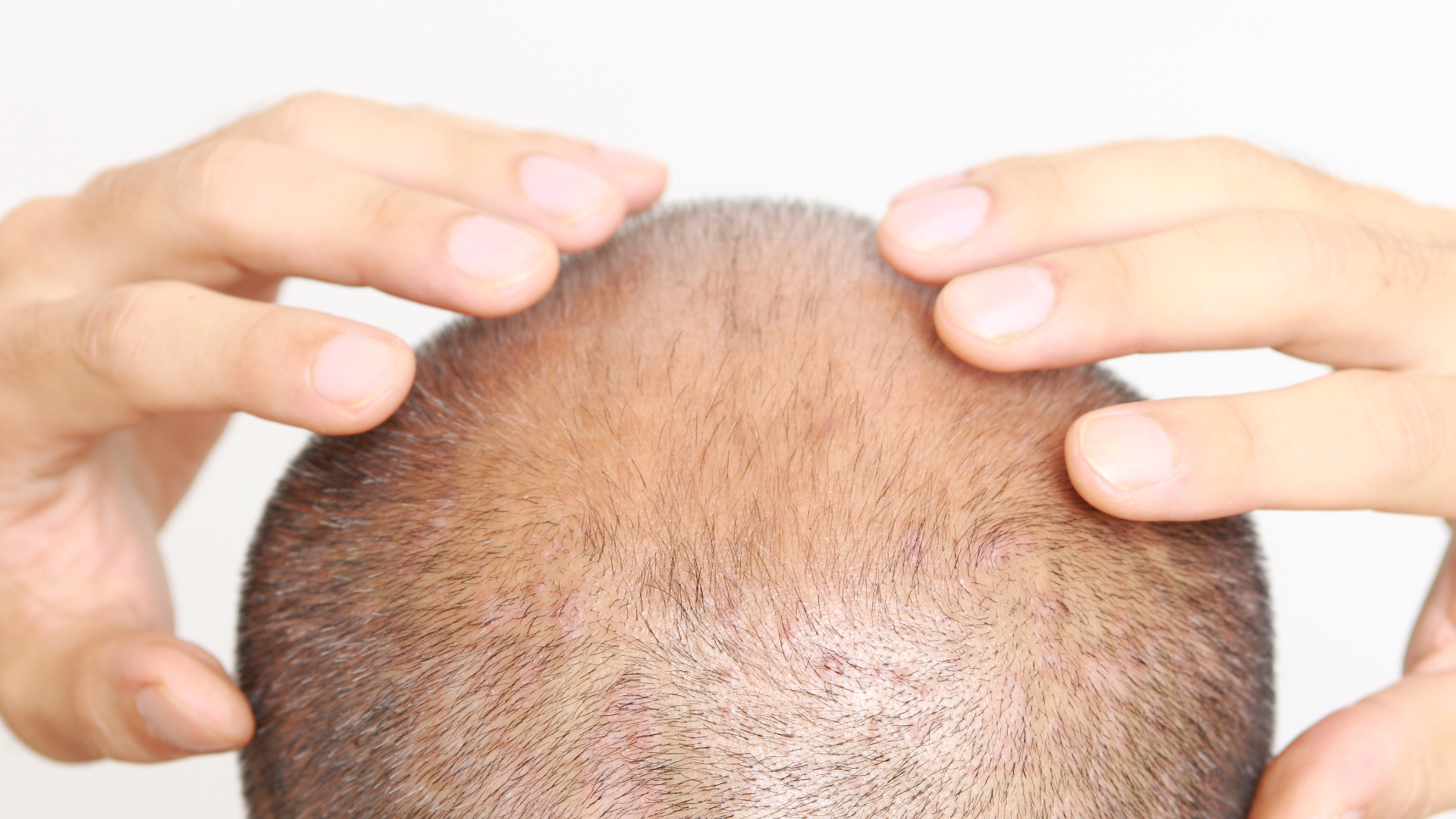
There’s a particular kind of anxiety that comes with shock loss. It’s not the vague worry of the early recovery period — the mild concern about whether the grafts are taking, whether the redness is normal, whether the scabs look right. Shock loss is more specific than that. You watch hair fall out. Visibly, noticeably, in quantities that feel wrong. And the fear that follows — that the procedure has failed, that you’re worse off than before, that something went irreversibly wrong — is immediate and powerful.
The vast majority of patients who experience shock loss after a hair transplant are experiencing something that is biologically normal, clinically expected, and ultimately temporary. But knowing that intellectually and managing it emotionally are two different things — and the emotional difficulty is significantly easier when you understand exactly what shock loss is, why it happens, which factors influence its severity, and what the realistic recovery looks like on the other side of it.
What Shock Loss Actually Is
Shock loss — called telogen effluvium in clinical terms — is a stress-induced interruption of the normal hair growth cycle that causes hair to shed prematurely. In the context of a hair transplant, it refers to hair loss that occurs in the weeks following the procedure in areas that were affected by the surgical process.
The word shock in shock loss refers to the physiological shock experienced by hair follicles in response to trauma, not to the emotional state of the patient observing it — though that connection feels apt enough.
Hair follicles grow in cycles. The active growth phase, called anagen, is when the follicle produces the visible hair shaft. The resting phase, called telogen, is when the follicle pauses active growth temporarily before restarting a new cycle. Under normal conditions, only about ten to fifteen percent of follicles are in telogen at any given time, which is why natural daily hair shedding — typically 50 to 100 hairs per day — doesn’t result in visible thinning.
When follicles experience significant physical trauma, their normal cycle is disrupted. Instead of continuing through their natural progression, they are forced prematurely into telogen regardless of where they were in their cycle. The result is synchronized shedding — a much higher proportion of follicles entering the resting phase at the same time, producing hair loss that is more concentrated and more visible than normal daily shedding.
This is what happens during shock loss after a hair transplant: follicles that were disrupted by the surgical procedure shed their hair shafts as they enter telogen en masse. The underlying follicles remain alive. The growth cycle will restart. But the visible hair is gone for now, and the scalp looks worse than it did before — sometimes significantly worse.
The Two Types of Shock Loss
Understanding shock loss requires distinguishing between two different populations of follicles that can be affected, because the causes, timelines, and outcomes differ between them.
The first type affects transplanted hair — the grafts themselves. This is the shedding that most people are warned about, at least in general terms. The transplanted follicles have been extracted from the donor area, handled outside the body, and implanted into new tissue. The cumulative stress of this process drives the transplanted follicles into telogen, and the hair shafts they were producing shed within the first two to eight weeks after the procedure.
This type of shock loss is essentially universal. The percentage of transplanted grafts that shed their initial hair shafts before beginning a new growth cycle is close to 100 percent. Patients who don’t notice it are either not looking closely or experienced such gradual shedding that it wasn’t visually dramatic — but the underlying biological process occurs in virtually everyone.
The second type affects native hair — the existing hair in and around the recipient area that was not transplanted. This is the type that surprises patients most, because they didn’t expect to lose hair they already had. Native hair shock loss occurs when follicles in the recipient zone are disturbed by the procedure happening around them — the creation of recipient channels, the handling of the scalp during implantation, the general tissue trauma of the surgical process.
Not every patient experiences native hair shock loss, and when it does occur it varies significantly in severity. Patients with more extensive existing hair in the recipient zone, patients who underwent dense packing procedures, and patients with generally more sensitive follicles tend to experience more native hair shock loss than those with limited existing hair or those who underwent more conservative procedures.
Why the Surgical Process Causes Shock Loss
The biological mechanism behind shock loss is the follicle’s response to physical and physiological stress. Understanding what specifically creates that stress during a hair transplant explains both why shock loss is expected and what factors influence its severity.
During extraction, donor follicles are physically removed from their established environment. They lose their blood supply. They experience temperature change, mechanical handling, and time outside the body. Each of these is a stressor, and the cumulative stress of extraction, preservation, and implantation is what drives the transplanted follicles into telogen after the procedure.
The implantation process itself creates stress in the recipient area that extends beyond the transplanted grafts. Creating recipient channels — the small incisions or Choi pen insertions that receive each graft — involves puncturing or cutting the scalp at multiple points across the recipient zone. This tissue trauma releases inflammatory mediators, disrupts the local blood supply temporarily, and creates a physiological environment that can drive neighboring native follicles into telogen.
A Sapphire FUE or DHI procedure causes less tissue trauma per recipient site than older techniques, which is one reason these methods are associated with less severe native hair shock loss in many patients. But the reduction is relative rather than absolute — some degree of native hair shock loss remains possible with any technique because the cause is the tissue response to the procedure, not only the trauma of individual incisions.
Which Patients Experience More Severe Shock Loss
Shock loss occurs on a spectrum. Some patients experience minimal visible shedding. Others enter a period where the scalp looks genuinely worse than it did before the procedure — a deeply unsettling experience that can last for weeks or months before improvement begins.
The density of the procedure is one of the most significant factors. High-density procedures that pack grafts closely together in the recipient zone create more cumulative tissue trauma than less dense approaches. The local blood supply in a high-density recipient zone is more disrupted, and the inflammatory response is more pronounced. This environment is more likely to drive neighboring native follicles into telogen.
The patient’s existing hair density in the recipient area matters for native hair shock loss specifically. A patient with moderate existing hair throughout the recipient zone has more native follicles at risk of shock loss than a patient whose recipient area is largely bald. Paradoxically, patients who seem to have more hair to protect going into the procedure often experience the most noticeable native hair shock loss — because they have more native hair that can shed.
Individual follicle sensitivity varies between patients and is not predictable with precision before the procedure. Some follicles are relatively robust and resist the stress that would drive others into telogen. Others are more sensitive, particularly in patients who are already experiencing active androgenetic hair loss where follicles are in various stages of miniaturization. Miniaturizing follicles that are already weakened are more susceptible to stress-induced shock loss than healthy, full-diameter follicles.
The patient’s general health, nutritional status, and stress levels at the time of the procedure also influence the severity of shock loss. Deficiencies in iron, zinc, vitamin D, or protein can make follicles more susceptible to stress-induced shedding. Patients who are significantly sleep-deprived or under high psychological stress at the time of the procedure may experience more pronounced shock loss than those who arrive in better baseline health.
The Timeline: When Shock Loss Starts and When It Ends
The timing of shock loss follows a relatively predictable pattern for most patients, though individual variation exists in both the start and end points.
Shedding of transplanted hair typically begins somewhere between two and six weeks after the procedure. For some patients, particularly those whose transplanted grafts were in the active growth phase at the time of extraction, shedding can begin as early as week two. For others, the shedding phase doesn’t become noticeable until week four or five.
Native hair shock loss, when it occurs, tends to appear slightly later than transplanted hair shedding — often beginning around weeks three to six and sometimes not becoming apparent until week eight or beyond. This later onset sometimes causes patients to assume they’ve cleared the shock loss phase, only to notice native hair thinning afterward — an experience that feels like a second blow after the first.
The active shedding phase typically lasts two to four weeks for most patients. It rarely happens in a single dramatic event. More often it’s a gradual process: more hair on the pillow than before, more visible shedding during washing, a progressive thinning of the recipient area that develops over weeks rather than days.
By months two to three after the procedure, the active shedding has typically concluded for the majority of patients. What follows is often the most psychologically difficult phase of the hair transplant timeline — a period of two to three months where the scalp looks thin and the follicles are in various stages of their resting phase, with little visible evidence of what’s happening underneath.
New growth from transplanted follicles typically begins appearing somewhere between months three and five. This growth starts fine and sparse — the early hair produced by follicles returning from telogen is usually thinner and lighter than mature hair — and progressively thickens and darkens as the follicles settle into their new anagen cycle. Visible density improvement continues through months six to twelve, with some patients — particularly those addressing the crown — continuing to see improvement through month eighteen.
Native hair that shed due to shock loss typically returns on a similar timeline to transplanted hair, often beginning to regrow around months three to four. Because native follicles are returning from a stress-induced telogen rather than from the more extended resting phase of transplanted follicles, some patients find that native hair regrowth begins slightly earlier than transplanted hair regrowth.
The Window Where Things Look Worst
The period between approximately weeks four and month four represents the low point of the visual experience for most patients. The initial shedding is happening or has happened. The scalp may look significantly thinner than it did before the procedure. New growth hasn’t yet appeared in any meaningful quantity. And the patient is in a holding pattern with no visible evidence of progress while the follicles cycle through their resting phase underground.
This is the period most associated with the anxiety-driven 2am internet searches, the panicked emails to the clinic, the regret that the procedure was ever done. It’s the period where patients most need reassurance that isn’t available from looking in the mirror, because what the mirror shows during this phase is not representative of the direction things are heading.
Understanding this window before the procedure — knowing that it exists, knowing when it typically occurs, knowing that the absence of visible hair does not mean the absence of living follicles — is the most important psychological preparation a patient can make.
Shock Loss Versus Graft Loss: How to Tell the Difference
Shock loss — whether of transplanted hair or native hair — is temporary. The follicle remains alive, resting, and will eventually produce new hair. Graft loss refers to follicles that didn’t survive the procedure — that were damaged during extraction, handling, or implantation to the point where they cannot produce hair again. Graft loss is permanent.
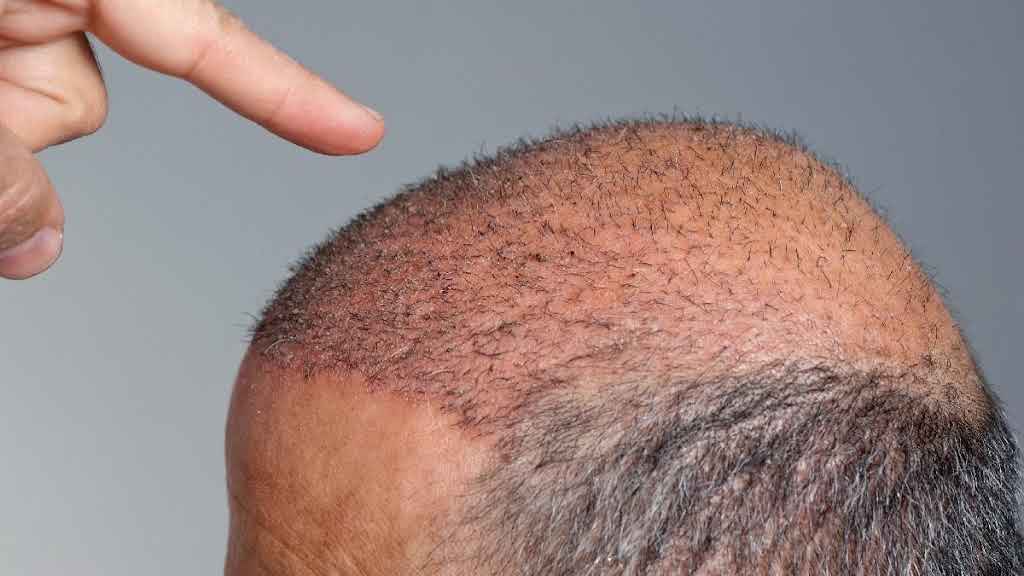
The difficulty is that in the weeks following a procedure, shock loss and graft loss look identical on the surface. Both result in a thinning scalp with less visible hair than expected. Distinguishing between them visually, in the moment, is not possible — and this is the source of much of the anxiety during the shock loss window.
The practical distinction reveals itself over time. If follicles are in telogen due to shock loss, new hair will appear somewhere between months three and six as the growth cycle restarts. If follicles were lost, no new hair appears in those locations regardless of how long you wait.
By month six, a meaningful assessment of what’s shock loss recovery versus permanent graft loss becomes possible. Areas that were thin at month three but show clear new growth by month six were experiencing shock loss. Areas that show no new growth whatsoever by month six may represent zones of lower graft survival, and a thorough clinical assessment at that point is appropriate.
What Can Be Done to Minimize Shock Loss
Shock loss cannot be completely prevented — the biological mechanisms that cause it are inherent to the surgical process. But several factors influence its severity, and some of them are within the patient’s control.
Nutritional status before and after the procedure is one of the most actionable factors. Follicle health is significantly influenced by iron levels, ferritin, zinc, vitamin D, biotin, and protein intake. Patients who are deficient in any of these prior to the procedure have follicles that are more susceptible to stress-induced shedding. Getting bloodwork done before the procedure and addressing any deficiencies in the weeks prior gives follicles the best possible baseline before the surgical stress of the procedure.
Minoxidil, applied topically or taken orally, has some evidence supporting its role in reducing the severity and duration of shock loss. It is thought to work by shortening the telogen phase and stimulating follicles back into anagen more quickly. Some clinics recommend starting minoxidil before the procedure and continuing through the recovery period specifically for this reason, though this should be discussed with the treating physician and not started independently.
Stress management in the weeks following the procedure matters more than most patients realize. Psychological stress elevates cortisol levels, and sustained high cortisol is independently associated with telogen effluvium. Sleep quality, exercise within the appropriate recovery parameters, and general wellbeing in the recovery period all contribute to the hormonal environment in which follicles are healing.
Following aftercare instructions carefully — particularly the washing protocol, sun avoidance, and physical activity restrictions — reduces the additional stress placed on follicles that are already in a vulnerable healing phase. Poor aftercare doesn’t directly cause shock loss, but it can extend the inflammatory conditions that make shock loss more severe and prolonged.
When to Contact the Clinic
Most shock loss resolves without clinical intervention. But there are specific circumstances where contacting the clinic is appropriate rather than waiting.
If the shedding phase appears to extend beyond month three with no signs of any new growth beginning, a clinical assessment is warranted. While some patients do have extended shedding phases, persistent loss without any early regrowth signals deserves professional evaluation.
If the shock loss is accompanied by scalp symptoms — persistent redness, heat, tenderness, or any discharge — these may indicate an inflammatory condition or infection that requires treatment. Shock loss on its own is not painful or accompanied by scalp symptoms. Hair shedding with scalp symptoms is a different clinical picture that needs assessment.
If new growth is visibly absent in specific zones by month six — particularly if neighboring zones show clear regrowth — a clinical review can help distinguish between prolonged but recovering shock loss and zones of lower graft survival that might benefit from planning a subsequent procedure.
The End of the Story
Shock loss is the most emotionally difficult part of the hair transplant timeline for most patients who experience it. The timing is cruel in the specific sense that it occurs just as the dramatic activity of the procedure itself has faded — just as patients have made it through the first week, navigated the scabbing, gotten through the initial recovery discomfort — and delivers the disorienting experience of looking worse rather than better.
But the biology is clear and consistent: shock loss is a response to stress, not a measure of failure. The follicles that shed during this phase are resting, not dying. The scalp that looks thin at month two is not the scalp that will exist at month eight.
Every patient who moves through the shock loss window and reaches month six with new growth establishing across the recipient area arrives at the same realization: the period that felt like evidence of failure was actually the pause before the result they came for. The hair that grows back after shock loss is the same hair that was always going to grow — it just needed to get through the cycle reset that the procedure set in motion.
That growth is coming. The timeline is months, not weeks. And the follicles working their way back to anagen underneath a scalp that looks temporarily worse than expected are doing exactly what they’re supposed to do.
Find this helpful? Add Hairpol as a preferred source on Google.
Get a Free Consultation
Answer a few questions and the medical team will review your situation.
