
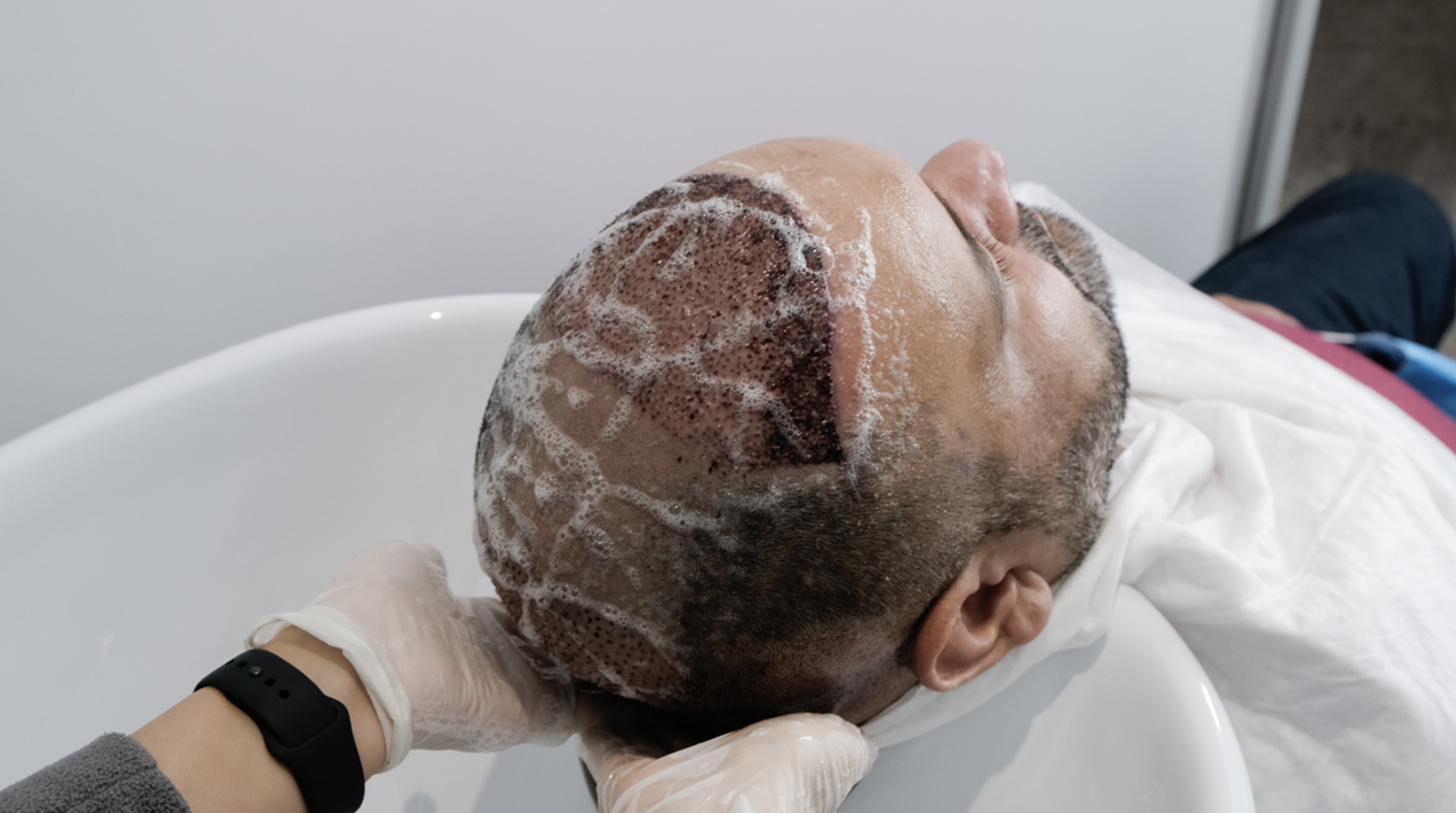
After a hair transplant, most people are prepared for how it will look during healing. What catches many patients off guard is how it will feel. Tightness. Tenderness. Itching. A strange “helmet” sensation. Numb patches. Or the feeling that the hairline isn’t really “yours” yet.
So when does hair feel normal again?
The honest answer is: it happens in layers. The scalp can look normal before it feels normal, and the hair can grow before it feels like your real hair. If you track it properly through the hair transplant timeline, you’ll see that “normal” is not one moment. It’s a gradual return.
If you are weighing up treatment abroad, our guide to hair transplants in Turkey walks through the full process step by step.
This guide explains what “normal” actually means after a transplant, what sensations are common, and when most people feel fully comfortable again.
What “Normal” Means After a Hair Transplant
People usually mean one (or more) of these things when they ask this question:
- The scalp doesn’t feel tight or sore anymore
- Touching the recipient area doesn’t feel sensitive
- The donor area feels smooth and not itchy
- There’s no constant awareness of the scalp
- Hair can be washed, styled, and touched without anxiety
- Hair texture feels similar to the rest of the head
Some of these return quickly. Some take months. A few can take longer depending on skin type, healing speed, and how sensitive your scalp is.
The First 10 Days: Hair Doesn’t Feel Normal Yet
In the early phase, it’s completely normal to feel:
- Tenderness in the donor area
- Tightness due to healing and swelling
- Itching as scabs form and the skin dries
- A “foreign” sensation in the recipient area
This phase often feels the most unusual because you’re highly aware of your scalp. You’re protecting it, sleeping differently, washing carefully, and avoiding touching.
Even if you feel okay, it still won’t feel normal. This is expected in the early hair transplant timeline.
Weeks 2–4: Scabs Go, Sensations Stay
Once scabs begin to detach and the scalp looks cleaner, many patients assume everything should feel normal. But nerve endings and skin layers are still recovering.
During weeks 2–4, many people feel:
- Intermittent itching
- Mild sensitivity to touch
- A tight or dry sensation
- Numbness or reduced sensation in small areas
- Occasional tingling or “pins and needles”
This can be mentally confusing because it looks better but still feels strange. It’s a very common mismatch between appearance and sensation after a hair transplant.
Months 1–3: The “Looks Worse, Feels Better” Stage
This is often the stage where hair looks thinner because of shedding, but the scalp begins to feel more normal. Many patients experience the expected shedding phase and panic, but physically they start becoming less aware of the scalp.
By months 1–3, many people notice:
- Less donor tenderness
- Less tightness
- Less constant itching
- More comfort sleeping normally
- More confidence washing normally
Some sensitivity can still remain, especially if you have a reactive scalp. But this is typically when a lot of patients begin to feel “mostly okay” physically, even if visually they’re still early in the hair transplant timeline.
Months 3–6: The Turning Point for “Normal Feeling”
This is the period where many patients report that things start feeling like their own head again.
During months 3–6, it’s common to see:
- Reduced numbness and more normal sensation returning
- Less tightness in the donor area
- Less scalp sensitivity when styling
- Hair starting to grow, which reduces “exposed scalp” awareness
For many people, this is when the scalp sensation shifts from “post-op” to “normal.” Not everyone is identical, but this window is a common psychological and physical turning point.
Months 6–12: Hair Starts Feeling Like Real Hair
Even when the scalp feels normal, the hair itself can still feel different for a while.
Early transplanted growth can be:
- finer
- wiry
- uneven in thickness
- dry or frizzy compared to your native hair
As the months go on, the hair often thickens and softens. This is part of maturation. Many patients notice that hair texture feels more natural as it progresses through the later stages of the hair transplant timeline.
By months 6–12, a lot of people say:
- “I don’t think about it anymore.”
- “I wash it like normal.”
- “It feels like my own hair again.”
Why Some People Take Longer to Feel Normal
Some patients feel normal sooner, and some take longer. Common reasons include:
Scalp Sensitivity and Skin Type
If you naturally have sensitive skin or scalp conditions, itching and irritation can linger longer.
Extensive Coverage Areas
If a large area was worked on, the scalp has more healing to do, which can extend the sensation phase.
Nerve Recovery Differences
Numbness and tingling are often related to nerve recovery. For some, sensation returns quickly. For others, it’s slower.
Aftercare Habits
If the scalp gets irritated repeatedly (scratching, harsh washing, sun exposure, early sweating), it can extend the “not normal” phase.
Donor Area vs Recipient Area: Which Feels Normal First?
Often, the recipient area becomes “forgettable” sooner, while the donor can stay tight or itchy longer, especially if you sleep on it or if you keep hair short.
But it varies.
Some people feel donor normal quickly and remain aware of the recipient zone longer because they keep checking the hairline.
A smoother recovery usually happens when aftercare is consistent and calm.
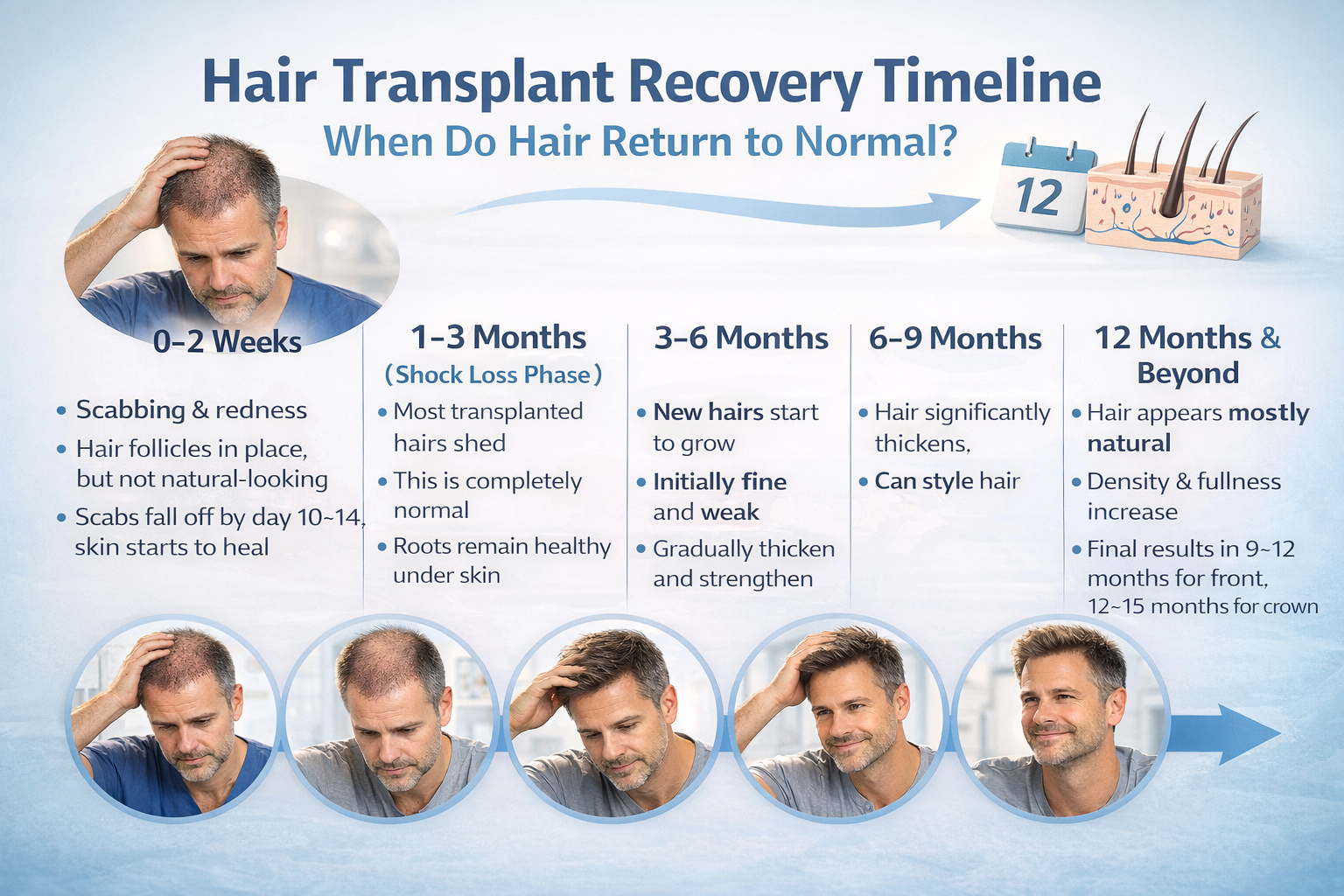
A Simple Way to Think About the Hair Transplant Timeline
If you want a realistic framework, many patients roughly experience:
- First month: looks and feels unusual
- Months 2–3: feels better, looks thinner due to shedding
- Months 3–6: sensation normalizes, growth begins
- Months 6–12: hair texture and thickness mature, it feels like “real hair”
This isn’t a promise, and everyone varies, but it’s a useful mental map so you don’t expect normal too early.
Signs That Are Normal vs Signs That Need Attention
A lot of sensations are normal. But you should know what is not.
Usually Normal
- mild itching
- mild tightness
- mild tenderness
- numbness or reduced sensation
- tingling sensations
Needs Medical Attention
- increasing pain after the first days
- strong swelling that returns suddenly
- pus, bad smell, or discharge
- spreading redness and warmth
- fever or feeling unwell
If something feels like it’s getting worse instead of better, especially after the first week, it’s worth contacting the clinic.
The Most Realistic Answer
Most people start feeling “mostly normal” physically somewhere between months 1–3, with a bigger comfort shift around months 3–6. Hair texture often feels most natural closer to months 6–12 as it matures.
If you’re doing your procedure with Hairpol, the best way to keep the experience smooth is to follow aftercare closely, avoid improvising, and measure progress by the hair transplant timeline rather than day-to-day sensations.
Because the moment it truly feels normal again is usually simple: it’s the day you realize you haven’t thought about your scalp all day.
Find this helpful? Add Hairpol as a preferred source on Google.
Get a Free Consultation
Answer a few questions and the medical team will review your situation.
